
The clever way to plan an emergency supply of food
A carefully considered emergency supply of food will help you get through unexpected situations in a calm frame of mind. Whether it’s extreme weather, power outages, or disrupted supply chains, disruption to food supplies occurs more often than you think. At the same time, a modern supply is about more than just functionality: it boosts well-being and can provide a sense of security in challenging situations. A well-thought-out stock of food that is highly nutritious and enjoyable will enable you to be self-sufficient without having to sacrifice your quality of life. Rather than hoarding, the focus is on planning according to your needs. This article highlights which food it makes sense to have in stock, how to make a balanced selection, and why moments of enjoyment are an important factor.
The key points
- A well-planned stock of food will enable you to be self-sufficient for several days if it’s not possible to go shopping.
- Non-perishable staple foods, sources of protein, fats, and fruit and vegetables will all help ensure a balanced supply of food.
- There should be around two litres of drinking water per day and some water for cooking available for each person.
- A supply that will last for around ten days will help reliably bridge any supply bottlenecks.
- Familiar, tasty foods can boost your sense of well-being in stressful situations.
Emergency supply of food – list of contents
- What does prepping mean? And what is prepping in solidarity?
- What foods are sensible to have in an emergency supply?
- Which foods should be on the crisis shopping list?
- How an emergency supply and enjoyment boost your sense of well-being
- How to store your emergency supply correctly
- This might also interest you
What does prepping mean? And what is prepping in solidarity?
“Prepping” means making your own private preparations for possible crises. Solidarity prepping expands the focus to your neighbourhood and community so people can support each other in an emergency.
Prepping means preparing specifically for situations where supplies may be temporarily restricted. It’s not about extreme scenarios, but about pragmatic self-help: a stock of food, water, medicines, and important everyday items. It makes sense to consider potential risks such as power outages, storms, and disruption to supply chains, and to take appropriate measures at an early stage.
Solidarity prepping focuses on the community. The aim here is to support neighbours, elderly people, and families who will need extra help in an emergency. Sharingknowledge, resources, and tasks creates a stable foundation that makes it easier to cope with even major challenges. Each individual supply helps contribute to the resilience of society as a whole.
What foods are sensible to have in an emergency supply?
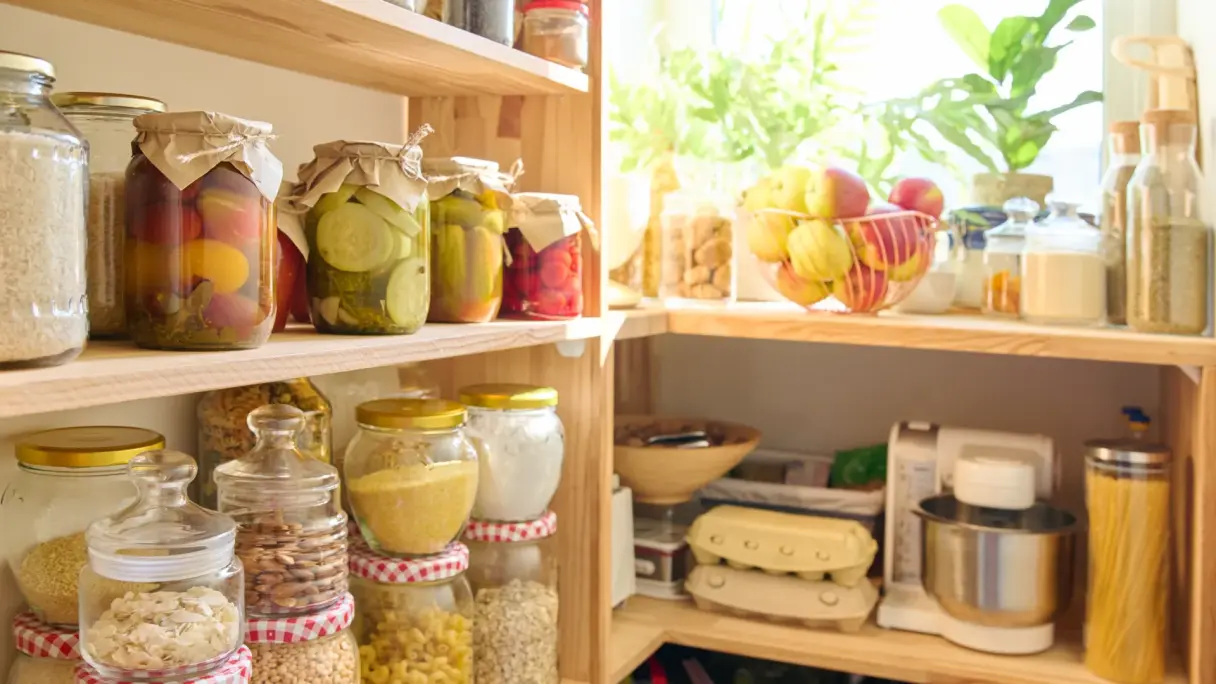
A sensible emergency supply includes non-perishable staple foods, sources of protein, fats, and fruit and vegetables to cover a person’s energy requirements for around ten days.
This primarily includes carbohydrate-rich products that can be used in versatile ways and will keep you full for a long time.
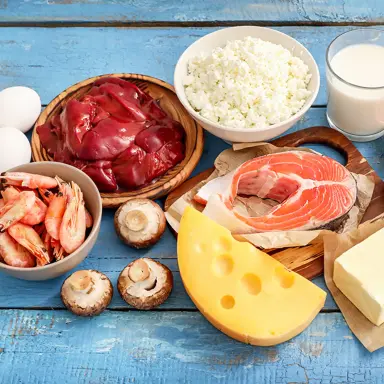
Suitable choices for supplying protein are pulses, tinned meat and fish, and long-life dairy products. Fats such as rapeseed oil, olive oil, and nuts provide extra energy and support the uptake of fat-soluble vitamins.
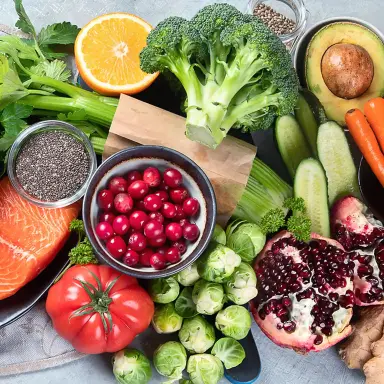
Tinned fruit and vegetables along with dried fruit will provide vitamins, minerals, and fibre, and add color to your plate.
It’s especially important to have enough drinking water: you should have around two litres per person per day, along with water for cooking.
Which foods should be on the crisis shopping list?
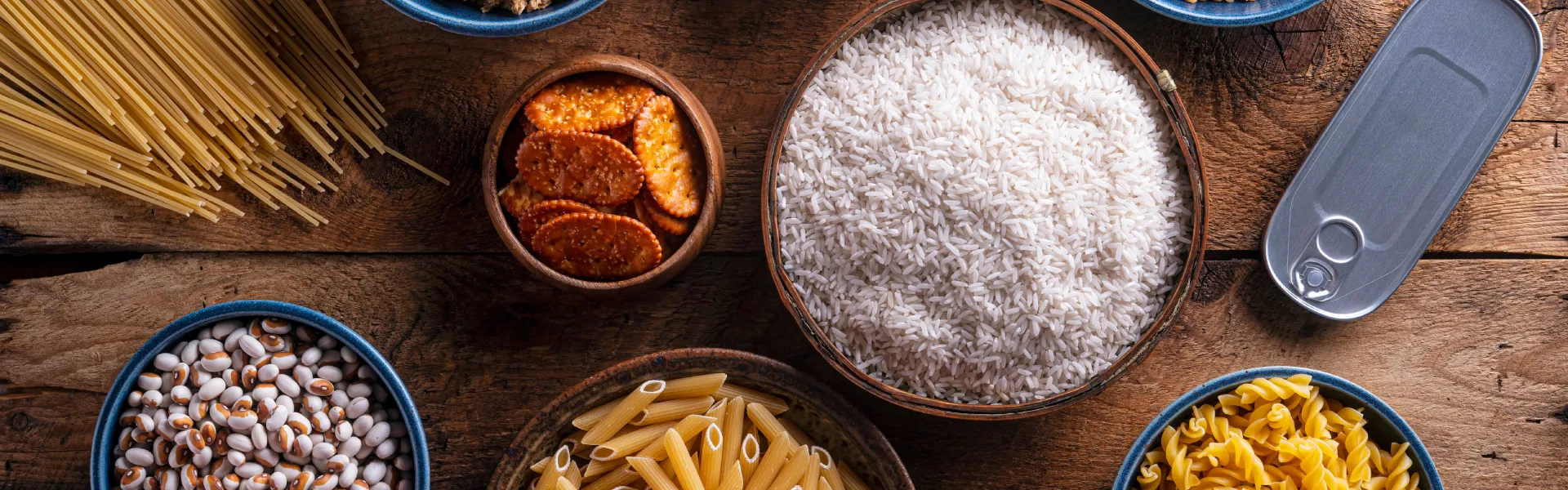
- Cereal products:Rice (ideally parboiled), pasta, couscous,bulgur, oat flakes, flour, crispbread, and rusks
- Potato products: Potato flakes or mashed potato powder, and storable potatoes
These foods will last for a long time, are easy to store, and will provide most of the energy a person needs each day.
- Pulses:Lentils,beans, and chickpeas (dried or in tins)
- Tinned products: Tinned meat and sausages, tinned fish such as tuna,mackerel, and herring
- Other sources of protein: Milk powder, UHT milk, whole egg powder, and vegetarian spreads
Protein is important for maintaining muscles, the immune system, and a long-lasting feeling of fullness.
- Vegetable oils: such as rapeseed oil and olive oil
- Nuts and seeds: for example, walnuts,peanuts, sunflower seeds, and chia seeds
Fats have a high energy density and help the body absorb fat-soluble vitamins.
- Tinned vegetables: for example, peas, beans, corn,carrots,red cabbage, and sauerkraut
- Tinned fruit and dried fruit: such as pineapple, peaches, berries, raisins, and dried apple rings
Important note when it comes to tins: corroded tins can release increased amounts of tin into the food. Opened tins should therefore be transferred into jars or plastic containers and stored in a cool place. Water-soluble vitamins and minerals will transfer into liquid, so make sure you also use the juice from the tin if at all possible. Heat-sensitive vitamins such as vitamin C may be partially lost when food is tinned, but they can be well compensated for by selecting a variety. In the case of tinned fruit, it’s worth looking at the sugar content.
- Ready meals in tins: Stews, soups, and ravioli that can be warmed up quickly or sometimes even eaten cold
- Snacks and sweets: Cereal bars, chocolate, biscuits, honey, and jam
Foods like these are helpful when you have limited cooking options, and can lift the mood a little bit in stressful situations.
- Drinking water: in bottles or canisters: the most important item in any emergency supply
- Other drinks: long-life juices, tea, and coffee
Water is just as important for a crisis as solid food because it’s needed for drinking, cooking, and sometimes hygiene.
Specific guideline amounts for an emergency supply per person (for approx. 10 days)
| Groceries | Guideline amount |
| Drinking water | ~ 20 litres + extra water for cooking |
| Long-life drinks | ~ 5 litres of juices or tea |
| Rice, pasta, oat flakes | ~ 1.5–2 kg in total |
| Crispbread or rusks | ~ 500–700 g |
| Mashed potato powder / potato flakes | ~ 500 g–1 kg |
| Tinned vegetables | ~ 4–6 tins |
| Pulses | ~ 500–700 g dried or 4 tins |
| Tinned meat and fish | ~ 4–6 tins |
| UHT milk or milk powder | ~ 2 litres of UHT milk or 500 g of milk powder |
| Vegetable oil / margarine / high-fat spreads | ~ 0.5–1 litre of oil plus 250–500 g of fat |
| Nuts and seeds | ~ 250–300 g |
| Tinned fruit / dried fruit | ~ 3–4 tins or around 300 g of dried fruit |
| Snacks and sweets | ~ 200–300 g |
How an emergency supply and enjoyment boost your sense of well-being

An emergency supply and enjoyment are not mutually exclusive. Tasty, familiar food can reduce stress, promote emotional stability, and boost your sense of well-being in crisis situations.
In emergency situations in particular, food does more than just keep you alive. Tasty food will activate the reward system in the brain and trigger dopamine-mediated positive feelings that can mitigate acute stress reactions.
Eating habits often change during crises: some people lose their appetite, others reach for tasty, energy-rich foods. This means that eating becomes a strategy for regulating emotions. Little moments of enjoyment, such as a familiar soup, a favourite chocolate bar, or a cup of tea, will break spirals of stress, create brief interludes of normality, and help develop psychological resilience.
Shared meals also enhance people’s sense of belonging and structure, and help bring families or neighbours together.
How to store your emergency supply correctly
An emergency supply should still be reliable even when no power is available.
According to storage recommendations, lots of non-perishable foods like rice, pasta, flour, pulses, and nuts and seeds don’t require refrigeration and should instead be stored in a cool, dark, and dry place, ideally in a cool pantry or cellar at around 16 °C.
Tinned food can also be stored for a long time without refrigeration; but once they’re opened, any leftover food should always be transferred to a clean jar or plastic container as open tins may increase contamination from tin.
Frozen products are less suitable for an emergency supply as they can spoil quickly if there’s a power outage.
This text has been machine translated from English.