Peas – the nutritional benefits of this legume
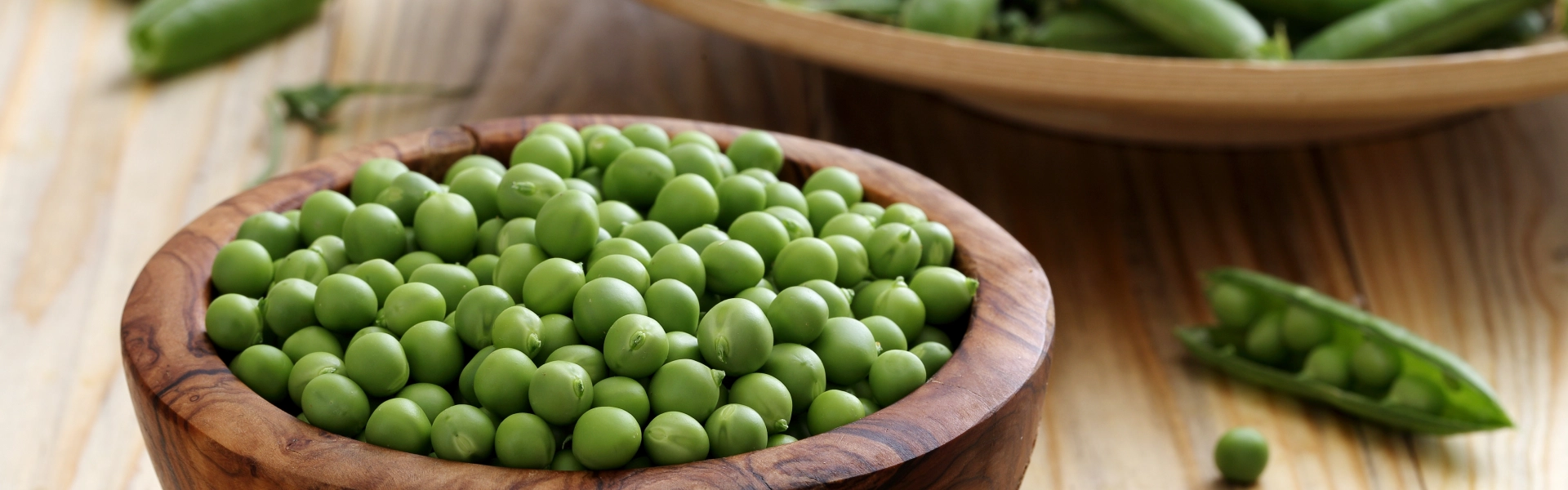
Crisp, green and underrated – peas are not just a side dish thanks to their excellent nutritional values. Whether fresh, frozen or dried: these small legumes impress with their remarkable nutritional profile and provide plant-based protein, valuable vitamins, minerals and fiber. But not all peas are the same – the taste varies depending on the variety and how they are processed. We take a closer look at the core values of these round powerhouses and explain why they should not be missing from a balanced diet.
Storage time*
| BioFresh Fruit & Vegetable safe just above 0 °C with high humidity | 14 days |
| EasyFresh safe 7 °C with air regulation plate | 7 days |
| Refrigerator compartment 7 °C | 6 days |
| Freezer compartment -18 °C | 15 months |
The key points
- There are garden peas, split peas, marrowfat peas and mangetout – each variety differs in taste, consistency and how it is eaten.
- Peas provide plant protein, fiber and important B vitamins.
- Look for plump, green pods. Use the peas when they are as fresh as possible or freeze them immediately to preserve their flavor and nutrients.
- Frozen peas retain many vitamins thanks to flash freezing. Canned peas, on the other hand, often contain sugar, salt and flavor enhancers.
Peas: nutritional values and taste at a glance
Like beans and lentils, peas are legumes. They themselves can be further divided into different types:
Only the pea kernel can be eaten from garden peas and split peas; it has a smooth and round appearance. Carbohydrate is present in the form of starch. This is why garden peas and split peas taste slightly floury.
With marrowfat peas, only the inner grain can be eaten, which appears more or less wrinkled. Carbohydrate is found here in the form of sugar, which is responsible for the sweet taste.
Mangetout, on the other hand, can be divided into snow peas with thin, flat pods and sugar snap peas with round, thick pods. Mangetout can be eaten whole because they do not have an inedible parchment layer on the inside of the pod. They have poorly developed grains and a high sugar content.
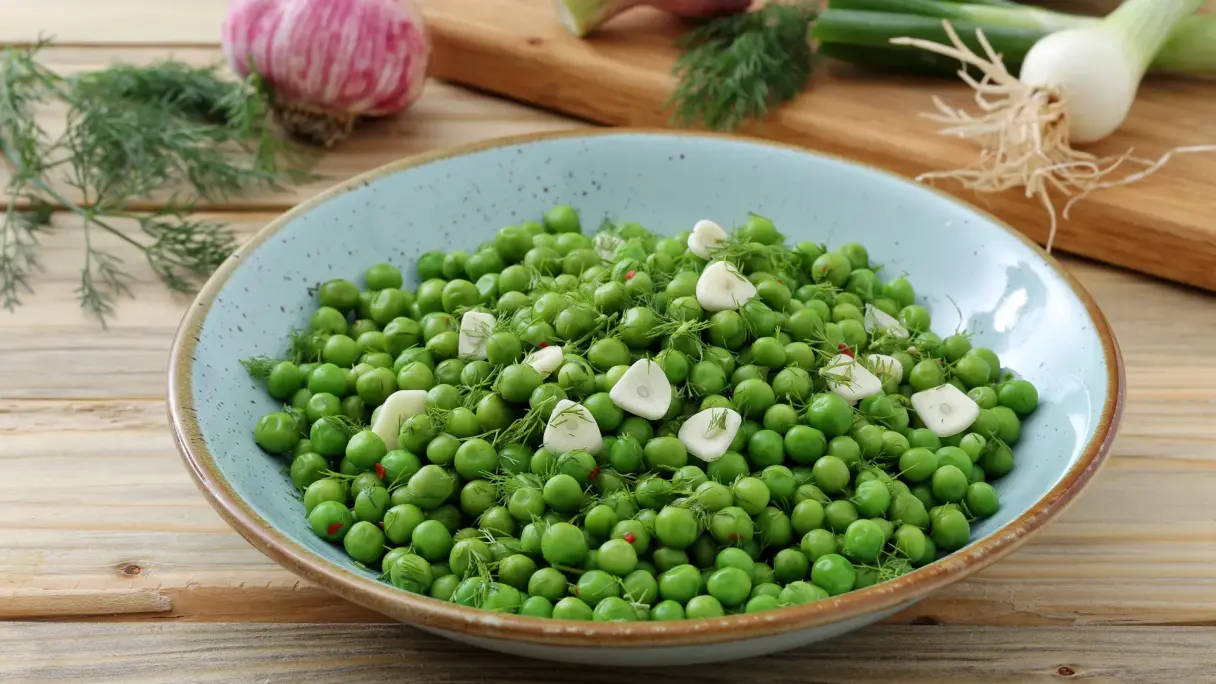
Peas: packed with nutrients, filling and delicious when stored correctly
Peas contain many vitamins and are veritable nutrient powerhouses. However, they vary significantly in their composition depending on the variety. Dried garden peas and split peas are high in protein (approx. 20 g), starch and contain around 290 calories per 100 g. Fresh marrowfat peas provide significantly less energy at around 81 calories, but contain more natural sugar, which explains their sweet taste. Sugar snap peas are particularly low in calories, with only 42–50 calories per 100 g, but still provide valuable fiber and around 4 g of sugar. All varieties are extremely low in fat and perfect for a healthy, balanced diet.
Peas continue to ripen during storage because they are connected to the pods – from which they obtain their nutrients – by a kind of umbilical cord. During this process, the sugar that determines the taste is converted into starch, resulting in a floury and bitter taste. Peas should be left in their pods until ready to use.
*All specifications given are to be considered as guideline values, and depend in each case on the type of food and on the proper storage without interruption of the cold chain from harvest/production through to the Liebherr appliance. Should food products have information about minimum shelf life, the date on the packaging always applies.