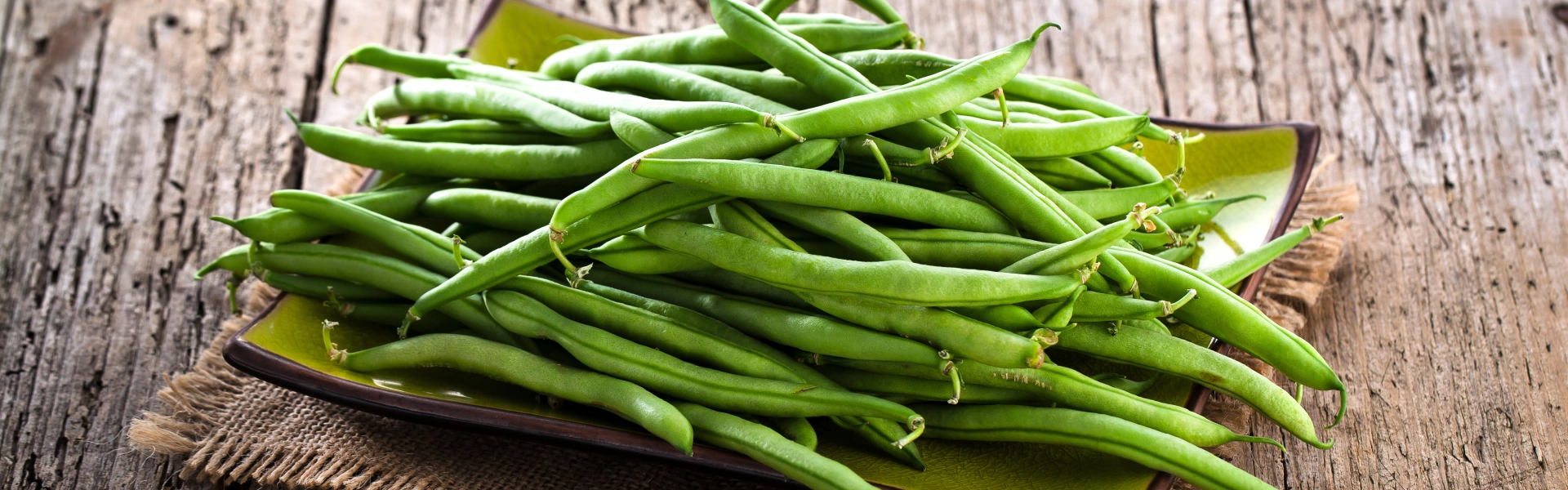
Beans: what nutritional values do legumes contain?
They have been part of a healthy diet since forever and have been enjoying a renaissance in recent years: beans, with all their nutritional benefits. Because there is much more to these green pods than just a boring bean stew. Find out why it’s worth taking a closer look at beans and how to prepare them safely and deliciously here.
Storage time*
| BioFresh Fruit & Vegetable safe just above 0 °C with high humidity | 11 days |
| EasyFresh safe 7 °C with air regulation plate | 6 days |
| Refrigerator compartment 7 °C | 5 days |
| Freezer compartment -18 °C | 15 months |
The key points
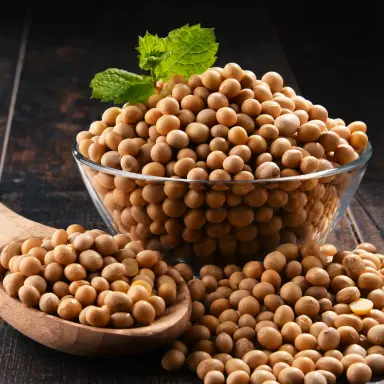
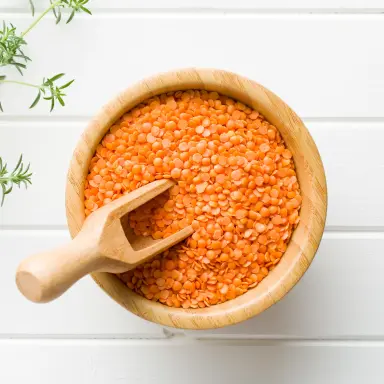
- Diversity of varieties: from green beans to soybeans – each variety has its own unique flavor and uses.
- Nutrients: beans provide protein, fiber, vitamins and secondary plant substances.
- Important: raw beans contain phasin and are harmful to health.
- Tip: savory or dried beans reduce flatulence.
Beans: nutritional values and taste at a glance
Due to their reputation as a good supplier of energy and protein, pulses and beans in particular are very popular. They have justly earned this reputation, because beans are a true source of strength. They have a balanced ratio of protein, carbohydrates, fiber, vitamins and minerals, making them extremely nutritious: depending on the variety, beans provide around 80–90 calories, 6–9 grams of protein, around 14 grams of carbohydrates, hardly any fat and plenty of fiber and B vitamins per 100 grams. This makes them particularly attractive for a balanced, plant-based diet. The green pods also have an antimicrobial effect. They help regulate intestinal function and are also good for constipation due to their high fiber content. What’s more, they lower cholesterol and blood sugar levels. They contain cancer-inhibiting secondary plant substances such as flavonoids and saponins. Another special feature is that beans are healthy for both humans and the soil. This is because the roots of leguminous plants can enter into a symbiosis with bacteria that bind nitrogen from the air, thus enriching the soil. This saves fertilizer.
Depending on the variety, beans taste mildly nutty, strong or slightly sweet – their consistency ranges from tender to floury. However, the high fiber content does not only have advantages: sensitive individuals may experience flatulence after consumption. This is due to indigestible plant components that are fermented in the intestine. Beans become more digestible by adding summer savory or by eating dried beans that have been soaked.
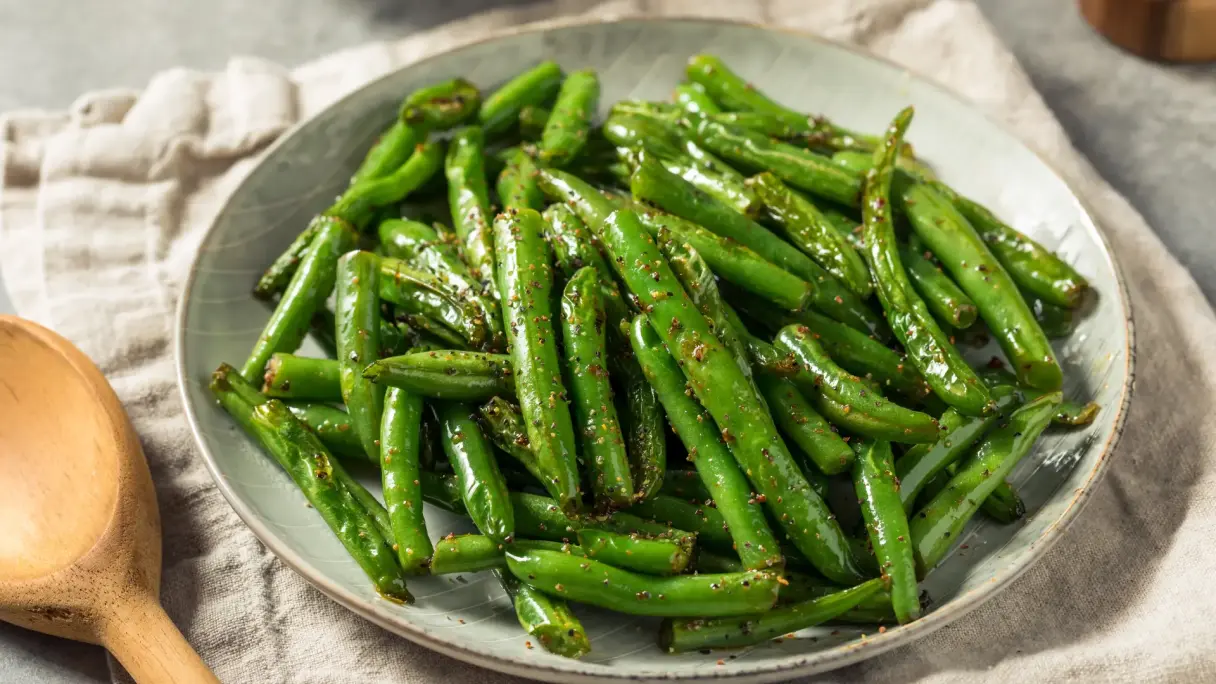
Beans: outstanding nutritional values and a treat when prepared correctly
Never eat beans raw! Beans are poisonous when raw, as they are actually classified as poisonous plants. The seeds and pods of the garden bean contain phasin. This protein compound causes red blood cells to stick together and thus inhibits the transport of oxygen in the blood. Raw consumption may cause colicky pain, vomiting and diarrhoea. In extreme cases, the poisoning can even be fatal. Furthermore, prussic acid is found in some bean varieties, such as Lima and black gram. As this is released during soaking and cooking, the soaking and cooking water should always be poured away for these two types of beans.
If you cook the beans thoroughly, however, there is no danger of poisoning. Beans are steamed, braised or cooked in salted water. But not too long, because they should not become soggy. The toxic proteins are then destroyed when the beans are heated.
Some types of beans must be soaked to make them edible. This is especially true for dried beans. The beans must be placed in cold standing water and sorted. Bad kernels float on top and can be easily fished out. Most seeds have to soak for twelve hours, which is most easily done overnight. The beans are then cooked for up to two hours, depending on the variety.
By the way, you need not be afraid of warming up bean dishes. Old kitchen wisdom warns against this, but this is only partly true. In those days, there were fewer good possibilities of cooling down the dishes quickly after preparation. This is no longer the case. As long as you cool your dishes quickly after cooking in a refrigerator, you can eat the food without hesitation on the following days.
*All specifications given are to be considered as guideline values, and depend in each case on the type of food and on the proper storage without interruption of the cold chain from harvest/production through to the Liebherr appliance. Should food products have information about minimum shelf life, the date on the packaging always applies.