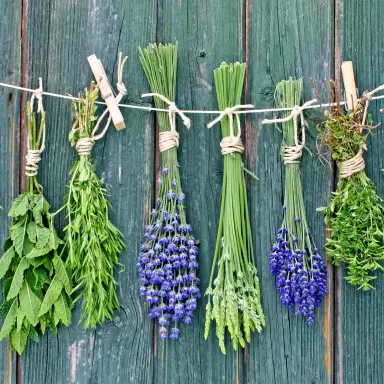
Preserving – rediscovering a trend
Salting, drying, souring, smoking and candying are just some of the many preserving methods which are already thousands of years old. People have always had to make food keep so they have enough to last them. However, with industrially produced tinned foods now being available, these methods no longer seem hugely relevant. Nevertheless, preserving appears to be making a comeback in the home. Find out more about it here.
The key points
- Preserving food is making a comeback: whether by salting, drying, pickling or freezing, old methods are back in vogue and helping to preserve food for longer.
- Proper preservation prevents food waste and supports a resource-saving lifestyle.
- Wide range of methods: chemical, organic and physical processes offer the right preservation solution for almost every type of food.
- Enjoy regional cuisine all year round: those who buy or harvest in summer can also enjoy fresh supplies from the region in winter by preserving them.
Preserving food naturally – a long tradition
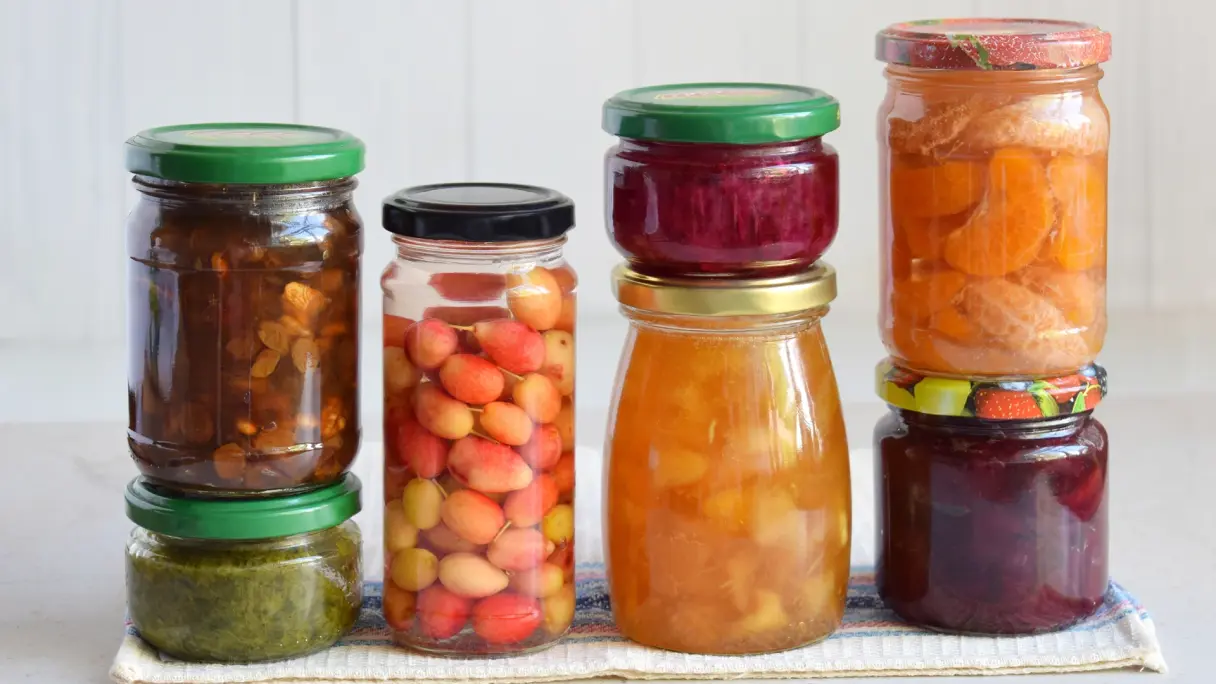
The preserving of food has a long and interesting history. Very early on, people tried to ensure they were not dependent on their daily search for food. In order that food could be consumed over a longer period, that the flavor was retained and that the vitamins and nutrients were not lost, people tried out different methods and in so doing took an important cultural step forward for the population.
Even the Egyptians were using vinegar and honey for this purpose and the Romans used processes which we are still very familiar with today. Meat and fish for example were smoked or salted and fruit was desiccated and dried. With the onset of industrialisation, methods such as electrically operated canning, refrigeration and freezing also arrived.
Preserving food: a positive contribution for the environment
People who like to have a healthy and varied diet purchase lots of fresh fruit and vegetables and also dairy and meat products. However, we generally don't always manage to use up the food we have purchased in time. A glance in the refrigerator is enough to see that storing fresh fruit and vegetables is difficult. Every year 1.3 billion tonnes of edible food worldwide goes to waste. Proper preservation prevents food waste and is therefore becoming increasingly important as part of a sustainable lifestyle.
Modern Liebherr appliances make a valuable contribution here: innovative technologies, such as BioFresh and NoFrost, keep food fresher for longer, preserve nutrients and significantly delayspoilage. This not only allows leftovers to be used more effectively, but also enables the targeted storage of food.
Consumers are also increasingly focused on purchasing regionally and seasonally. While in the summer your garden at home, as well as the local weekly markets, are bursting with different varieties of fruit and vegetables, in the winter everything is a little sparser. So those still wishing to enjoy their own regional food at the colder times of year should turn to tried-and-tested preserving methods. An additional advantage: another advantage is that you know exactly what it contains which means you can guarantee the flavor will be authentic.
How to preserve food: the methods
| Preserving method | Illustrative process | Mode of action | Suitable foods | Special advantages |
|---|---|---|---|---|
| Chemical | Salting | Removes moisture, inhibits the growth of microorganisms | Fish, meat, cheese | Long shelf life, easy to apply |
| Smoking | Removes moisture, additional preservation by substances in smoke | Fish, meat, cheese, tofu | Rich aroma, long shelf life | |
| Souring (vinegar) | Lowers pH value, prevents bacterial growth | Mushrooms, vegetables | Spicy-sour taste, easy storage | |
| Sugaring | Removes moisture, inhibits microorganisms | Fruit | Sweet taste, ideal for jam and compote | |
| Preserving in alcohol | Alcohol acts as a preservative by inhibiting the growth of germs | Fruit | Ideal for desserts or aromatic specialities | |
| Organic | Lactic acid fermentation | Lactic acid bacteria convert sugar into lactic acid, which acts as a preservative | Vegetables (e.g. cabbage), fermented drinks | Natural process, supports intestinal flora, no energy expenditure |
| Physical | Boiling down | Heat kills microorganisms, vacuum bottling prevents new infestation | Fruit, vegetables, sauces | Long shelf life, intense flavor |
| Refrigerating | Slows down metabolic processes of microorganisms | Fresh produce of all kinds | Quick and easy, ideal for short-term storage | |
| Freezing | Stops microorganisms through extreme cold | Almost all food, e.g. mushrooms | Particularly protective in freezers with NoFrost/SmartFrost technology |
This might also interest you
Freezing food – how to do it correctly!
Freezing food made easy: find out the correct way to freeze your food, preserve it and save money and resources in the process!
Tips to prevent food waste – too good for the bin!
Discover three tips to prevent food waste and save in the long run. Read how you can budget smart and conserve resources!