Mackerel – the healthy fish favorite
The saltwater fish, mackerel, contains a wide range of important nutrients. Here you can find out interesting facts about mackerel and learn exactly what it is that makes this fish so important for your diet. To make the most out of this fish, this article also includes recipes that you can try in your own kitchen.
Storage time*
| BioFresh Fish & Seafood safe -2 °C with low humidity | 4 days |
| Refrigerator compartment 7 °C | 1 day |
| Freezer compartment -18 °C | 2 months |
The key points
- Rich in nutrients: high content of omega-3 fatty acids, vitamins and minerals.
- Health benefits: supports the cardiovascular and immune systems.
- Preparation: versatile – fresh, smoked or canned.
- Sustainability: look for the MSC label for environmentally friendly fishing.
The origin of mackerel: a glance at its habitat
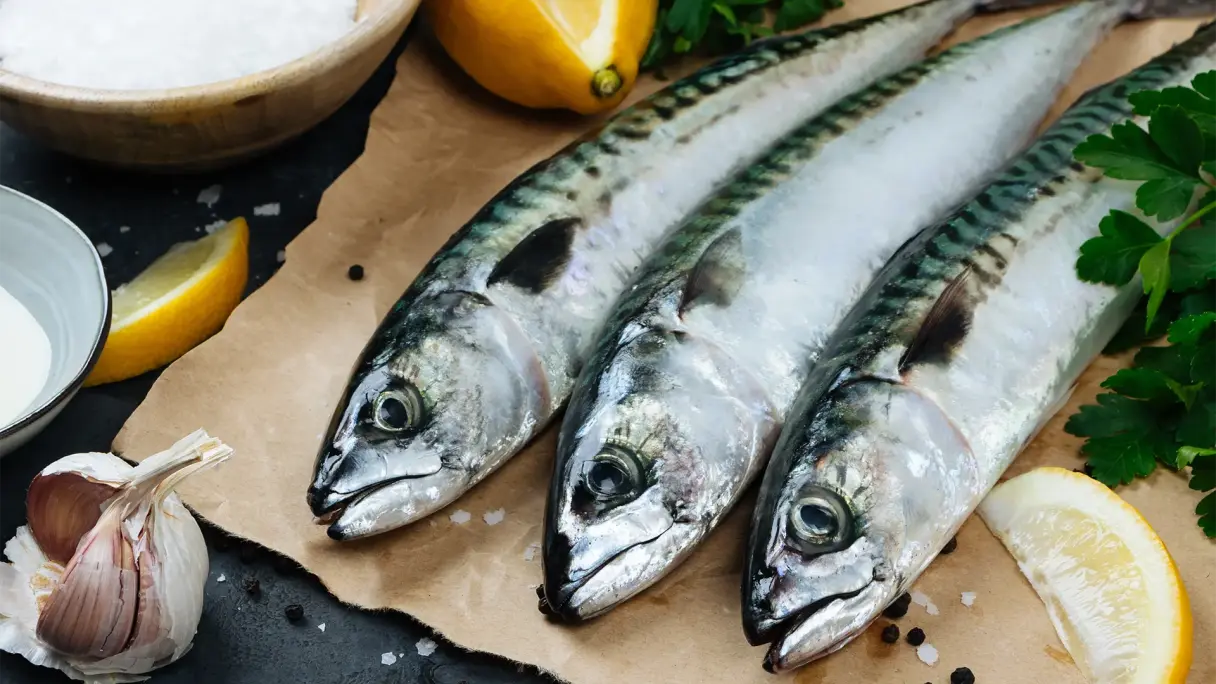
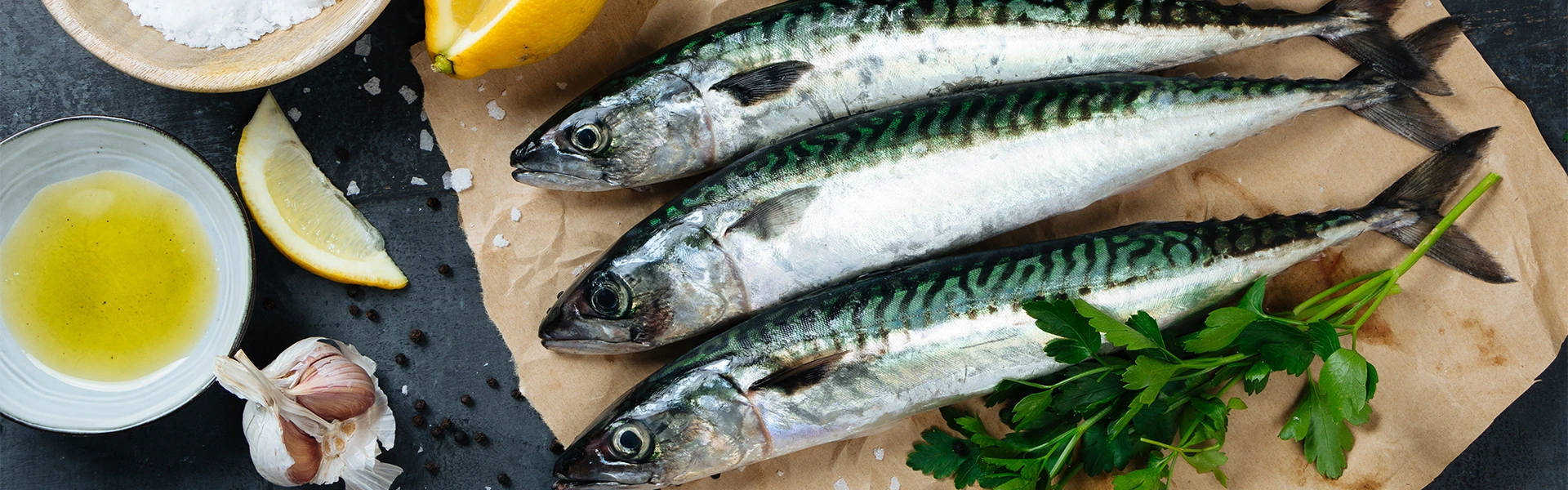
Mackerel (Scomber scombrus) is a saltwater fish that occurs in large shoals in the oceans. It is mainly found along the European Atlantic coast, in the North Sea and in the Mediterranean. Mackerel are fast swimmers and can cover long distances. There are over 50 species of mackerel, characterized by their athletic nature and high fat content. Unfortunately, mackerel stocks in the North-East Atlantic have been declining steadily since 2015 and are now at critical levels.
Sustainable fishing is crucial to protecting stocks. When buying mackerel, look for the MSC seal, which indicates environmentally friendly fishing methods.
Mackerel: nutritional values and calories
Mackerel is a fatty fish that is rich in valuable nutrients. It contains high amounts of omega-3 fatty acids, which reduce inflammation in the body and lower the risk of heart disease. The fat content can vary depending on the season, ranging from around 3% in spring to 35% in winter. These fluctuations are due to the biological maturation cycle of the animals.
Mackerel is also an excellent source of vitamin A and vitamin D, as well as minerals such as iodine and selenium. Iodine is required by our thyroid gland so that it can carry out important metabolic tasks. Selenium supports the immune system. A further plus is that, mackerel has a high potassium content but low sodium content.
A serving of mackerel not only provides valuable protein, but also essential fatty acids that are important for a balanced diet. The fatty acid content in mackerel is even higher than in the equally rich herring.
Storing and preparing mackerel correctly
To preserve the freshness of the mackerel, it should ideally be stored in the BioFresh Fish & Seafood safe at -2 °C and low humidity, where it will keep for up to four days. For longer storage, mackerel can be frozen at -18 °C, where it will remain fresh for up to two months. Before freezing, remove any entrails and scales.
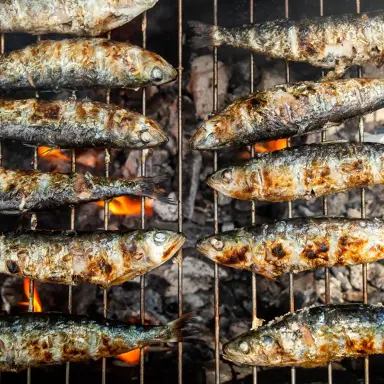
This tasty fish has firm, fibrous flesh. The higher the fat content, the juicier the mackerel tastes. When preparing mackerel, it is important to gut and clean it thoroughly and ensure that it is cooked thoroughly to kill any parasites. It can be grilled, smoked or used in various dishes.
Here are two simple recipes to help you incorporate mackerel into your cooking.
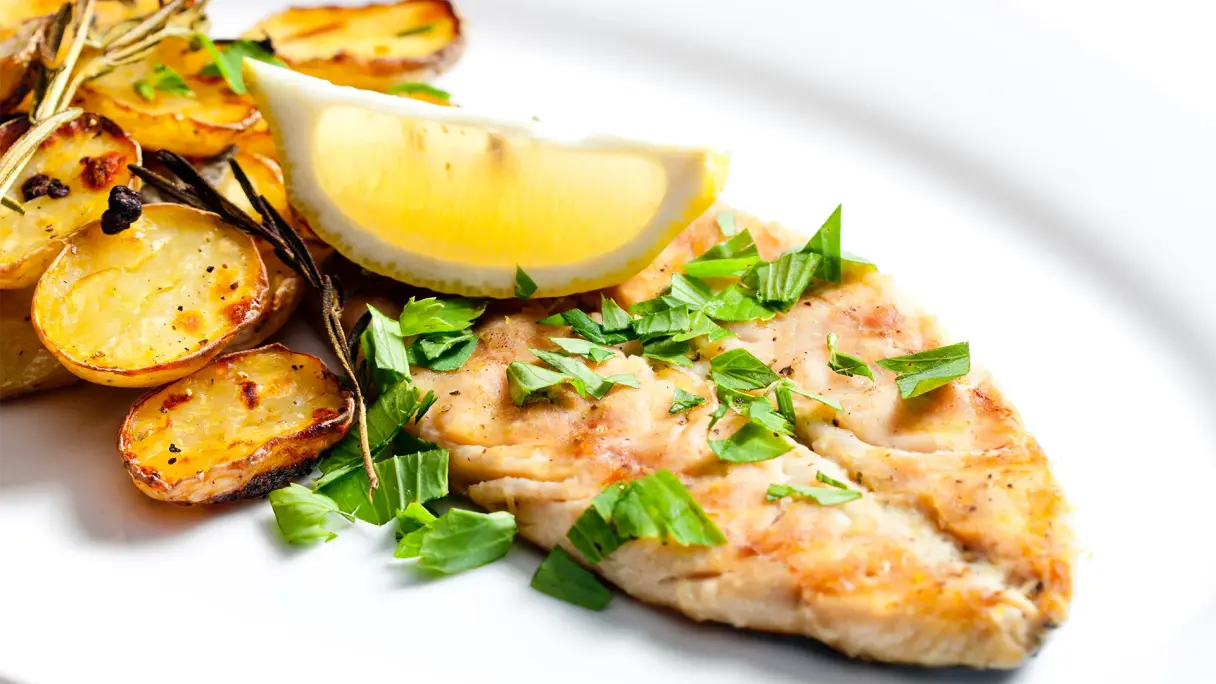
Ingredients:
- 4 smoked mackerel fillets without skin
- 150 g cream cheese
- 1 tbsp horseradish
- Lemon juice
- Salt
- Freshly ground pepper
Smoked mackerel paté (serves four)
Preparation:
1. Firstly, roughly chop the fillets.
2. Then add cream cheese and horseradish and purée everything to a smooth mixture.
3. Season with salt, pepper and lemon juice and enjoy.
Ingredients:
- 4 mackerels without head
- 2 large courgettes
- 3 bell pepper
- 3 cloves of garlic
- 1 glass of olives
- Some sprigs of fresh rosemary
- 1 bunch of fresh parsley
- 2 tbsp of olive oil
- 250 ml vegetable broth
- 75 ml of white wine
- Red pesto
- Salt
- Pepper
- 1 baguette
Courgette and peppers with mackerel from the oven (serves four)
Preparation:
1. Wash mackerels thoroughly, dab dry and coat the inside with pesto.
2. Wash the fresh vegetables and cut into bite-sized cubes.
3. Drain the olives.
4. Finely chop the garlic and wash and finely chop the fresh spices.
5. Grease a baking dish with oil.
6. Place the diced vegetables and olives in the baking dish.
7. Place the mackerels on the vegetables and sprinkle with garlic, salt, pepper and fresh herbs.
8. Pour in the vegetable stock and white wine.
9. Cook in a preheated oven at 200°C (fan oven 180°C) for about 20 minutes.
10. Serve with baguette.
Bon appétit!
*All specifications given are to be considered as guideline values, and depend in each case on the type of food and on the proper storage without interruption of the cold chain from harvest/production through to the Liebherr appliance. Should food products have information about minimum shelf life, the date on the packaging always applies.