Rice – nutritional values, calories and everything you need to know
Rice is one of the world’s most versatile foods and plays a central role in many cuisines. In this article, you’ll learn all about its calories, nutritional values, health aspects as well as tips on how to store and prepare it. We also highlight the differences between rice varieties and the arsenic content in rice. Discover the many possibilities of this grain!
The key points
- Rice is an important source of carbohydrates and contains a lot of starch.
- Brown rice has more nutrients than white rice.
- Rice is gluten-free and suitable for a healthy diet.
- The arsenic content can vary; proper cooking helps to reduce it.
- Store rice in airtight containers in a cool, dry place.
Rice cultivation: from rice plant to food
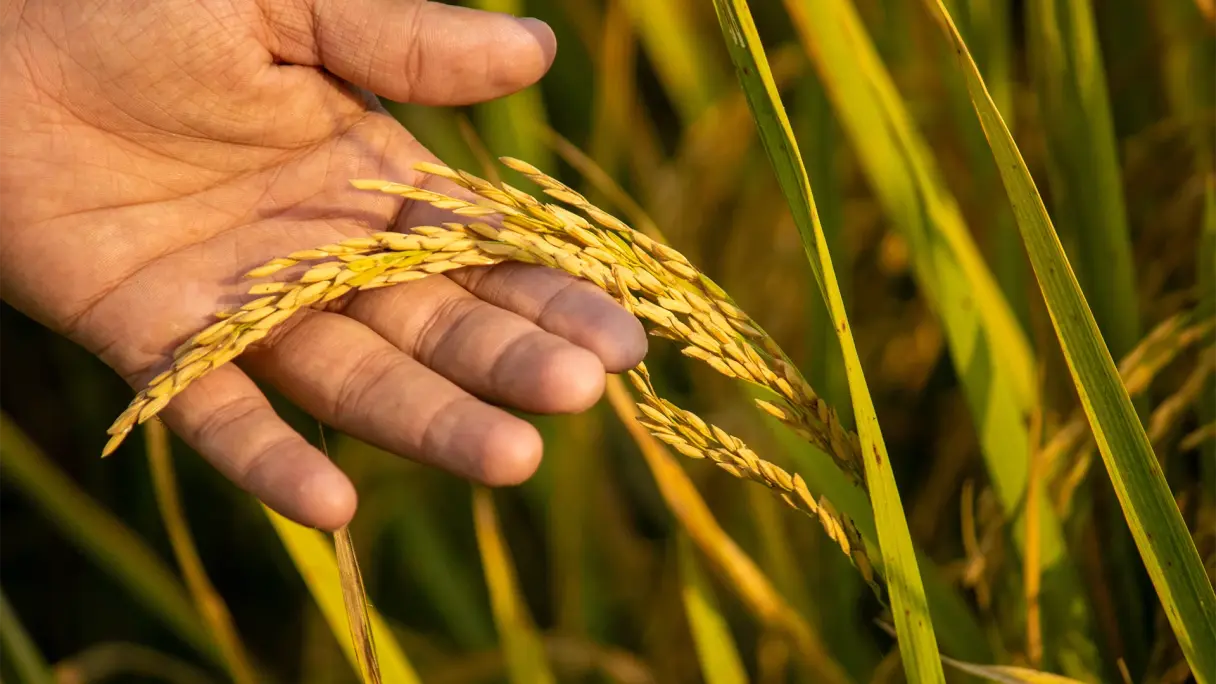
Rice is cultivated in almost all tropical and subtropical regions of the world, with the largest areas under cultivation in countries such as China, India and Bangladesh. China is the largest rice producer, supplying almost 140 million tonnes annually. Cultivation requires specific climatic conditions and a lot of water, which is why rice is often grown in rice paddies that are flooded with water.
Nutritional values of rice: proteins, carbohydrates and more
Rice is particularly rich in starch, containing around 75 g per 100 g. The nutritional values vary depending on the variety: Brown rice contains more fiber, vitamins and minerals than white rice, as the germ and the silver skin are retained in brown rice. Parboiled rice is an appealing alternative because it retains more nutrients than conventional white rice thanks to a special processing method. For example, the vitamin B1 content is seven times higher in natural rice than in white rice.
Rice is also a valuable source of plant-based protein. On average, it contains around 7 g of protein per 100 g, while wild rice provides up to 14 g of protein per 100 g. The complex carbohydrates in rice provide a sustained supply of energy, as they are digested slowly and thus help to maintain a stable blood sugar level. This is particularly beneficial for active people and athletes who depend on a constant supply of energy. To optimize nutrient absorption, it’s advisable to combine rice with other protein-rich foods such as legumes or tofu.
However, be sure to choose the right type of rice, as the glycaemic index can vary. Long-grain rice, for example, has a lower glycaemic index than short-grain rice, making it a better choice for people who want to keep an eye on their blood sugar levels.
Is rice healthy?
Rice is an excellent source of carbohydrates and low in fat, making it a healthy choice for a balanced diet. Brown rice in particular offers many health benefits as it is rich in fiber, which aids digestion. In addition, rice is gluten-free, making it ideal for people with gluten intolerance. However, you should pay attention to the portion size, as rice is high in calories and excessive consumption can lead to weight gain.
Rice varieties – a diverse range to suit every taste
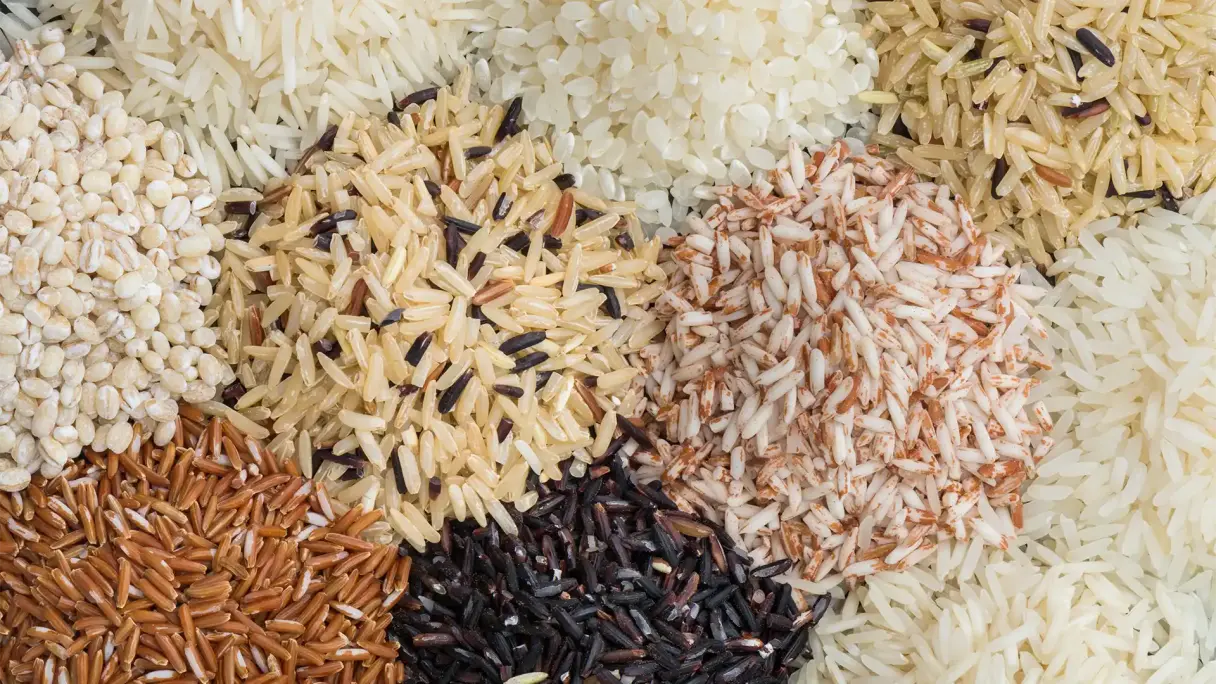
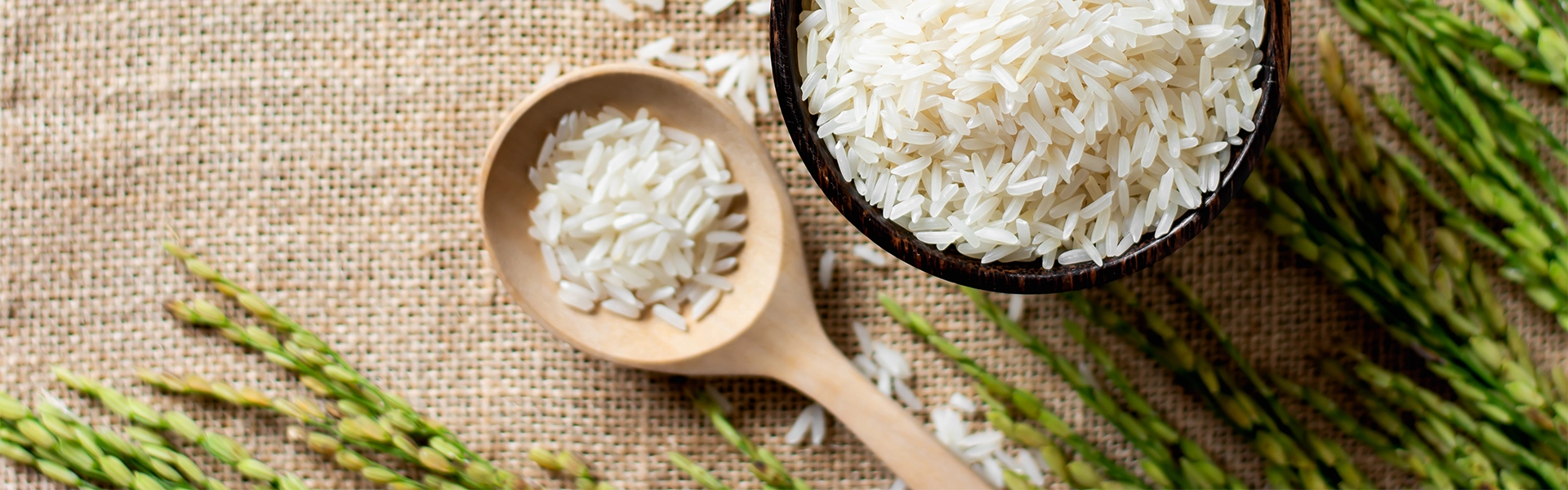
Not all rice is the same. There are over 10,000 different types of rice, which all have a different taste, texture and nutrient content. The main categories are long-grain, medium-grain and short-grain rice. Each variety has its own characteristics and is suitable for different dishes.
Long-grain rice such as basmati or jasmine is known for its loose, grainy consistency. It’s ideal for Asian dishes, salads or as a side dish served with meat and vegetables. To prepare it perfectly, wash it thoroughly before boiling to remove excess starch and prevent the grains from sticking together. A simple ratio of 1 part rice to 2 parts water is ideal. First, boil the rice, then reduce the heat and let it simmer for 10-15 minutes.
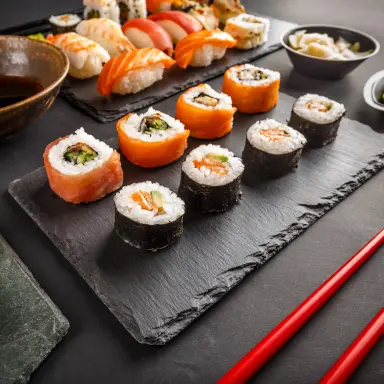
Short-grain rice, also known as sticky rice, is often used in Asian desserts and sushi. This variety has a higher starch content, which gives it a sticky consistency. When you are preparing sushi, it’s important to wash the rice before boiling to remove the outer starch. Use a ratio of 1 part rice to 1.5 parts water and let it swell for a few minutes after boiling.
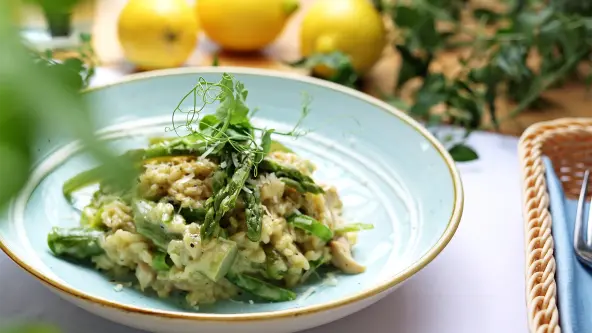
Medium-grain rice is a mixture of the other two varieties and is often used for risotto. This variety requires a slightly different preparation method: Boil the rice in stock to give it extra flavor and stir regularly so that it absorbs the liquid well.
Brown rice, which is considered a whole grain rice, contains more nutrients than white rice because the outer husks and germ are retained. It has a nutty flavor and is rich in fiber, making it a healthy choice. Be sure to boil brown rice for longer, as it requires more water and has a longer cooking time.
Arsenic in rice
An important issue when consuming rice is its arsenic content, a natural element found in soil and water. Arsenic levels can be higher in certain growing regions. To minimize the risk, you’re advised to wash rice thoroughly before boiling and to boil it in plenty of water, which should then be drained off. This can help to reduce the arsenic content.
Storing rice: tips for the best shelf life
Store rice in airtight containers in a cool, dry place to prevent insect infestation. Boiled rice should be stored in therefrigerator and consumed within two days. Make sure you boil the rice until it is al dente before freezing and freeze it in portions in flat containers.