
Fibermaxxing: The nutrition trend all about fiber
Fiber is essential for staying healthy, but many of us don’t consume enough of it. The trend known as fibermaxxing encourages people to maximize their daily fiber intake and deliberately choose fiber-rich foods such as whole-grain products, vegetables, and legumes. But how healthy is this concept really? In this article, you’ll learn what’s behind the trend, why fiber is so important, and how you can easily incorporate more fiber into your diet. Along with the benefits, we’ll also highlight the potential risks and offer practical tips on how to increase your fiber intake in a healthy way as part of a balanced diet.
The key points
- Fibermaxxing: The trend around purposefully increasing fibre intake through natural, fibre-rich foods
- Goal: Consume at least 30 g of fibre each day
- Benefits: Fibre promotes intestinal health, lowers cholesterol, and regulates blood sugar levels
- Risks: In the short term, digestive problems, in the long term, e.g. intestinal blockage
- Focus on whole-grain products, pulses, fruit, vegetables, nuts and seeds
- Gradually increasing intake and staying hydrated is crucial
What is fibermaxxing?

Fibermaxxing is a current nutrition trend on social media. The aim is to consciously increase or maximise the intake of fiber, primarily through increased consumption of natural, fiber-rich foods.
To be specific, fibermaxxing entails meeting the recommended daily amount of at least 30 g of fibre, or even exceeding this amount. The trend focuses attention on fiber and highlights the importance of fiber for the body. Fibermaxxing is part of a series of “maxxing” trends that have become popular online and aim to maximise different lifestyle aspects.
What is fiber? Fiber is a component of plant-based foods which cannot be fully digested by the human body. Fiber travels intact through the small intestine to the large intestine, where it is then either broken down by microorganisms or excreted.
A distinction is made between soluble and insoluble fibre: Soluble fibre, such as pectin and inulin, combines with water to form a gel-like substance that actively supports intestinal flora and serves as fuel for microorganisms. Insoluble fiber, such as cellulose or lignin, interacts less with water and passes largely intact through the intestine. The combination of different types of fiber is essential in a balanced diet.
What are the benefits of a diet rich in fiber?
A fiber-rich diet supports intestinal health, lowers cholesterol, and regulates blood sugar levels, which is why it can be used both for prevention and as an accompanying treatment for different illnesses.
Fiber plays a key role in promoting digestion through stimulating intestinal movement and improving stool consistency, which prevents constipation. Soluble fiber also helps to ensure healthy intestinal flora, as it serves as fuel for microorganisms. These bacteria produce short-chain fatty acids, which perform anti-inflammatory and protective functions. Fiber also promotes the feeling of fullness and therefore supports weight regulation in the long term.
Fibermaxxing – FAQs
In principle, fibermaxxing can have many positive effects due to the increased intake of fiber. The focus on nutritious, plant-based foods also makes the concept sustainable and healthy. However, there are limits to this: Excessive consumption of fiber or switching too quickly often leads to digestive problems, gas, cramps, or constipation. In the long term, a diet that is very high in fiber could even have negative consequences. If large quantities of fiber are consumed over a long period without drinking enough water, this can lead to serious problems such as an intestinal blockage. Furthermore, in large amounts, fiber can combine with some nutrients such as zinc, which can in turn unintentionally result in poorer absorption of these essential substances. Fibermaxxing should therefore be combined with a balanced diet to maximise the benefits and minimise the risks.
According to recommendations from the German Nutrition Society (DGE), adults should consume at least 30 g of fiber each day, while the World Health Organization sets a lower limit of at least 25 g per day.
People with chronic inflammatory bowel diseases such as Crohn’s disease and ulcerative colitis should be especially careful, as high fibre intake can exacerbate their symptoms. The same is true for people with irritable bowel syndrome. It is also recommended that caution be exercised in the case of intestinal stenoses, which could be intensified by the expanding properties of fiber.
Medical advice should be obtained if you experience unexplained digestive problems, such as constipation, diarrhea, and stomach pains, or if you regularly take medication. Some fiber-rich foods could affect the absorption of medicines.
What is the best way to incorporate fiber into your daily diet?
Fiber can be easily integrated into your daily diet. It is essential that intake be increased gradually and that you stay hydrated to avoid digestive problems.
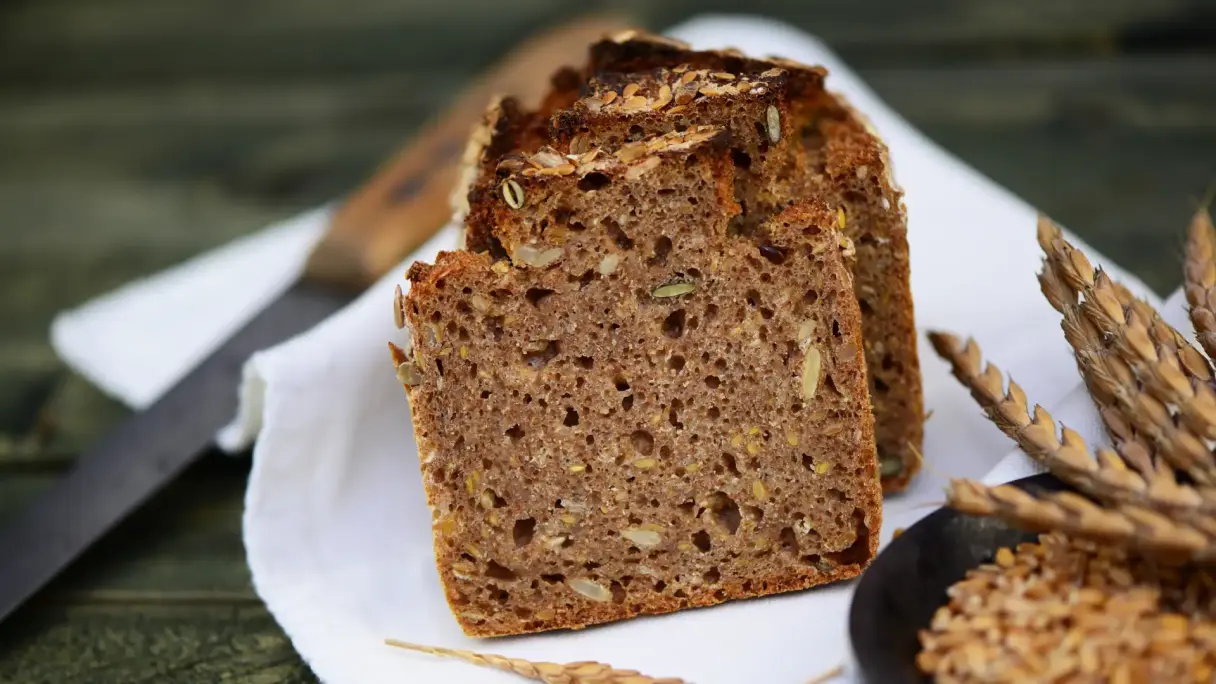
A high-fiber diet can be achieved through small adjustments to your usual eating habits. For example, replacing white rice with whole-grain rice or quinoa, and eating whole-wheat bread instead of white bread. You can also enrich your breakfast with ingredients that are high in fiber, such as oats or flaxseed. Salads can be made to be high in fiber through the addition of pulses such as chickpeas, and whole-grain products and vegetables such as broccoli and carrots can be the focus when in comes to main meals. For those who like to snack between meals, a handful of nuts or dried fruit is a high-fiber option which also provides healthy fats, protein, and nutritious omega-3 fatty acids.
It is important to gradually increase fiber intake, as major changes can lead to issues such as gas and bloating. Furthermore, you should drink a minimum of two liters of water a day, as fiber combines with water and can otherwise lead to constipation.
Which foods are particularly high in fiber?
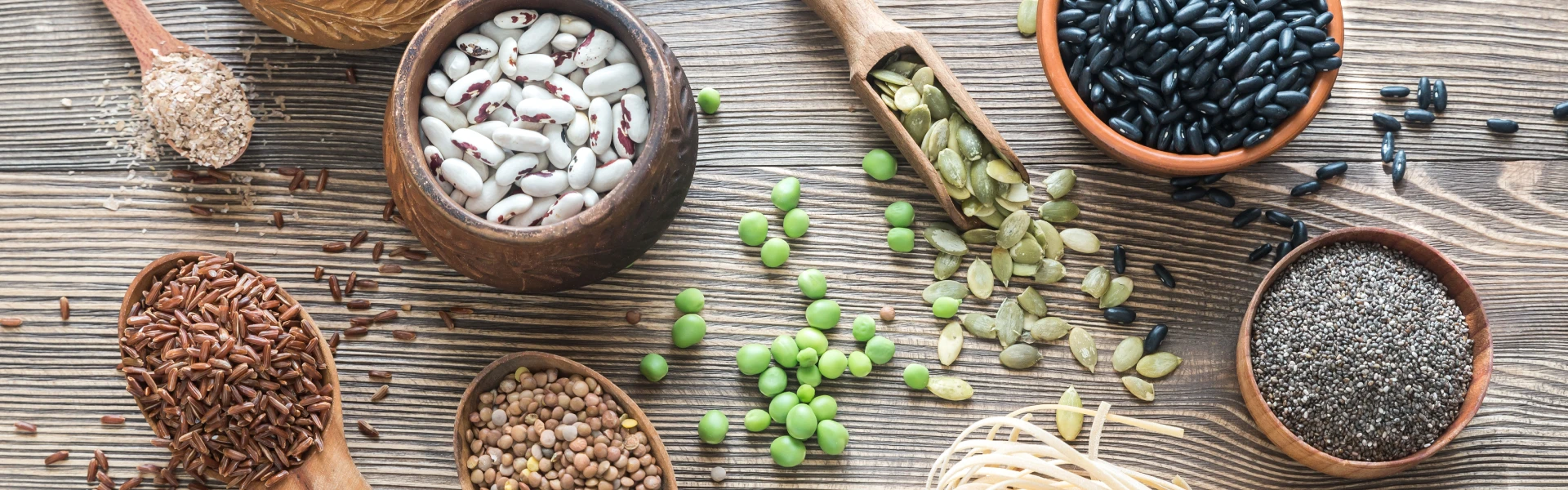
Whole-grain products such as whole-wheat bread, whole-wheat pasta, and oats provide insoluble fiber. Pulses such as lentils,beans, and chickpeas contain a large amount of soluble fiber. Fruit and vegetables, especially berries,apples,carrots, and cabbage, introduce both soluble and insoluble fiber into your diet. And let’s not forget nuts and seeds.
How do you distinguish between natural fiber and post-added isolated fiber?
Natural fiber comes directly from plant-based foods. It is naturally present in the plant in question and provides additional important vitamins, minerals, and secondary phytochemicals that support overall health. Post-added isolated fiber, however, is isolated from the plant sources and often purposefully incorporated as an ingredient in foods or supplements such as powders and tablets.
While natural fiber offers benefits due to its accompanying substances, isolated fiber also has its uses where individual requirements need to be accommodated, for example digestion problems or intolerances to certain foods. It can specifically contribute to strengthening intestinal flora or promoting the feeling of being full for longer.


This text has been machine translated from English.