Broccoli: nutritional values, calories and vitamins of the vegetable
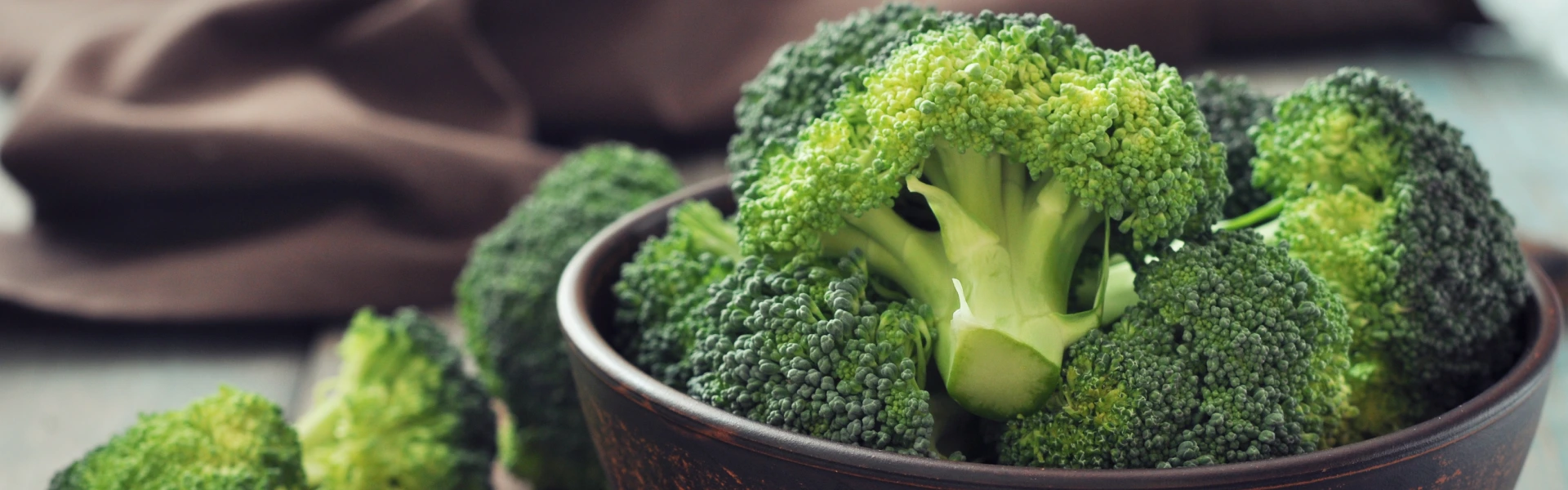
Broccoli is particularly popular in many cuisines. Children, on the other hand, are often less enthusiastic about vegetables. Broccoli impresses with its nutritional values and taste. Cabbage can be incorporated into many dishes and also has numerous health benefits. We reveal what this green vegetable has to offer and the nutritional values of broccoli.
Storage time*
| BioFresh Fruit & Vegetable safe just above 0 °C with high humidity | 13 days |
| EasyFresh safe 7 °C with air regulation plate | 5 days |
| Refrigerator compartment 7 °C | 3 days |
| Freezer compartment -18 °C | 15 months |
The key points
- Broccoli is rich in nutrients: lots of vitamins, minerals and plant substances in just 22 kcal per 100 g.
- Health benefits: broccoli can have detoxifying, antioxidant and anti-inflammatory effects.
- Gentle preparation is key: steam, braise or eat raw to retain as many nutrients as possible.
- Proper storage is important: broccoli stays fresh for three days in the refrigerator compartment at 7 °C. Broccoli stays fresh for up to 13 days in the cool and moist BioFresh safe.
Broccoli – list of contents
What vitamins does broccoli contain?
Broccoli contains vitamins A and C, folic acid and the minerals potassium and calcium. Cabbages are also known for their high content of secondary plant compounds. With just 22 kcal per 100 g, this brassica is ideal for a calorie-conscious diet. With a low calorie density, broccoli provides around 3 g of protein per 100 g.
How can broccoli be prepared in a way that preserves its nutrients?
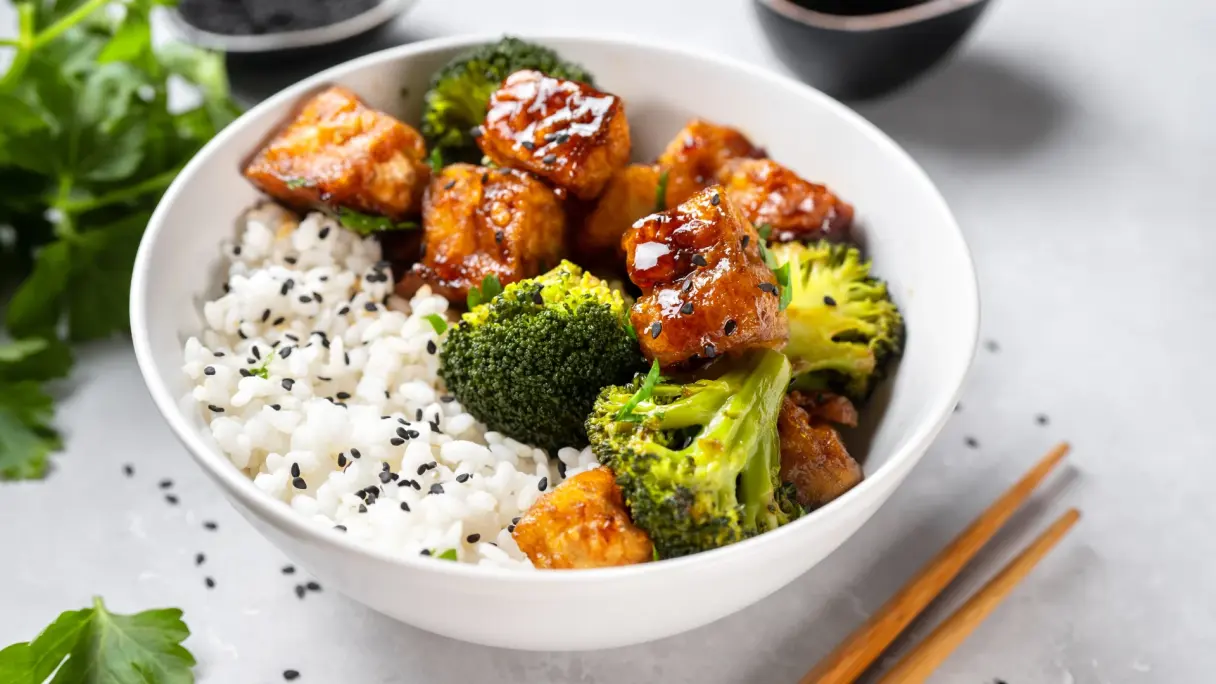
However, to really benefit from the micronutrients and nutritional value of broccoli, it needs to be prepared carefully. There are many suitable cooking methods: Cooking, braising, steaming, frying or baking in the oven. Generally speaking, since minerals and water-soluble vitamins such as vitamin C are lost in the cooking water, it is advisable to prepare the dish with little or no water. The cooking time also determines how many nutrients are retained, so broccoli should only be cooked for as long as necessary. The practical thing about broccoli: it cooks very quickly, can even be enjoyed raw, and all parts of it can be used – even the stalk.
Broccoli thrives best in temperate and cooler climates. The best known varieties are green or blue-green, but white, yellow and purple broccoli are also available.
How healthy is broccoli with its nutritional values?
Broccoli can have many positive effects on health. It can support the body’s own detoxification process by activating certain enzymes that break down harmful substances. Its secondary plant compounds can have antioxidant and anti-inflammatory effects, which can strengthen the immune system and slow down the ageing process. There is also evidence that broccoli has a protective effect on cell health and could therefore reduce the risk of certain types of cancer. Broccoli can also be beneficial for the cardiovascular system, as it can improve vascular function and regulate blood pressure. Regular consumption of broccoli, with its nutritional values, is therefore highly recommended for a balanced diet.
What should you bear in mind when storing broccoli to ensure it stays fresh and nutritious?
As already mentioned, broccoli can have many colors. However, a yellowish-green coloring of green broccoli usually indicates incorrect storage. The originally green cabbage has already started to wilt and has lost many valuable vitamins.
However, the right storage conditions can significantly delay the deterioration of broccoli’s quality and nutritional value. We therefore recommend storing broccoli in a cool place as soon as possible. It is best stored at a temperature just above 0 °C and high humidity, such as in the BioFresh Fruit & Vegetable safe in Liebherr appliances. Broccoli can even be stored in such a compartment for up to 13 days, whereas it only stays fresh for around three days in a normal refrigerator. If you prefer juicy green broccoli with valuable nutrients and vitamins, you should store it properly.
*All specifications given are to be considered as guideline values, and depend in each case on the type of food and on the proper storage without interruption of the cold chain from harvest/production through to the Liebherr appliance. Should food products have information about minimum shelf life, the date on the packaging always applies.