
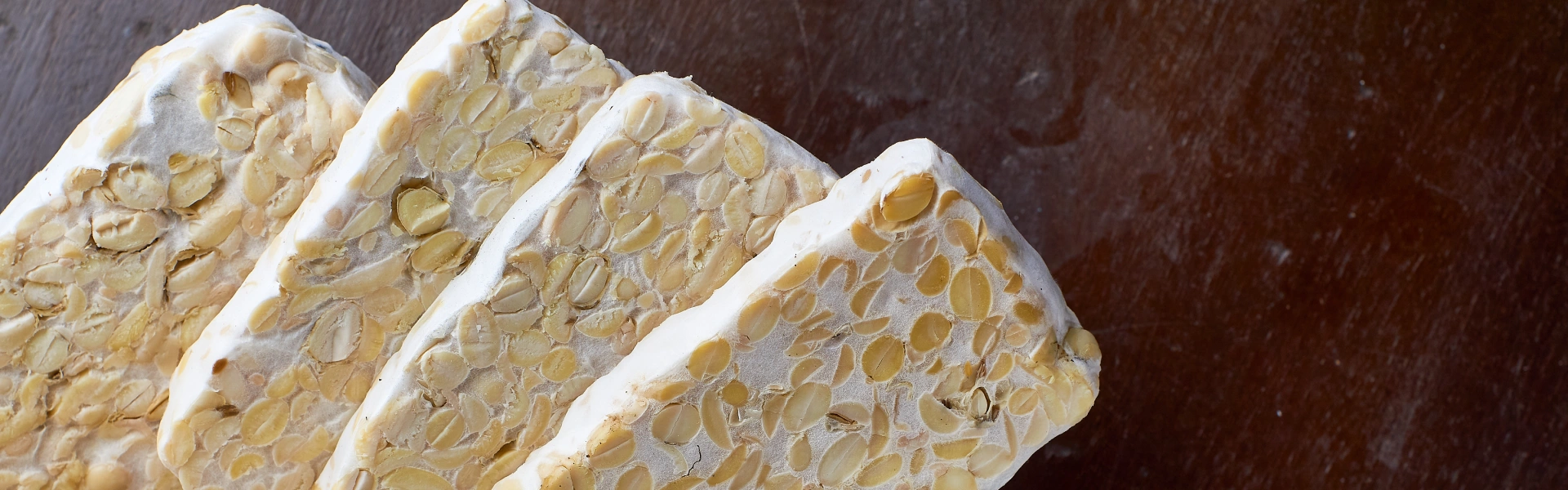
Tempeh - discover the fermented nutritional wonder
Tempeh is a fermented soy product that is rich in protein, minerals and B vitamins. Unlike tofu or seitan, it has a nutty taste, high nutrient density and is easy to digest. Whether as an ingredient in curries, stir-fries or sauces - tempeh can be used in a variety of ways. In this article, you will find out what makes tempeh so special, how it differs from other plant-based protein sources and what simple tips there are for storing it correctly.
The key points
- Fermented soy product: mild, nutty, intestine-friendly
- Rich in protein and nutrients: 19 g protein, B vitamins, minerals
- Difference to tofu and seitan: firmer, tastier, easier to digest
- Storage: cool, dark, airtight; can be frozen
What is tempeh?
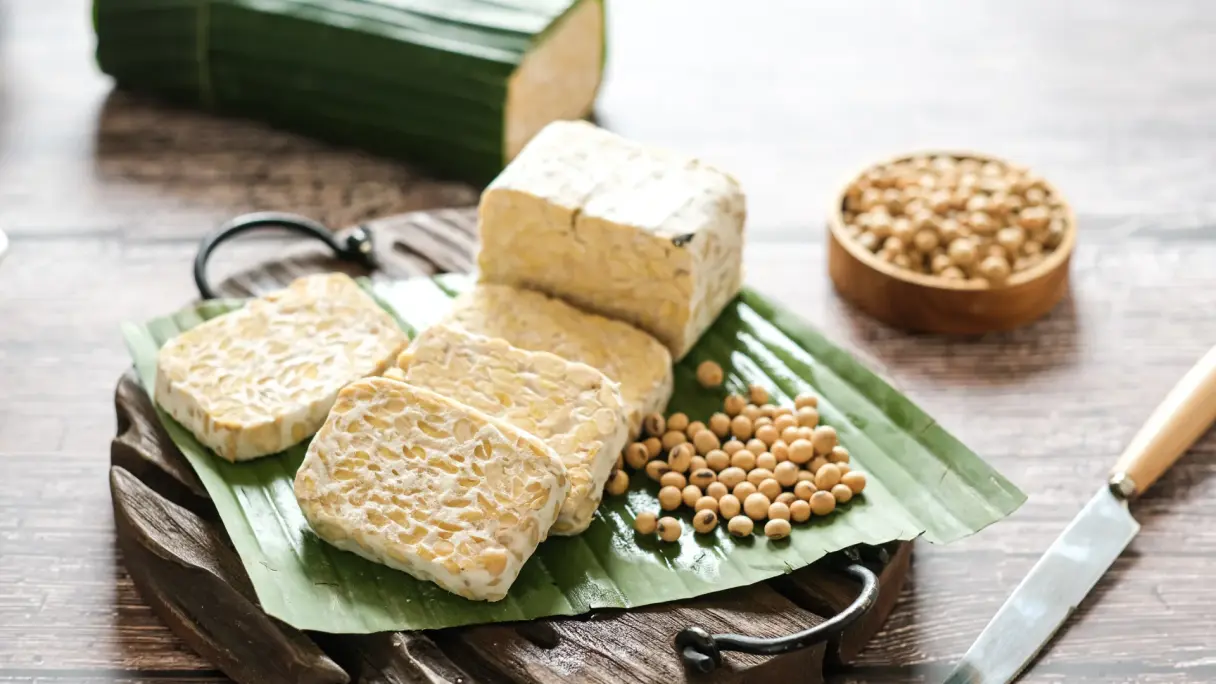
Tempeh is a fermented soy product from Indonesia, made by fermenting whole soybeans. The beans are washed, soaked, cooked and fermented with the help of noble mold, making tempeh easily digestible and wholesome. Its taste is mildly nutty and blends well with various spices and preparations. It can be eaten raw, but develops its full flavor when roasted, grilled or marinated.
How healthy is tempeh and what nutrients does it provide?
With around 19 g of protein per 100 g, tempeh is one of the best sources of plant-based protein. It also provides B vitamins and minerals such as iron, calcium and magnesium. Thanks to this combination, tempeh is a real nutrient package - ideal for a balanced plant-based diet. It is vegan, gluten-free and therefore versatile.
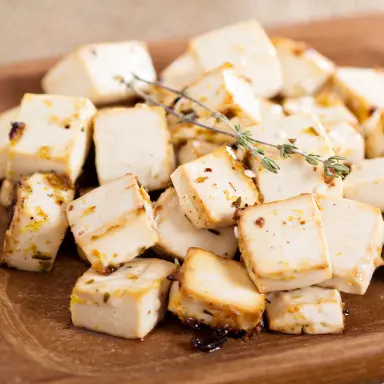
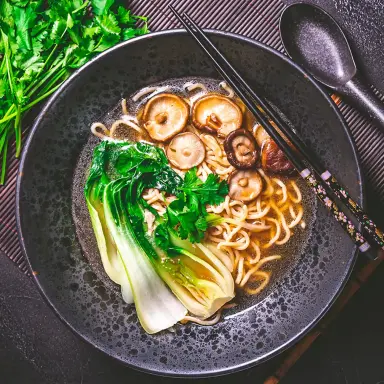
In addition to the classic soy base, there are also variants made from lupins, which are similarly rich in protein but have a stronger flavor. Tempeh is extremely flexible in the kitchen: fried in slices or cubes, it is suitable for curries, stir-fries or as a crispy side dish. It becomes particularly aromatic when it is marinated in soy sauce, herbs or spices beforehand. It can be used for everything from hearty main courses to protein-rich snacks.
How does tempeh differ from tofu and seitan?
All three are plant-based sources of protein, but they are clearly different. Tempeh is made from fermented soybeans and therefore has a firm consistency, more flavor and better digestibility.
Tofu, on the other hand, is made from soy milk, is softer and has a more neutral taste, but absorbs spices very well. While tofu provides around 8 g of protein per 100 g, tempeh provides more than twice as much at 19 g - plus fiber and micronutrients.
Seitan, on the other hand, is made from wheat gluten and, with up to 30 g of protein per 100 g, is the highest protein variant. However, it contains less fiber and essential amino acids and is unsuitable for people with gluten intolerance.
A particular advantage of tempeh: due to the fermentation process, it contains probiotics that promote intestinal health - a plus point that neither tofu nor seitan offer.
How do you store tempeh properly?

Tempeh stays fresh best if it is stored in a cool, airtight and dark place - ideally in the refrigerator. It will keep for several weeks in unopened vacuum packaging and should be eaten within a few days once opened.
Pay attention to the smell and appearance when storing: Tempeh that smells unpleasant or shows severe discoloration should be discarded.
Practical tip: Cut the tempeh into portions before storing, so you can only take out what you actually need and the rest will stay fresh for longer.
Freezing is particularly suitable for larger quantities. Tempeh can simply be cut into slices or cubes and packed in airtight packaging. After defrosting, the taste and consistency is largely retained, so you can use it flexibly for stir-fries, curries or grilled dishes.
Correct storage not only preserves the taste and texture, but also the valuable nutrients such as protein, fiber and B vitamins.
*All specifications given are to be considered as guideline values, and depend in each case on the type of food and on the proper storage without interruption of the cold chain from harvest/production through to the Liebherr appliance. Should food products have information about minimum shelf life, the date on the packaging always applies.

This text has been machine translated from English.