
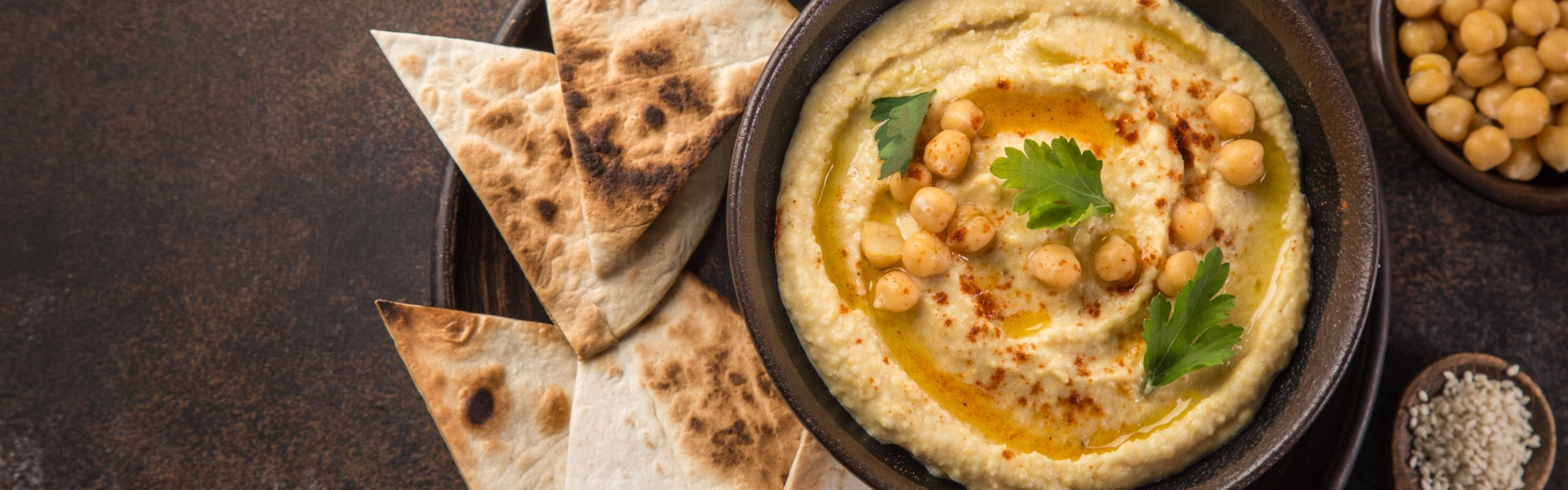
Hummus: The creamy all-rounder
Hummus is far more than a delicious dip – it combines healthy enjoyment with culinary variety. Whether it’s enjoyed as a side dish, spread or snack, the nutrient-rich chickpea paste is one of the most versatile dishes and enjoys great popularity around the world. Read on to find out what hummus actually is, where it comes from, and why it is so healthy. Discover our basic hummus recipe, tips on how to make it extra creamy, and creative variations.
Storage time*
| BioFresh Meat & Dairy safe just above 0 °C with low humidity | 7 Days |
| EasyFresh safe 7 °C with air regulation plate | Not recommended |
| Refrigerator compartment 7 °C | 4 Days |
| Freezer compartment -18 °C | 12 Months |
The key points
- Hummus: Chickpea paste with tahini, lemon juice, olive oil, garlic and spices
- Health benefits: Nutrient-rich, contains fiber, protein and healthy fats
- High calorie content: Due to olive oil, tahini and any sugar it may contain
- Improve creaminess: Peel the chickpeas, use ice-cold water and puree for a long time
- Spice up your hummus: Vary the recipe by adding ingredients such as avocado, beetroot, pumpkin or spices
Hummus – list of contents
What is hummus?
Hummus is a creamy paste made from pureed chickpeas, tahini (a sesame paste), lemon juice, garlic, olive oil and spices. It is traditionally served as a dip, spread or side dish.
Hummus or humus?
The correct spelling is ‘hummus’. The word comes from Arabic and means ‘chickpea’. The term ‘humus’ refers to the organic matter in soil.
Where did hummus originally come from? Hummus originates from the Levant region, which includes countries such as Lebanon, Syria, and Jordan. It is deeply rooted in the culinary tradition of this region and has been valued there as a national dish for centuries.
How healthy is hummus really?
Hummus is very nutritious. With a high fiber content, vitamins and minerals such as iron, calcium and magnesium, the creamy paste not only provides energy but also contributes to a balanced diet. However, the calorie content varies significantly depending on the preparation method and ingredients.
The basis of hummus, the chickpea, is a small nutritional powerhouse. It contains high-quality plant proteins, healthy fiber and essential nutrients such as iron, folic acid and potassium. Combined with tahini, which is rich in unsaturated fatty acids, as well as lemon juice and garlic, hummus offers more vitamins and minerals than many other spreads or dips.
The nutritional values vary greatly: on average, 100 g of hummus provides approximately 6 g of protein, about 6 g of fiber, and around 2.7 milligrams of iron. The fat content is typically between 15 and 30 g, and the carbohydrate content between 9 and 12 g. The calorie content varies most significantly depending on the brand and ingredients. It is roughly between 150 and 350 kcal per 100 g.
Why does hummus have so many calories? The calorie content is most strongly influenced by the olive oil and the tahini. Shop-bought hummus often contains sugar. Ideally, you should make hummus yourself so that you know exactly what’s in it and can adjust the amount of olive oil and tahini.
How is hummus prepared?
Classic hummus consists of chickpeas,tahini,lemon juice,garlic and spices. Traditionally, olive oil is not included in hummus – it is added to the hummus when serving, along with some paprika powder and a few chickpeas. There are now also a large number of variations of the recipe.
Hummus basic recipe:
Ingredients:
- 130 g dried chickpeas or 1 can (400 g) chickpeas
- 60 g tahini
- 4 tablespoons lemon juice
- 2 Cloves of garlic
- Salt, pepper, and cumin
- Olive oil and paprika for garnish
Preparation
• Soak the fresh chickpeas in water overnight. The next day, boil them in fresh water for about 1.5 to 2 hours until they are very soft.
• Rub the still-warm chickpeas between your hands in a bowl of water until the skin comes off. You can squeeze stubborn chickpeas out of their shells individually between two fingers. Set aside some chickpeas for garnish.
• Blend tahini, lemon juice, ice-cold water and garlic cloves. Then add the chickpeas and blend again until a creamy consistency is achieved. Finally, season with salt, pepper, and cumin.
• Garnish the hummus with the remaining chickpeas, olive oil and paprika powder before serving.
FAQs – Making hummus
Cooking and peeling chickpeas yourself ensures a particularly fine texture. They’ll become even softer if you briefly re-boil them. Both contribute positively to the creaminess of the hummus. Take ice-cold water and blend it with the remaining ingredients before adding the chickpeas and spices. Blending for a sufficient amount of time makes the hummus particularly creamy.
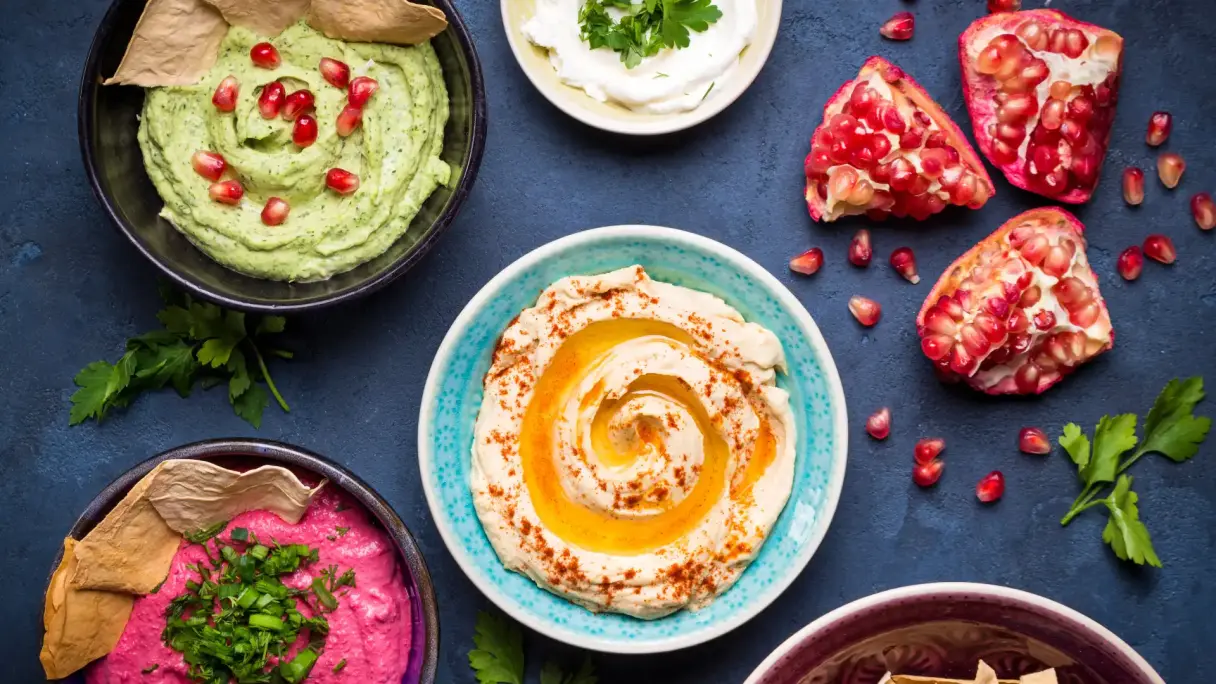
You can get creative here. With just one more ingredient, you can conjure up something completely new. Popular items here include avocados,pumpkins,spinach,carrots,sweet potatoes, dried tomatoes, roasted peppers, mangoes, or beetroot. You can simply add these to the blender along with the chickpeas. Alternatively, you can also replace the chickpeas with black or white beans. You can also experiment with the spices. Why not try turmeric,curry or chili?
What do you eat with hummus?
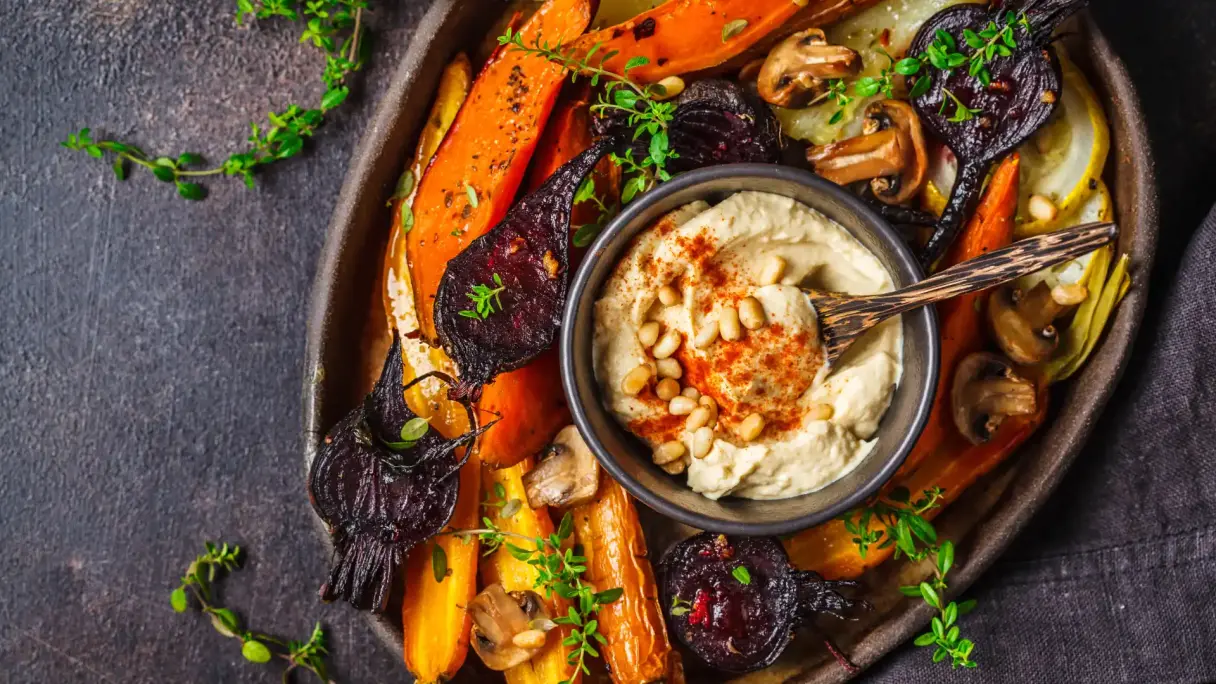
Hummus is incredibly versatile and goes well with a variety of dishes, whether as a dip,side dish or spread. Traditionally, it is primarily combined with pitta bread and often served as part of mezze, a selection of small Levantine appetizers such as baba ghanoush or tabbouleh.
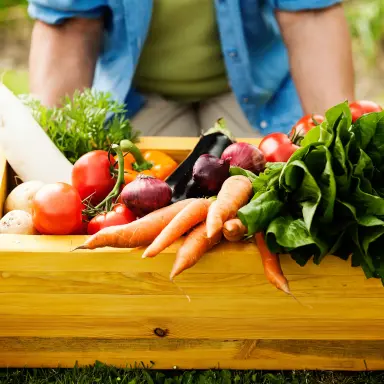
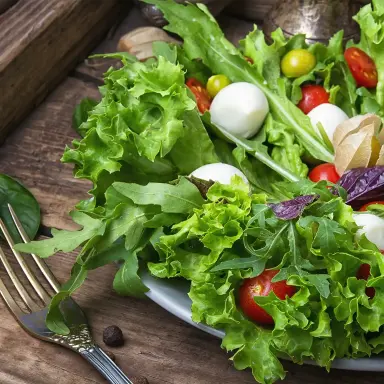
Even outside of these traditions, hummus is used in a variety of ways: as a spread on crispy bread, as a base for wraps or as a filling for tacos. Hummus is also a popular addition to bowls,salads or sandwiches. Try hummus, for example, as a substitute for butter on bread, instead of tomato sauce on pizza, or as a base for a pasta sauce – simply stretch the hummus by adding some vegetable broth. The combination with raw vegetable sticks such as carrots or cucumbers is also particularly popular. Whether as a side dish at a barbecue, as a dip or as the main ingredient of a meal – hummus will add a special touch to any dish.
*All specifications given are to be considered as guideline values, and depend in each case on the type of food and on the proper storage without interruption of the cold chain from harvest/production through to the Liebherr appliance. Should food products have information about minimum shelf life, the date on the packaging always applies.
This text has been machine translated from English.