Avocado: nutritional values, vitamins and calories of the superfood
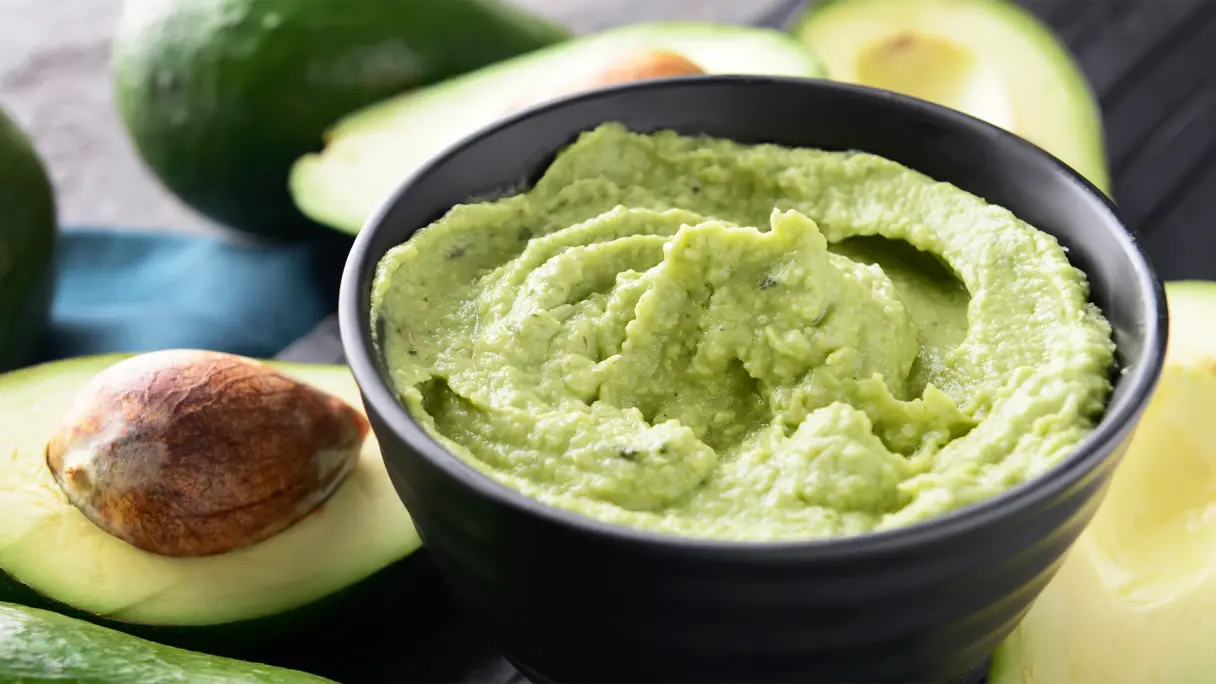
Avocados are particularly popular as a dip for nachos. However, they have now become a real superfood, as their nutritional values make avocados much more than just a popular dip ingredient for crisps and suchlike. Avocados also have a lot to offer when it comes to taste. We reveal the nutritional values, proteins and vitamins contained in avocados.
Storage time*
| EasyFresh safe 7 °C with air regulation plate | 12 days |
| Refrigerator compartment 7 °C | 10 days |
| Freezer compartment -18 °C | 12 months |
The key points
- Rich in healthy fats: Avocados are primarily a source of monounsaturated fatty acids.
- Lots of vitamins and minerals: they contain vitamins K, E, B5, B6, folate, some vitamin C, potassium, magnesium and copper, among other things.
- High in calories, yet nutrient-dense: with around 320 calories per fruit, it is one of the most energy-rich foods, yet it is also very nutritious.
- Proper storage is crucial: store unripe at room temperature, ripe in the refrigerator.
These vitamins are found in avocados
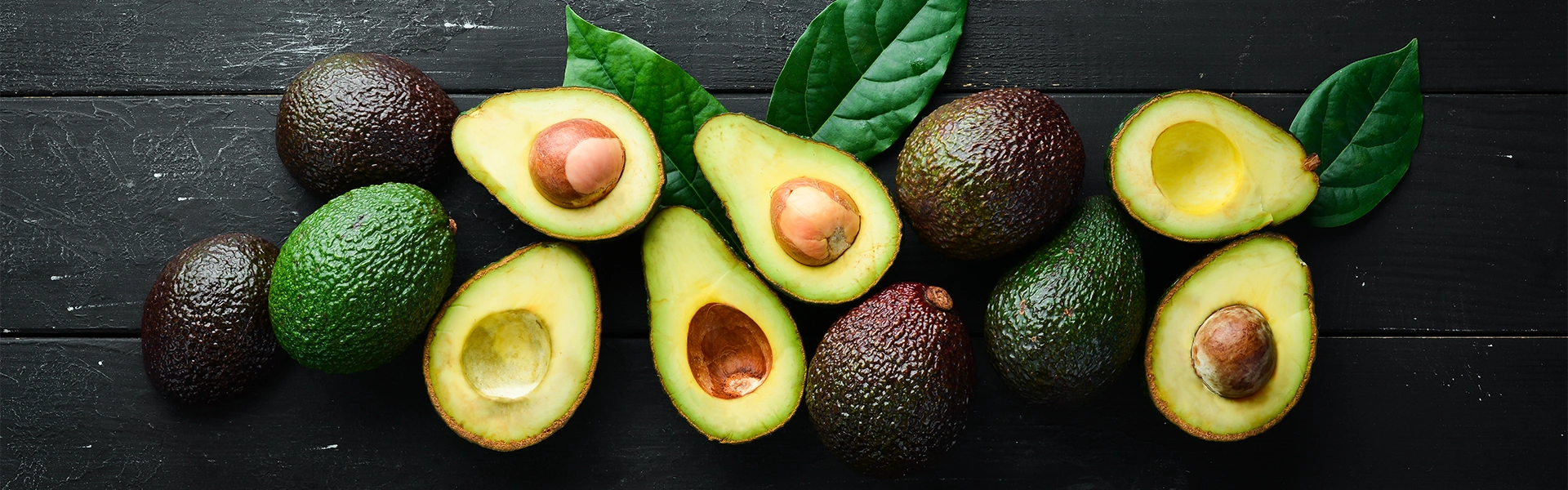
Botanically speaking, avocados are berries and are characterized by their unique nutritional composition. They are particularly notable for their high content of monounsaturated fatty acids, but their micronutrients are also remarkable. A medium-sized avocado provides around 320 calories, most of which come from fat. Protein accounts for around 4 g per fruit, which is relatively high for a fruit. Avocados also score highly in terms of vitamins, as they contain significant amounts of vitamin K, vitamin E and B vitamins, particularly B5 (pantothenic acid), B6 (pyridoxine) and folate (vitamin B9). They also contain small amounts of vitamin C. In addition, avocados provide valuable minerals such as potassium, magnesium and copper. This makes them one of the most nutritious fruits, even though they are higher in calories than most other fruits due to their fat content. They are good as an energy-rich, yet nutrient-dense ingredient in the diet.
Avocados are so healthy thanks to their nutritional values

Despite the fruit’s high fat content, you don’t have to give up eating avocados. On the contrary: the fat in avocados is very healthy because it is unsaturated fatty acids. Anyone with high cholesterol levels can rejoice, because this fruit is completely cholesterol-free. When consumed at the right stage of ripeness, it can even help lower cholesterol. So go ahead and enjoy it – your body will thank you for it.
If the avocado is not yet ripe, you can store it at room temperature in the kitchen without refrigerating it to speed up the ripening process. Once it has reached the desired degree of ripeness, you should place the avocado in the refrigerator. It will keep fresh for up to ten days. In the EasyFresh safe of a Liebherr refrigerator, avocados with their valuable nutrients can even keep for up to 12 days. Because the humidity is higher than in the refrigerator compartment, avocados stay fresh for two days longer in the EasyFresh safe. Or freeze the fruit in the freezer for up to 12 months.
If you don’t want to use the whole fruit at once, it’s best to leave the pit in the remaining half and drizzle some lemon juice over it. This will prevent unsightly brown spots and slow down the spoiling process. Cover half of the avocado with cling film and place it back in the refrigerator. Use it promptly to make the most of the avocado’s flavor and nutritional value.
*All specifications given are to be considered as guideline values, and depend in each case on the type of food and on the proper storage without interruption of the cold chain from harvest/production through to the Liebherr appliance. Should food products have information about minimum shelf life, the date on the packaging always applies.