
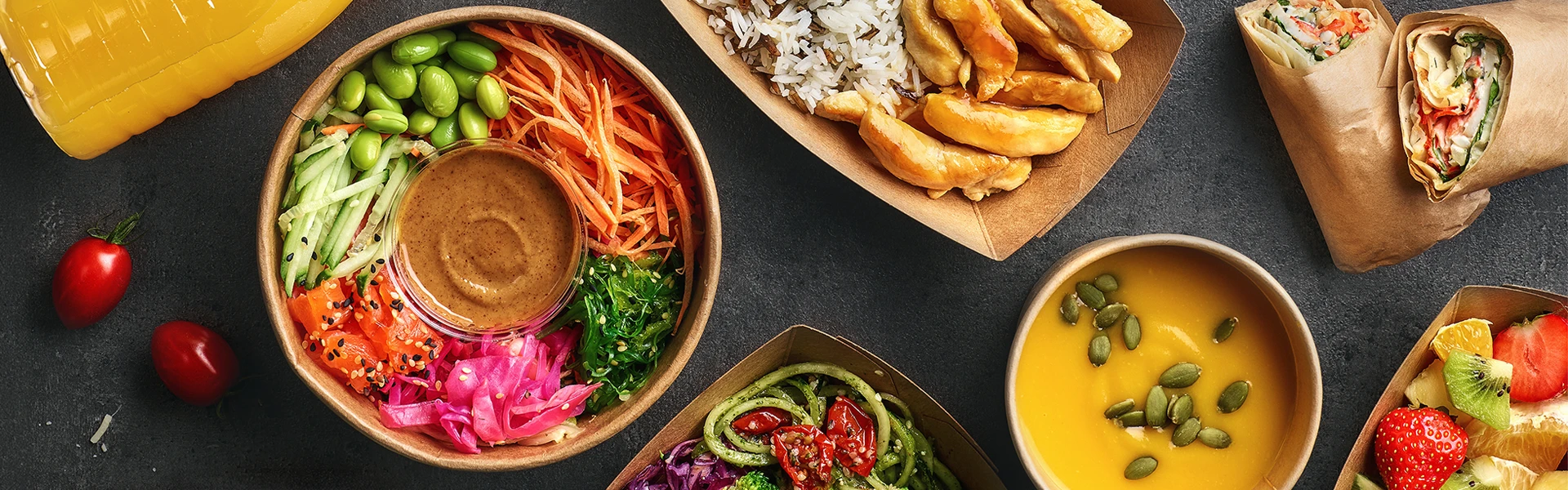
Fast good: Healthy alternatives to fast food
Fast food has shaped our eating habits for decades – it’s fast, cheap, and available everywhere. Fast good combines these benefits with more nutrients and quality. The result is quick meals that are healthy, high-quality, and delicious. Here you can find out what’s behind the concept of fast good, how it differs from traditional fast food, and which options are particularly healthy.
The key points
- Fast good: quick meals made using healthy, high-quality ingredients.
- Goal: combination of efficiency, flavour, and nutrient-rich recipes.
- Healthy fast food: grilled meat, vegetables, wholegrains, light sauces, water instead of sugary drinks.
- Healthy lifestyle: moderate consumption and compensate for what you’re eating by exercising and having a balanced diet.
- Advantages: more quality, nutrients, and healthy ingredients with the same speed.
What is fast good?

Fast good represents a modern nutritional concept that offers healthy, high-quality, delicious alternatives to traditional fast food. It combines the speed of preparing food with fresh ingredients, culinary creativity, and a focus on the nutritional content.
The idea behind it is a simple one: efficiency and speed remain key elements but, instead of highly processed, high-fat or high-sugar food, the focus is on high-quality ingredients and balanced recipes. Typical examples of fast good are bowls with fresh vegetables and selected sources of protein, burgers with avocado or hummus instead of cheese and bacon, and wraps made using lean poultry and a yoghurt dip. In contrast to traditional junk food, fast good instead focuses on delivering quality, flavour, and a nutritious diet.
What’s the difference between fast good and fast food?
Whereas traditional fast food is primarily about speed and often features pre-produced, highly processed ingredients, fast good takes a different approach: it combines fast preparation with fresh and nutritious foods. This places the emphasis on the quality of the ingredients and the way they are prepared, whereas with traditional fast food the focus is often on high energy density and simply satisfying hunger pangs. Fast good is renowned for consciously avoiding excessive amounts of fat, sugar, and salt.
When is fast food healthy?
It’s crucial to pay attention to the preparation, the ingredients, and the frequency of consumption, as fast food is often naturally high in calories and contains lots of unhealthy fats and sugars.
Certain aspects are crucial for making a healthy choice: grilled meat, such as chicken or turkey, is a better alternative to fried options as it contains less fat and is still rich in protein.
If the traditional accompaniment of chips is replaced with fresh vegetables, a salad with a light dressing, or grilled vegetable options, this won’t just reduce the calorie content, but will also add more micronutrients.
You should also avoid sugary drinks – water or unsweetened tea are a much better option.
As well as the choice of ingredients, the quantity of any sauces also plays a key role: high-calorie options like mayonnaise or barbecue sauce can be reduced or replaced with lighter alternatives like mustard or yoghurt sauces.
Which fast food is healthiest?
Some fast food dishes can be considered the clear winners in the “healthy alternatives” category. For example, a kebab made from chicken, lots of fresh vegetables, and a refreshing yoghurt sauce is a nutritious option. You should moderate the amount of meat and avoid using excessive amounts of sauce. Grilled chicken served with a hearty salad is also a protein-rich, low-fat alternative that will really fill you up.
Wok dishes also stand out as a positive choice. They provide a combination of colorful, lightly cooked vegetables with lean meat, fish, or tofu and contain valuable nutrients. The method of cooking here ensures that vitamins are retained while serving a meal that is light and full of flavour.
Falafel made with chickpeas is another smart choice because it’s rich in fibre and plant-based protein. As a vegetarian filling for kebabs or as the basis for a bowl, they provide energy and nutrients that will keep you feeling full for a long time.
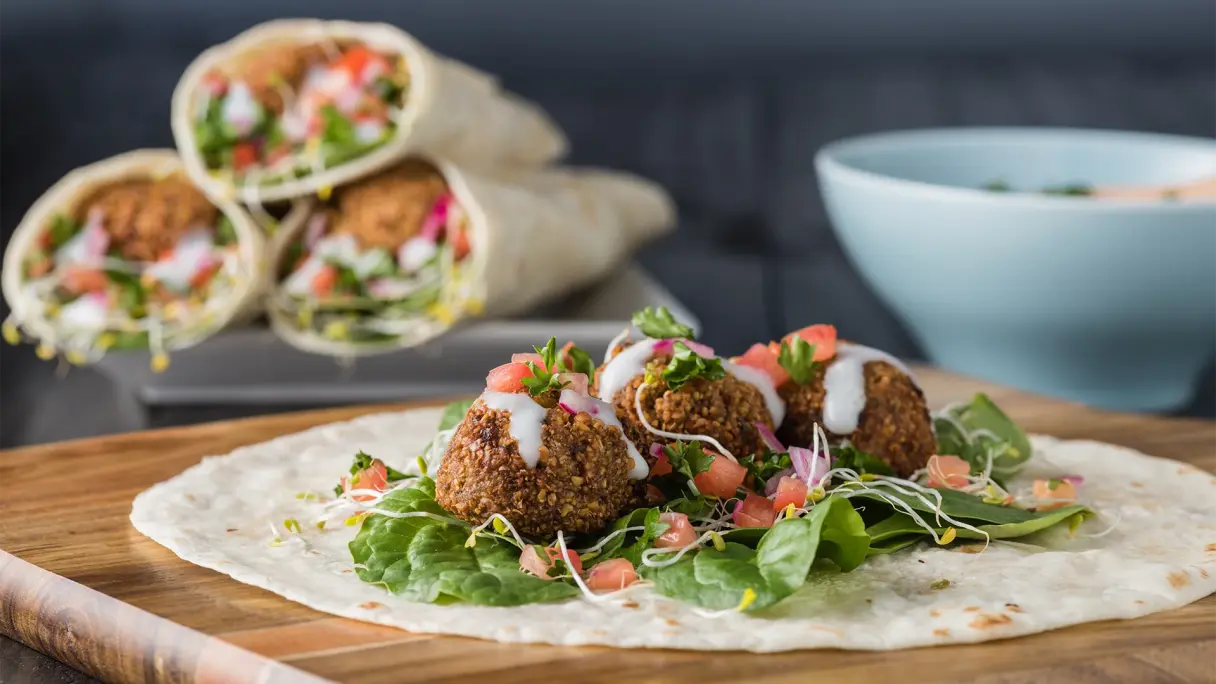
What should you pay attention to?
- Favour grilled options: choose grilled rather than fried foods.
- Prioritise vegetables: vegetables should play a central role in every dish – they provide vital nutrients with a low number of calories.
- Choose wholegrain: when it comes to bread, opt for wholegrain varieties as they will fill you up for longer and contain more nutrients.
- Use sauces carefully: use cheese sauces or mayonnaise sparingly; yoghurt or mustard sauces are lighter alternatives.
- Keep an eye on the portion size: smaller portions help reduce calorie intake.
What advantages does fast good offer compared to traditional fast food?
Fast good combines the speed of traditional fast food concepts with a much higher standard of quality, health, and sustainability. The focus is on using fresh, minimally processed ingredients that increase the nutrient content of the dishes and at the same time reduce the number of excess calories. In addition, lots of fast good providers embrace regional products and packaging that conserves resources. This creates a modern alternative to traditional fast food: it’s available fast, tastes great, and is better for your body and the environment.



This text has been machine translated from English.