Meat: healthy or unhealthy? Nutritional values, vitamins and more
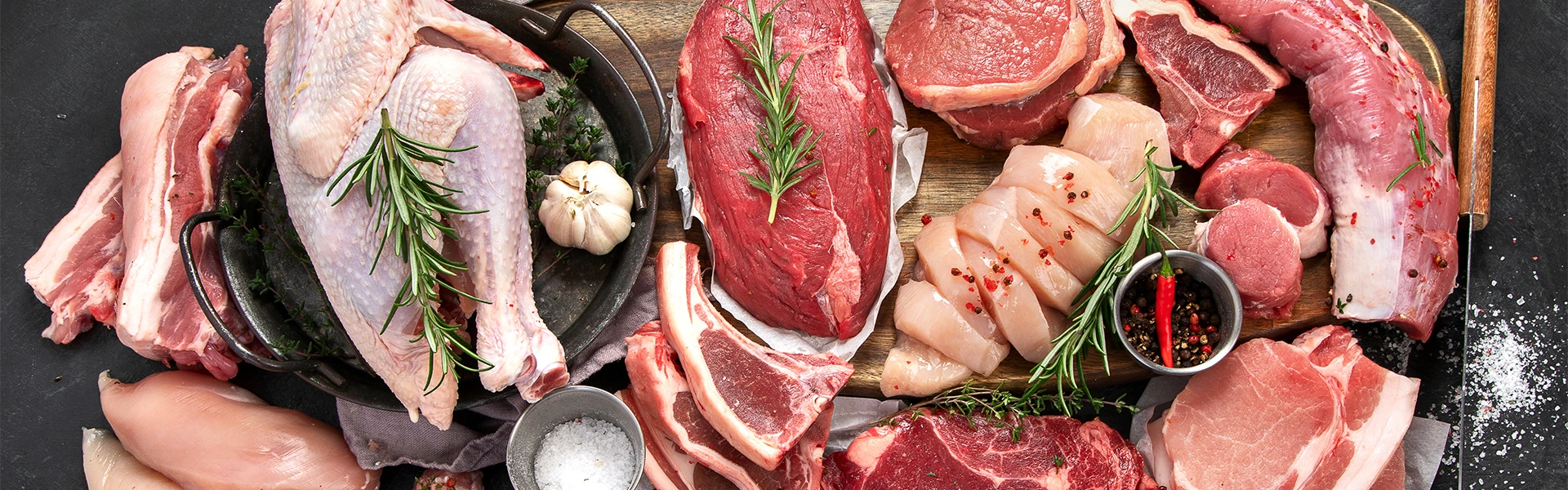
Meat is a staple in many people’s diet. In this article, you will find out which nutrients meat contains, how to correctly prepare and store meat, and which health aspects you should consider. We will examine the advantages and disadvantages of consuming meat and provide practical tips for a healthy diet. Whether you love meat or just enjoy it occasionally, here you will find useful information to help you make informed decisions.
Storage time*
| BioFresh Meat & Dairy safe just above 0 °C with low humidity | 6 days |
| Refrigerator compartment 7 °C | 1 day |
| Freezer compartment -18 °C | 6 months Poultry and pork 12 months Beef |
The key points
- Meat is high in protein and important nutrients.
- Red meat can be associated with health risks.
- The recommended amount is 300–600 g per week.
- Organic meat offers health benefits and advantages in terms of quality.
- Buy from local, sustainable suppliers to protect the environment
Is meat healthy?
Meat is a source of high-quality protein that the body is able to absorb well. It contains important vitamins and minerals such as iron, zinc, and B vitamins.
However, it is important to bear in mind the findings of numerous studies that have established a link between red meat and cancer and cardiovascular diseases. For this reason, as well as for ethical and ecological reasons, the recommended amounts of red meat for adults of 300–600 g per week should, wherever possible, not be exceeded. The German Federal Institute for Risk Assessment has also established a link between excessive meat consumption and cancer, in particular bowel cancer. However, it also points out that genetics and the preparation of the meat also play an important role.
Lean meat is a healthier option, as it contains fewer saturated fats.
Meat: nutritional values and vitamins
Meat is not just a source of protein, it is also rich in vitamins and minerals. Red meat is high in iron, zinc, and B vitamins, while poultry tends to contain fewer micronutrients, but is leaner. The right combination of meat with plant-based foods can improve nutrient uptake.
Why organic meat is the better option

Organic meat is obtained from animals that are kept under better conditions. These animals are fed organic feed and have more space to live. Organic meat often contains fewer harmful substances and antibiotics, which makes it a healthier choice. In addition, by buying organic meat, you are also supporting sustainable farming practices. When making your purchase, pay attention to certifications to ensure that the meat is actually of organic origin.
Meat consumption and the environment: pay attention to the origin
When making your purchase, look out for local suppliers and organic certifications to ensure that the animals have been kept under appropriate conditions. Find out about the origin of the meat and the conditions under which the animals were raised. Not only does this contribute to improved health, but also supports animal welfare and the environment.
The mass production of meat has huge effects on the environment. Animal husbandry is a major cause of greenhouse gas emissions, particularly due to methane produced by cattle. These emissions are a major contributor to climate change.
Through purchasing seasonal and regional meat, you can boost the local economy as well as reduce the environmental footprint. A conscious choice to buy sustainable meat products promotes responsible farming and helps to protect the environment.
What do I have to consider when preparing and storing meat?
Correctly preparing and storing meat is essential to ensure flavor and food safety. Before you process the meat, it should be washed thoroughly – but not for too long, otherwise nutrients are lost. Then dab the meat using kitchen towel to prevent splashes while cooking. Make sure to use tender meats for roasting, as these contain less connective tissue. The animal's muscle groups which are not used very much - such as the back of the beef - are particularly tender. For the best taste, be sure to sear the meat using heat-resistant oil. If there are leftovers after the meal, these should be thoroughly heated through before using again in order to kill off any possible unwanted bacteria.
When storing meat in the refrigerator, remember that it is easily perishable due to its high protein and water content. It is therefore important to store the meat in the coolest place in the refrigerator. A covering also protects the meat from premature spoilage. By taking all in this into account, you can keep beef, pork and poultry in the refrigerator for about a day. The BioFresh Meat & Diary safe of a Liebherr refrigerator ensures a shelf life of up to six days for pork, beef, and poultry due to low humidity and a temperature of just above 0 °C.
Would you like to keep the leftover meat for even longer? Then you can freeze meat. This extends the shelf life of poultry and pork to up to six months, and of beef for even up to a full twelve months. The freezing should occur as quickly as possible in order to allow uniform ice crystal formation.
*All specifications given are to be considered as guideline values, and depend in each case on the type of food and on the proper storage without interruption of the cold chain from harvest/production through to the Liebherr appliance. Should food products have information about minimum shelf life, the date on the packaging always applies.