Interview with Prof. Dr. Guido Ritter: The science of freshness
Prof. Dr. Guido Ritter is a renowned expert in sustainable nutrition and food quality. Together with Münster University of Applied Sciences, he investigates how fruit, vegetables and other foods can stay fresh for longer under optimal conditions, retain their nutrients, and maintain their full flavour. Numerous storage tests and studies on temperature and humidity provide valuable insights that feed directly into Liebherr freshness technologies, helping to improve food quality and reduce food waste.
The key points
- BioFresh creates precise temperature and humidity conditions that significantly extend the shelf life of many foods.
- Storage tests at Münster University of Applied Sciences show: Some foods stay fresh at 0 to 3 °C for much longer than previously assumed.
- Humidity and temperature have a significant influence on cell metabolism and germ growth.
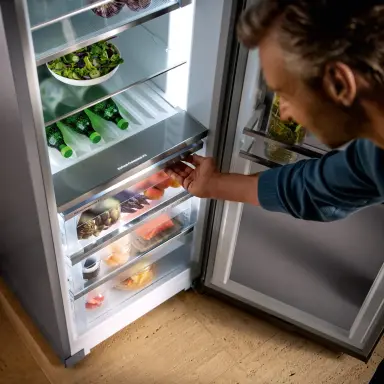
- Well thought‑out fridge organization helps preserve food quality and reduce food waste.
- Modern cooling technologies allow precise adaptation to the needs of different food groups.

Prof. Dr Guido Ritter, Professor at Münster University of Applied Sciences, Department of Oecotrophology. Teaching area: Food law, food sensory analysis and product development
"What typical mistakes can we avoid when buying and storing our food so that we can enjoy it for as long as possible?"
Prof. Dr. Guido Ritter: "It all starts with planning. Our studies show how important a shopping list is to avoid food waste and save money.
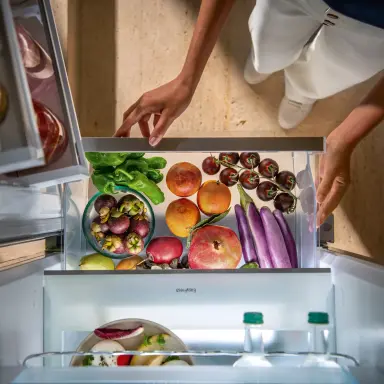
Food should be stored sensibly at home. Vegetables such as lettuce, peppers and carrots like to be cool and moist. A vegetable compartment such as BioFresh with 0 °C and optimum humidity is ideal.
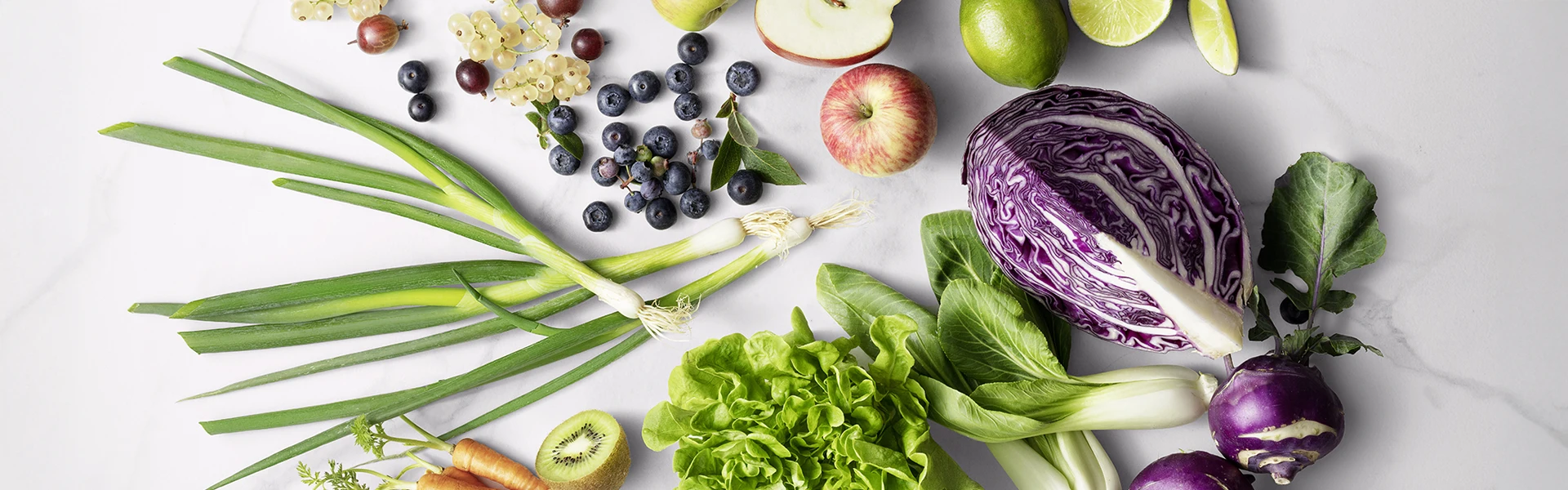
Some fruit should be stored separately. A colourful fruit basket looks nice, but is unfavourable for storage. Apples, bananas and tomatoes give off the ripening gas ethylene, which causes other fruit to overripen quickly."
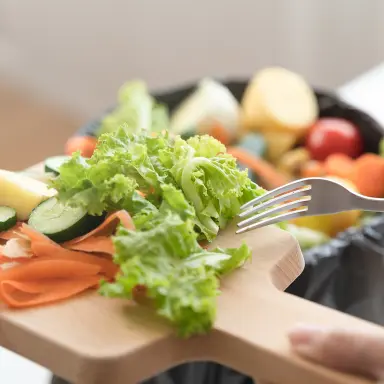
Facts about food waste
"What was the most surprising result for you in your storage tests?"
Prof. Dr. Guido Ritter: "I was really surprised at how long fruit and vegetables keep under optimal conditions in the BioFresh safe. In our storage tests, carrots and apples stayed fresh for as long as 80 days. This isn’t due to special varieties, but to the customized temperature and humidity technology."
"What impact does the humidity level have on food?"
Prof. Dr. Guido Ritter: "Besides temperature, humidity is the other crucial factor for keeping fruit and vegetables fresh. Moisture and a little oxygen maintain the metabolic processes of the cells, which is important for ensuring the products don’t wilt or die."
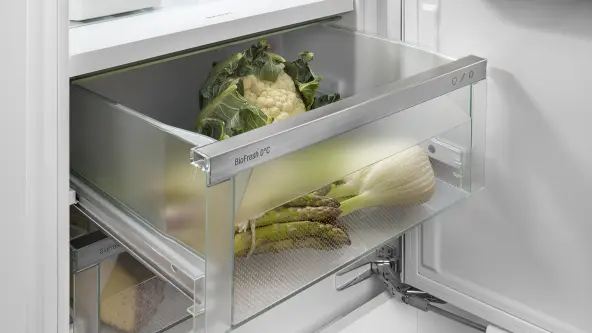
BioFresh-Safe: Temperatures just above 0 °C and the perfect humidity
"And the influence of temperature?"
Prof. Dr. Guido Ritter: "Microorganisms grow best between 10 °C and 50 °C. That’s why it’s essential to heat or cool food quickly. To keep food fresh, it’s crucial to store it at a low temperature, as this slows down the growth of germs. Proper refrigeration effectively prevents spoilage and the spread of pathogens.
Seven degrees is the upper limit that every fridge should maintain to inhibit most bacteria, especially salmonella. However, 4 °C or below is the optimal temperature."
"What happens to vitamins and nutrients over the storage time?"
Prof. Dr. Guido Ritter: “Storage conditions have a significant impact on the stability and preservation of vitamins and nutrients in food. Various factors such as temperature, light, oxygen, humidity and packaging materials play a crucial role in the degradation processes of these essential compounds."
"Can you explain this process to us using an apple as an example?"
Prof. Dr. Guido Ritter: “Vitamin C in apples doesn’t last forever. It disappears faster when it’s warm. The vitamins will be preserved longer in the fridge than at room temperature. If too much oxygen or iron is introduced, you can say goodbye to vitamin C even sooner. The right packaging is also important: juices stored in glass bottles in the fridge will fare better than those in plastic containers at higher temperatures.”