Tomato varieties: diversity and benefits of the colorful vegetable
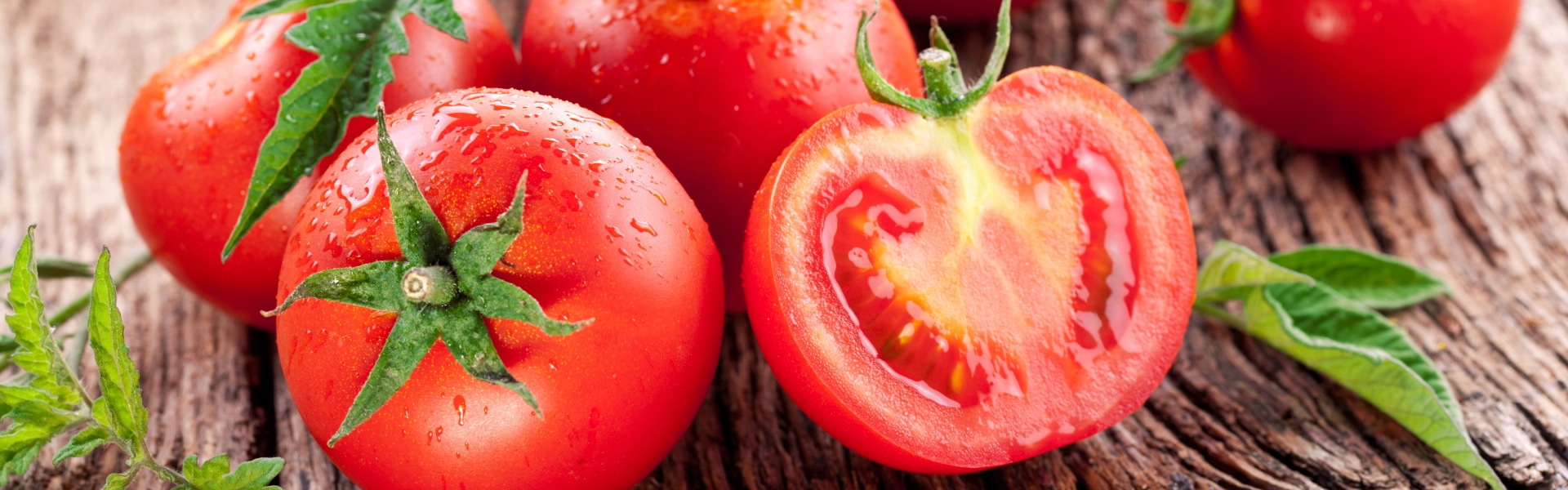
Fresh from the garden, as a sauce, from a tube, or in a pot as a soup – the tomato is something of an all-rounder vegetable. And with the many different tomato varieties in all kinds of colors, the diversity of uses is even greater. Read on to find out what makes tomatoes so popular and what the differences are between tomato varieties.
Storage time*
| EasyFresh safe 7 °C with air regulation plate | 16 days |
| Refrigerator compartment 7 °C | 13 days |
| Room temperature 20 °C | 7 days |
The key points
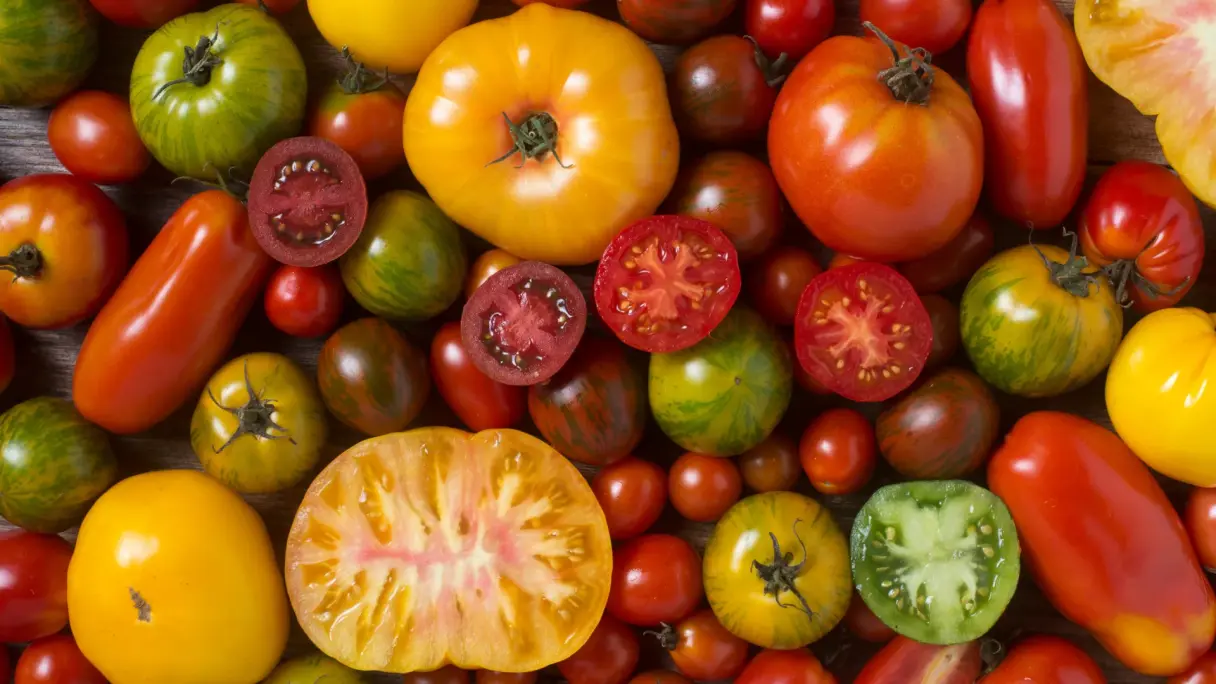
- Range of varieties: today, there are countless varieties of tomatoes in a wide variety of shapes (round, elongated, plum or pear-shaped) and colors (red, yellow, green, purple, black) that go far beyond the classic round tomato.
- Popular varieties: the vine tomato is particularly popular because of its long shelf life, even ripening and intense flavor.
- Healthy and nutritious: tomatoes are very low in calories, rich in water, and contain many vitamins (A, B, C, E) as well as minerals, such as magnesium and iron. Lycopene provides the red color and also strengthens the immune system.
- Storage affects the flavor: tomatoes continue to ripen and should therefore not be stored unripe in the refrigerator. For a stronger flavor, they are best enjoyed at room temperature.
How many tomato varieties are there and what they look like
The tomato is one of the most popular vegetables. Whether for cooking or raw, tomatoes are on the shopping list, even if only in the form of tomato paste or ketchup.
In recent years, the number of different tomato varieties has steadily increased. Until then, the range was limited to just a few varieties. It consisted of round, elongated, beef, and cherry tomatoes. Then the grape or vine tomato was added to the list. Today it is one of the most popular tomato varieties.
The advantage of the vine tomato is the longer shelf life after harvesting and the even ripening of the fruit on the plant without it falling off the vine prematurely. For this reason, the vine tomato can also store a maximum load of nutrients. This benefits the flavor in particular. Cherry tomatoes, cocktail tomatoes and beef tomatoes are now also available as vine tomatoes. In addition to the widespread round shape of the tomato, there are also elongated, flat, plum-, pear-, and date-shaped fruits.
In addition to their shape, the individual tomato varieties also have a lot to offer in terms of color. And the classic red is complemented by yellow, orange, brown-black, green, purple or even black fruits.
Colorful tomatoes: vitamins and other nutrients
With just 17 kcal per 100 g, tomatoes are very low in calories and can therefore be enjoyed as a snack between meals without hesitation. They also consist of 94 percent water. They can reduce blood pressure and act as a diuretic, which can have a beneficial effect on the heart and kidneys. Thanks to sufficient sunshine and ideal soil, tomatoes are packed with more vitamins A, B, C, and E than almost any other vegetable. They are also rich in magnesium, iron, calcium, and phosphorus.
The secondary plant substances, carotenoids, are responsible for the colors of the different tomato varieties. They range from yellow to red. The red coloring agent lycopene in particular can have an immuno-strengthening effect. To facilitate the absorption of lycopene in the body, tomatoes should be cooked or boiled.
Storing tomatoes in the refrigerator or not?
Whether and in what way a tomato tastes good is, of course, subjective. However, there are some factors that influence the ripeness and flavor of the tomato. Of course, the tomato variety plays a major role. Then there is the sugar content, the acidity ratio, the firmness, the method of preparation, the flavor and, of course, the consumption temperature. Some people like them cool, others like them warm. But what happens to the flavor of tomatoes in the refrigerator?
If you put your tomatoes in the refrigerator, make sure that you only store fully ripe fruit in it. The cool temperatures in the refrigerator slow down the spoilage process, but at the same time also stop them from ripening. Tomatoes are climacteric fruits, i.e. they continue to ripen even after harvest. Therefore, leave unripe tomatoes to ripen outside the refrigerator and only place them in your refrigerator once they have reached your preferred degree of ripeness.
For a more intense flavor, we recommend taking the tomatoes out of the refrigerator and warming them to room temperature before eating.
If you want really fresh tomatoes, you can of course also grow your own tomatoes in your garden or on the balcony. This means that nothing stands in the way of direct consumption and you can choose the degree of ripeness and the variety yourself.
*All specifications given are to be considered as guideline values, and depend in each case on the type of food and on the proper storage without interruption of the cold chain from harvest/production through to the Liebherr appliance. Should food products have information about minimum shelf life, the date on the packaging always applies.
This might also interest you
Mozzarella: nutritional values, calories and storage tips
Fennel – an effective medicinal herb and tasty vegetable
Tuber, herb, seed: all parts of the fennel are edible. Read all the exciting facts about fennel, its effects and nutritional values here.