
Fridge guide
How to sort food correctly and keep it at the perfect temperature
Is there really a right and a wrong way to organise your fridge?
Yes, there is. Different groceries require different temperatures in order to keep them fresher for longer. Some feel right at home in the cold, others prefer warmer environments. Do you want to create order in your fridge but you’re not sure where you should put your groceries next time you go shopping? Then take a look at our fridge tips.
Where do you want to store your food?
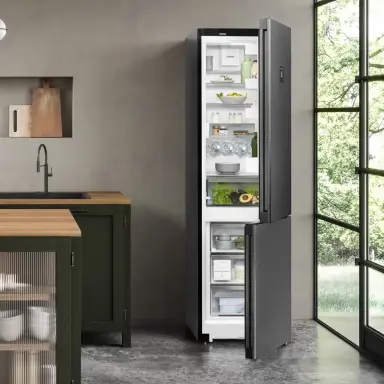
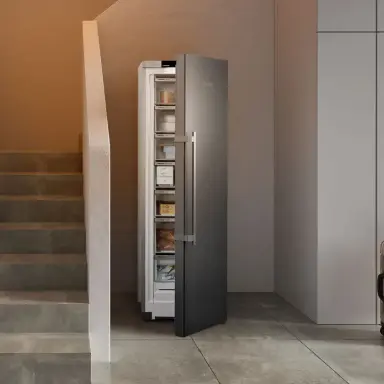
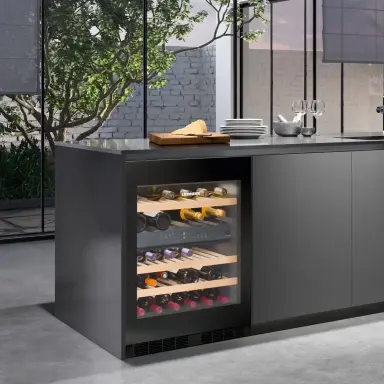
Fridge cooling zones: How to store food correctly
| Storage location | Groceries |
| Door rack | The temperatures in the fridge door are slightly higher than in the fridge compartment. This is the ideal place to store preserves, dressings, ketchup, cans and tubes. Cheese and butter can also be stored here just before they are eaten. Over a longer period of time, however, cheese and butter should be stored in the BioFresh compartment. |
| Fridge compartment | Ideally, the fridge compartment should be set to 5 degrees. Opened jars such as pickled vegetables or preprepared meals are stored here. As these are usually stored in larger containers (pots, bowls, cans), this is the best place to keep them. |
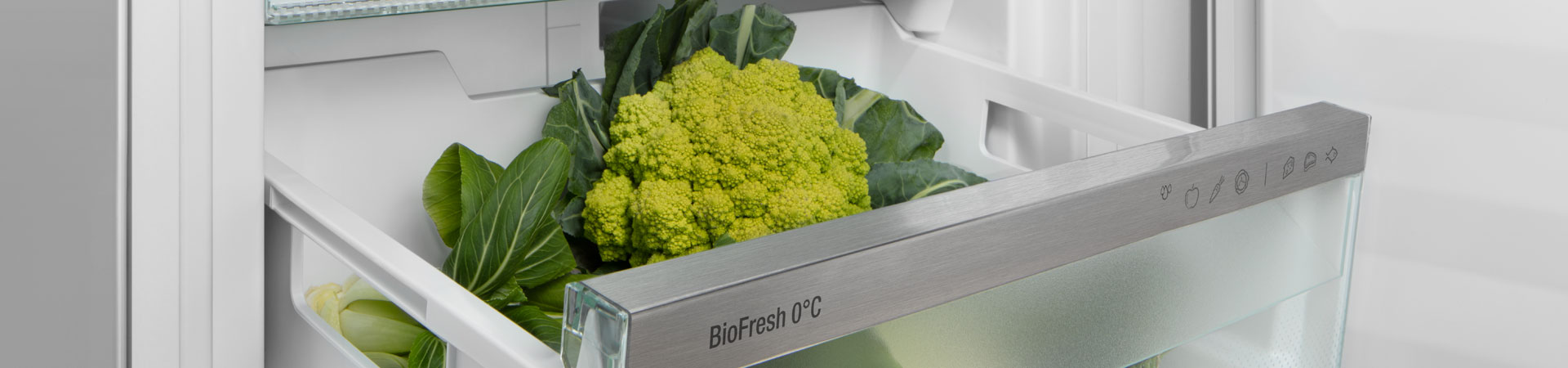
| BioFresh safe | The BioFresh compartment has a temperature of 0°C and variable humidity. This is the ideal storage area for virtually all groceries. Fruit and vegetables, as well as meat, sausages, fish and dairy products, can be stored here up to nine times longer than in the classic fridge compartment. In addition, BioFresh preserves the vital vitamins, nutrients and flavours. |
| Tip: Tropical fruits (e.g. bananas, pineapples) do not belong in the BioFresh safe as they grow in different climatic conditions and therefore also require warmer temperatures when they are stored. | |
The perfect use of cooling zones: Our appliances
Our appliances not only offer you a wide selection in terms of design, the different detailed touches inside also bring a completely different cooling experience to your home. All models have innovative functions to keep your food fresh for a very long time. Giving you more time to enjoy the really important things in life.
Groceries in the freezer compartment
| Storage location | Temperature | Groceries |
| 1 Star | at least -6 degrees | for the short-term storage of frozen food, up to 1 week of storage |
| 2 Stars | at least -12 degrees | medium-term storage of frozen food, up to 3 weeks of storage |
| 3 Stars | at least -18 degrees | long-term storage of frozen food, up to several months of storage depending on the product |
| 4 Stars | -18 Degrees and below | Freezing food and long-term storage of frozen food, the duration of storage of frozen food can vary from 2-12 months |
For wine lovers
Visits from friends or a quiet evening at home are perfect occasions to open a nice bottle of wine. For crafted, aged wines to develop their fullest flavour, they need to be handled properly. Wines are best enjoyed if they are stored under ideal conditions and at precisely the right temperature.
More about storing groceries
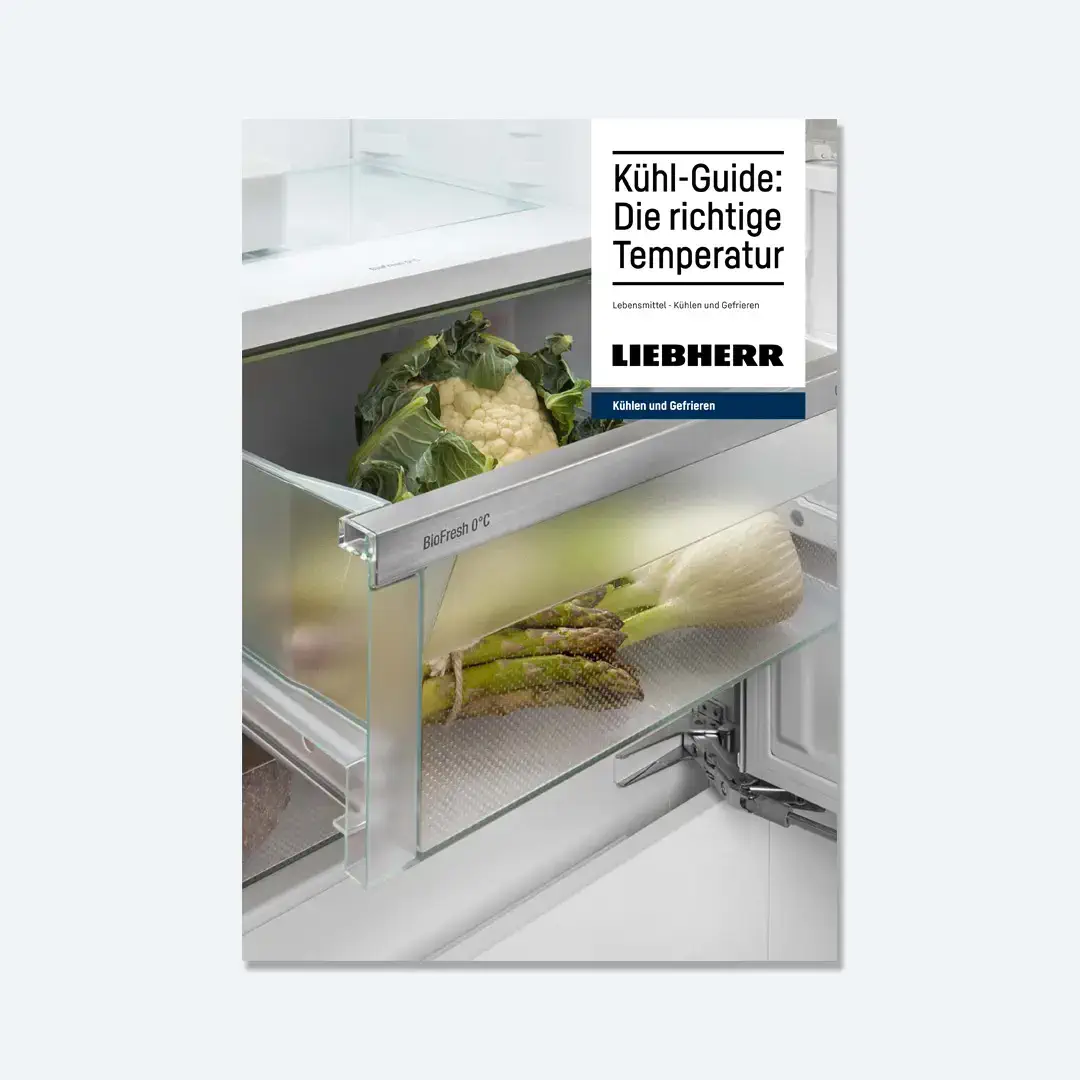
True to the motto of "chill properly – enjoy intensively", the food chilling guide is the ideal reference for everyday use. Which freezing technologies are particularly energy-efficient? Which groceries belong where? And what’s the best way to defrost your freezer?
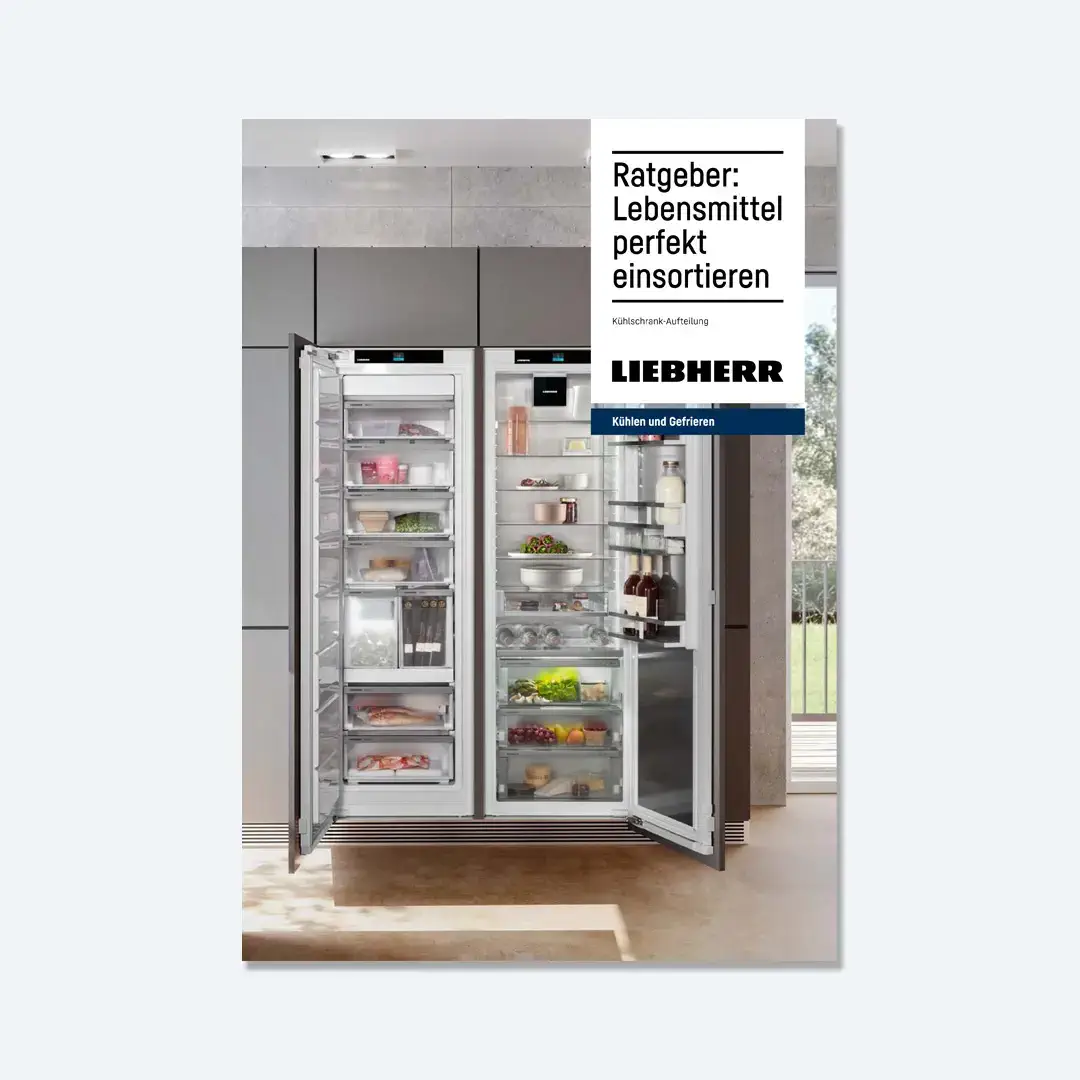
The best tips and info at a glance: storing groceries in the right place. Where to store what? Useful aids for proper storage. Special: Wine storage – turning a passion into pleasure