
Which food shouldn’t you freeze?
Freezing food can help prevent waste, as it can be stored for longer. However, there are also foods that are no longer edible after freezing. Find out here which foods should not be frozen and what alternative options there are for preserving and storing these foods.
The key points
- Do not freeze dairy products and raw eggs – they change their consistency and taste.
- Fruits and vegetables naturally high in water, such as lettuce, tomatoes and cucumbers, become mushy and inedible.
- Alternatives: preserving, pickling, fermenting or using special freshness compartments in modern refrigerators.
Which food shouldn’t you freeze – list of contents
Which food shouldn’t you freeze?
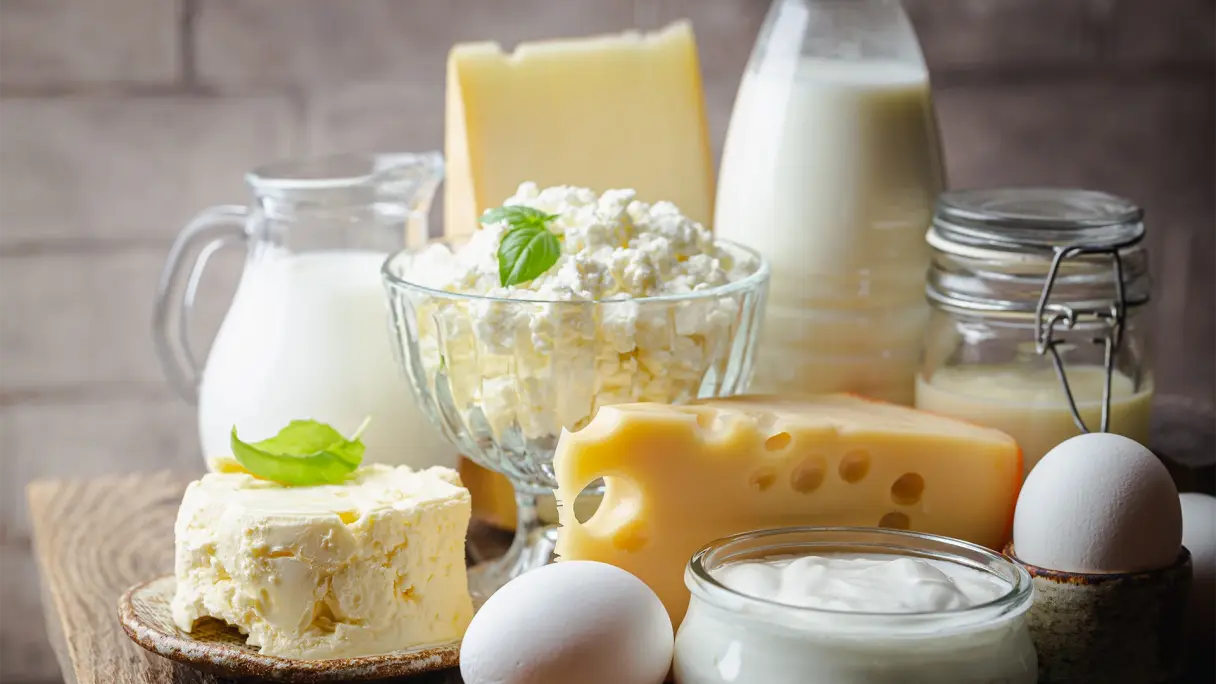
Dairy products cannot really be frozen. Milk, cream, fresh and soft cheese, yoghurt and quark are only suitable for freezing to a limited extent. These tend to flake when defrosted and lose their prized creamy consistency, becoming rather grainy. However, if you don’t mind the change in consistency – for example, if you use the quark in pastries or cakes – you can freeze and defrost the dairy products without any problems. But what other foods should you avoid freezing?
Whole eggs should not be frozen. This is because the shell may crack in the freezer. Eggs that have already been boiled, on the other hand, become rubbery at low temperatures. If you want to freeze eggs, you should always crack the raw eggs open first. The liquid, beaten egg or separated egg whites and yolkscan be frozen. We recommend using them in baked goods or cakes, whereas fresh eggs are better for egg dishes.
Can all vegetables be frozen?
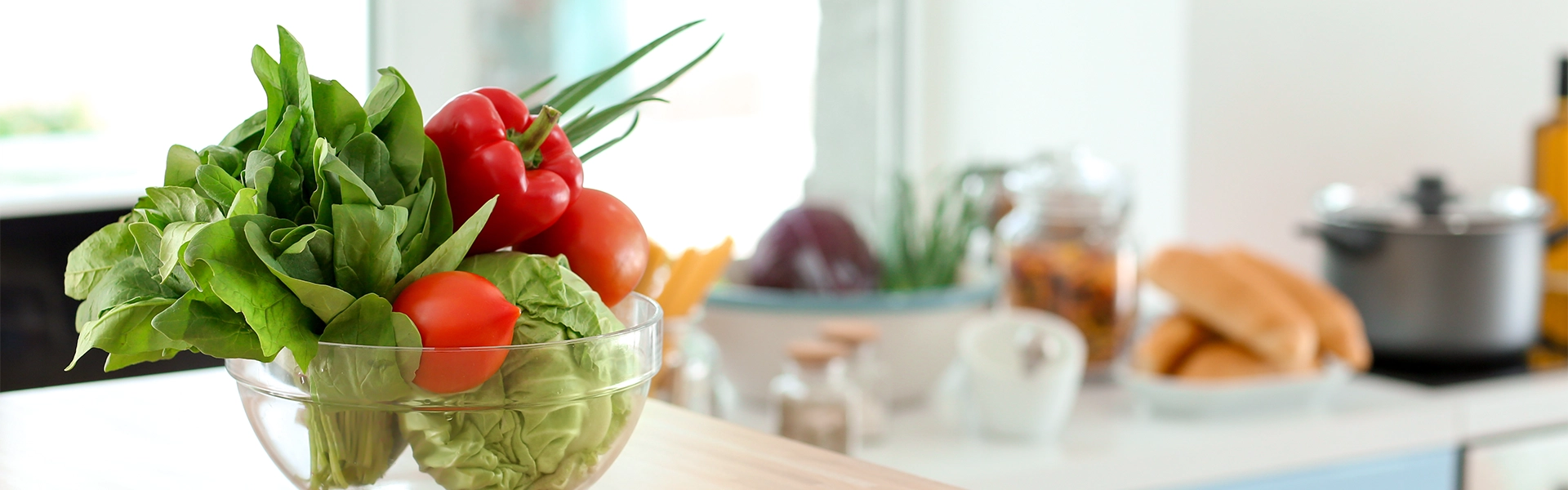
Salads of any kind become mushy when frozen and are no longer edible after defrosting. Other water-rich vegetables and fruits such as tomatoes, cucumbers, grapes, melons and berries are also among the foods that should not be frozen. They are no longer edible after freezing. However, frozen fruit can still be used in smoothies or as fruit purée for pastries, cakes and tarts.
Tomatoes can also be used for tomato sauce after defrosting. Potatoes also become mushy after freezing and taste increasingly sweet. Only processed potato products such as French fries can be frozen without any problems. In theory, you can freeze garlic, but in practice it loses much of its flavor and aroma.
What alternatives are there if you should not freeze food?
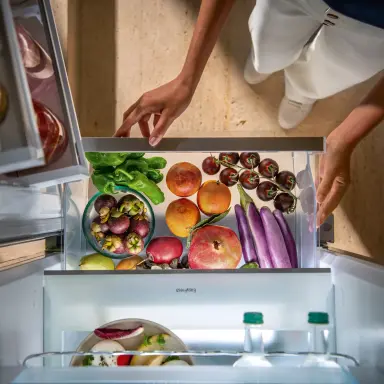
Thanks to innovative technologies and specially designed freshness zones, food stays up to 5 times fresher for longer in a Liebherr refrigerator with BioFresh drawers. So you never have to worry about which foods you can’t freeze. Salads can be stored in the BioFresh Fruit & Vegetable safe for up to three weeks without losing their freshness, making freezing unnecessary in most cases. Grapes even retain their quality for almost a whole month here. Tomatoesand cucumbers stay fresh for up to two weeks when stored correctly in the EasyFresh safe. Various types of melon also benefit from the ideal conditions and can be stored there for two to three weeks.
There are other methods for preserving fruit and vegetables:
- When preserving, food is heated to 60–90 °C, which kills germs while preserving most of the nutrients.
- Sterilizing at temperatures above 100 °C extends the shelf life even further, but leads to nutrient loss.
- When pickling, food is preserved in vinegar, oil or alcohol, with vinegar offering the longest shelf life.
- Fermentation promotes not only shelf life but also the formation of additional vitamins through lactic acid bacteria.
- Drying, e.g. tomatoes or apples, is an environmentally friendly method if done in a warm, airy place.
This might also interest you
Defrost properly for hygienic enjoyment
We’ve put together some tips on how you can defrost food properly to ensure that, in the case of frozen products, your enjoyment and food safety are not compromised.
Fermentation – preserving food in a resource-saving way
Fermentation preserves food in a resource-efficient way. Discover benefits, methods, and tips for flavor, health, and sustainability.
Preserving food in the refrigerator for longer
Most foods can be preserved for longer if they’re stored in the refrigerator. This is why cool temperatures have an impact on the shelf life of food.