
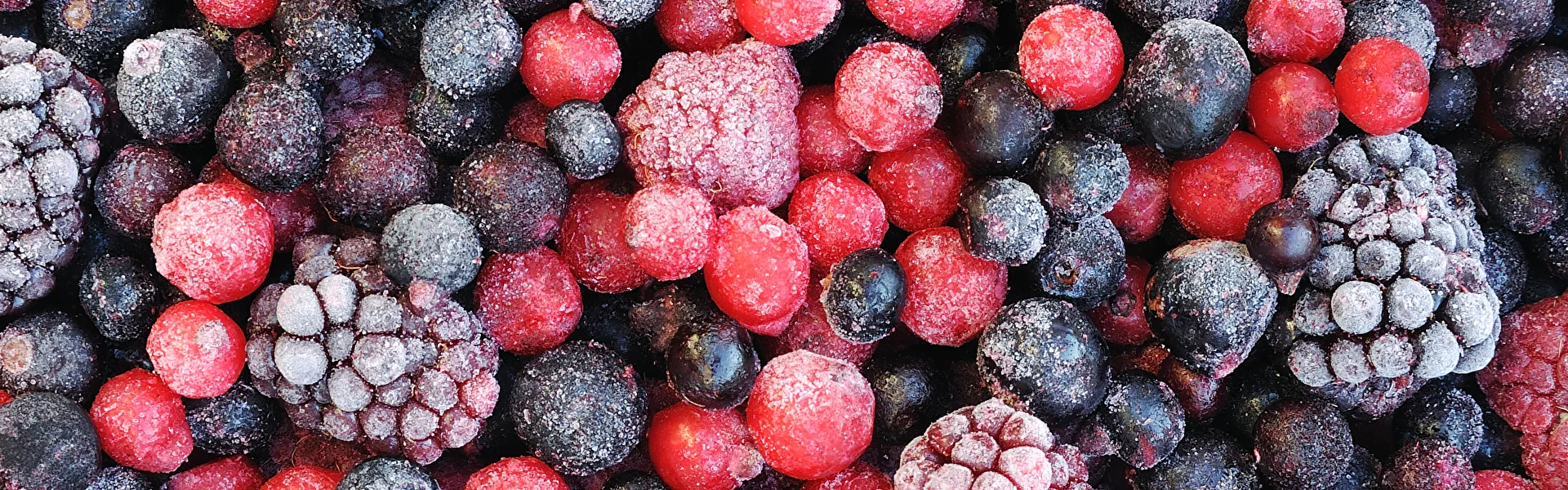
Defrost properly for hygienic enjoyment
Frozen products are convenient! Thanks to the freezer, nutritious fruit and vegetables are always at hand, and frozen leftovers are perfect for reusing as an evening meal. We’ve put together a few tips for you to ensure you are well prepared when it comes to food hygiene and how to defrost food correctly.
The key points
- Insulate frozen products well during transport to maintain the cold chain.
- It’s best to defrost meat and poultry in the refrigerator to prevent germs forming.
- Dispose of any defrosted water immediately to prevent cross-contamination.
- Regular defrosting saves energy. Technologies such as NoFrost and StopFrost prevent ice formation.
Transporting frozen food: what to watch out for?
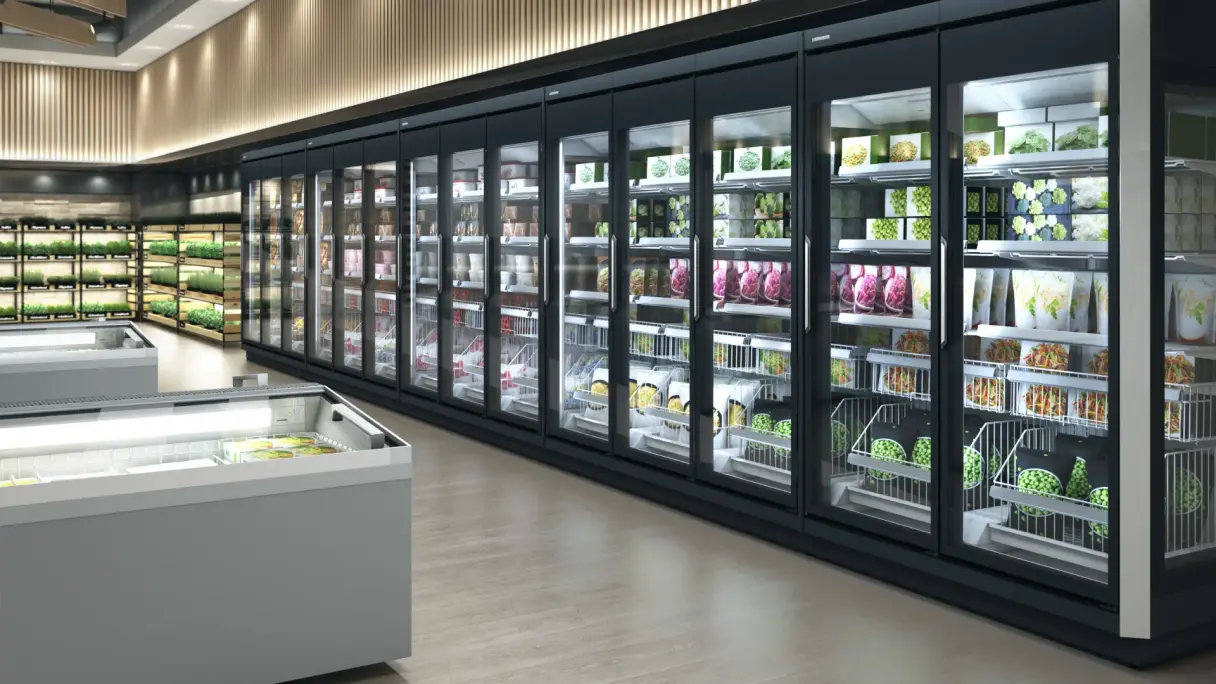
The cold chain needs to be maintained so that the frozen goods do not thaw on the way to the domestic freezer. The goal is to transport the frozen goods home before they reach positive temperatures. That’s why frozen products should be the last item placed in your shopping trolley. To transport frozen food, an insulation box or bag equipped with cold storage accumulators are ideal. The cold products should also not come into contact with sensitive fresh produce because fresh lettuce or tomatoes, for example, cannot cope with the freezing temperatures.
Once home, the frozen goods go straight to the freezer. When they do, you should make sure that new arrivals are not placed right next to frozen products already occupying the freezer. The new product may draw the cold away from the existing items which means they can start defrosting and germs may multiply.
Defrosting food correctly – here’s how it’s done
The ideal defrosting process varies from food to food and also depends on the intended use. For frozen products, it is therefore advisable to follow the manufacturer's instructions on the packaging.
Basically, you can defrost frozen food in the refrigerator, at room temperature or in the microwave (covered with some water). Products to be placed in the oven or saucepan for cooking can also be used straight from frozen.
In the refrigerator, on the other hand, the frozen food needs time to defrost properly. Innovative refrigerators offer technologies that keep food fresh for longer and improve everyday convenience. At a temperature of just above 0 °C and an ideal humidity, BioFresh ensures that fruit, vegetables, meat and dairy products last longer. Thanks to DuoCooling, the refrigerator and freezer compartments operate with separate cooling circuits, preventing any air exchange. This ensures that food stays optimally cooled, does not dry out and no unwanted odors are transferred.

Defrost properly with these tips
With some foods, a little more thought needs to be given to the defrosting process. We have therefore listed the most important defrosting tips for you.
- Take particular care with minced meat, chicken breast and such like: meat and poultry are easily perishable and should therefore be properly defrosted in the refrigerator. If you don’t have the time, you can alternatively quickly defrost the frozen food in a preheated oven.
- Deal correctly with defrosted water: the frozen food should be placed in a sieve to defrost. This means the product does not sit in the defrosted water. Certainly, the water should be poured away after defrosting without coming into contact with other foods.
- Defrost large items fully: temperatures internally during cooking may not be high enough to kill off unwanted germs. As a rule of thumb, items thicker than 10 cm should be completely defrosted before use.
Good for your health when properly defrosted: frozen fruit and vegetables
Did you know...? From a nutritional point of view, frozen fruit and vegetables are actually preferable to the fresh alternatives. In most cases, fruit and vegetables are still in the fields just a few hours before being frozen into their dormant state. Fresh produce, on the other hand, takes much longer to arrive on our plates. During this time, the produce suffers deterioration in quality, which also includes vitamin losses.
Your freezer should be defrosted about every six months - or sooner if the layer of ice is too thick. Thanks to the NoFrost and StopFrost technology, the humidity is removed while cooled circulating air freezes your frozen food. This prevents unwanted icing in the freezer compartment. These technologies ensure a longer shelf life for your food when properly defrosted, as well as reducing maintenance costs and contributing to energy-efficient operation.
This might also interest you

Fresh or frozen fruit and vegetables?
Fruit and vegetables are important for a healthy lifestyle. But what is actually better: fresh or frozen vegetables and fruit? We reveal all!

Freezing wine and using it for cooking
Can you freeze wine? What is the shelf life of wine when frozen? Can frozen wine be used for cooking? Read on to find out.
Freezing tips: How to store frozen food correctly
Freezing food often makes it last longer. We'll share our tips on freezing and how to handle frozen food properly.