
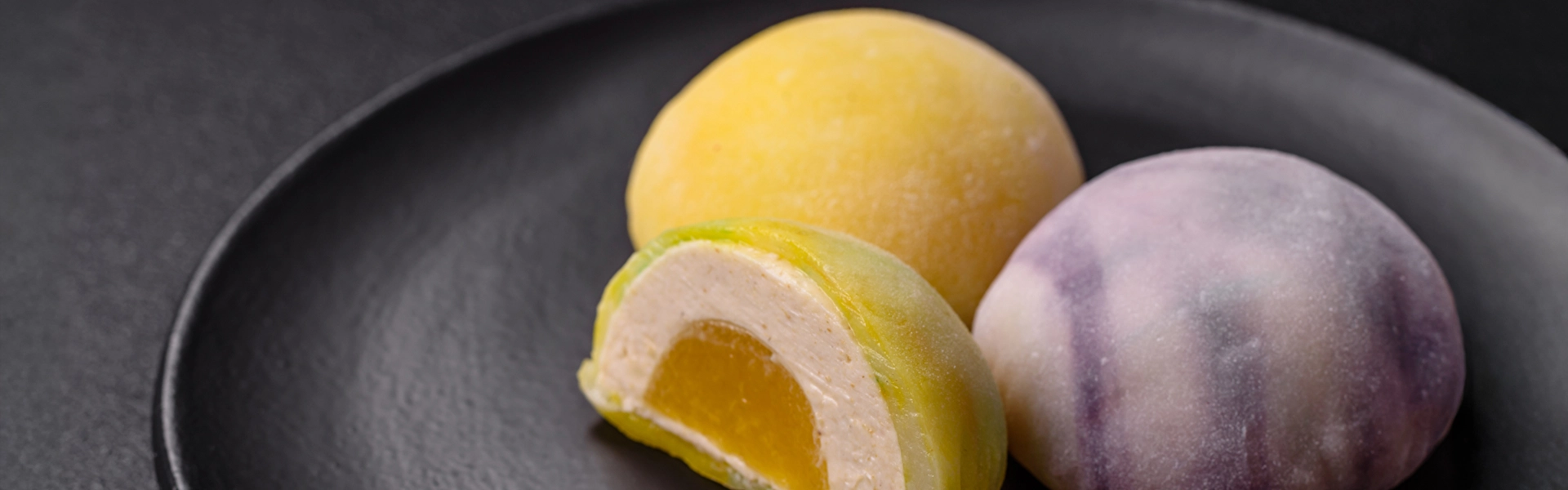
Mochi ice cream – healthy ice cream balls from Japan
Whether it’s the red, green or yellow variety, mochi ice cream will not only catch your eye, but also flatter your figure compared to conventional ice cream. That’s because this popular Japanese treat is low in calories as well as lactose and gluten-free and, depending on the variety, even vegan. But what's in those colorful little balls? And how exactly is this trendy dessert speciality prepared?
The key points
- Frances Hashimoto, an American with Japanese roots, is the inventor of mochi ice cream and first made the speciality big in the US.
- Because it is made of coconut milk, this ice cream is particularly suitable for vegan diets as well as for gluten or lactose intolerance.
- The Japanese treat has relatively few calories.
- The rice coating makes these colorful little balls of deliciousness very filling.
Mochi ice cream – List of contents
Mochi was originally considered the “food of the gods” in Japan. Only emperors could know the pleasures of the little, sweet rice cakes. Today, the colorful balls are traditionally eaten on New Year's Day – the Japanese believe they bring good luck and a successful harvest. Now, the trend has also arrived in Europe.
From tradition to trend: mochi ice cream
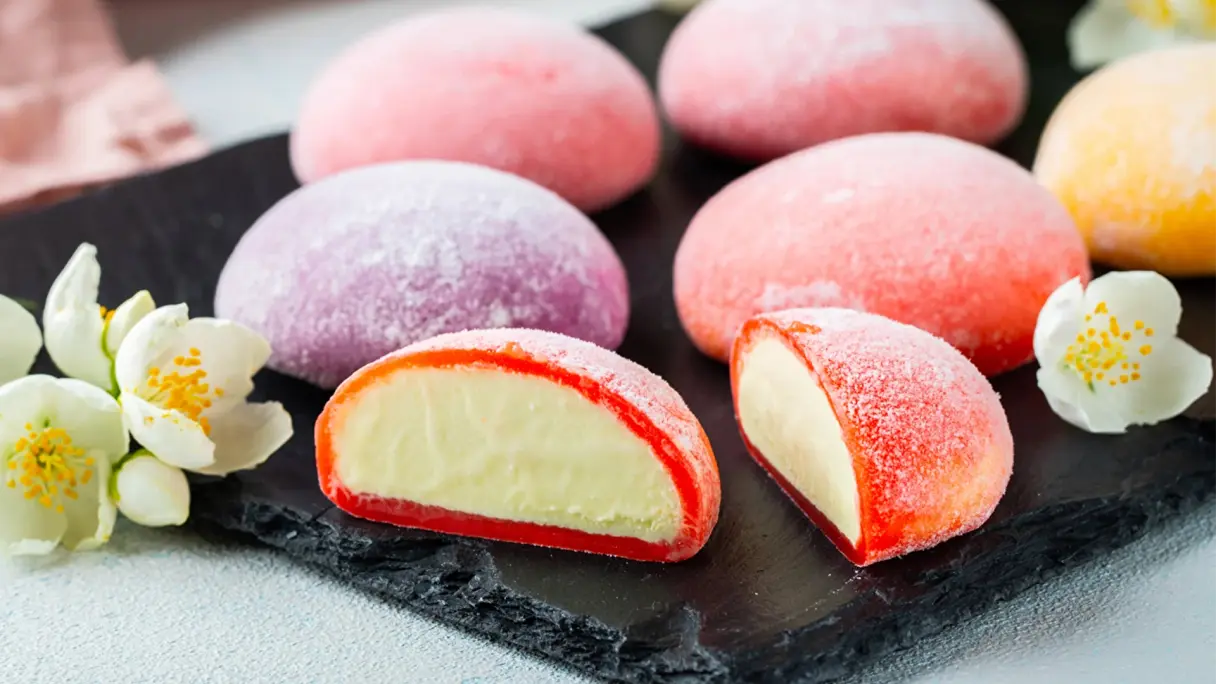
Mochis provide a unique sensation in the mouth because, even when frozen, the outer shell of the rice balls remains pleasantly soft and slightly sticky.
Traditional mochi consists of a dough made from Japanese glutinous rice flour, also known as shiratamako. The outer dough is filled with a mixture of adzuki beans and sugar. The paste is very sweet but contains plenty of protein and fibre due to the Asian legumes. Fillings made of fruit jelly, nutty sesame seeds or sweet peanut butter are also typical for this tasty Japanese treat.
Frances Hashimoto, an American with Japanese roots, is the inventor of mochi ice cream and first made the speciality big in the US. Instead of the traditional paste, she filled the sticky rice dough for the first time with ice cream made from coconut milk. These days, old familiar flavors like strawberry, mango, stracciatella or pistachio are used, as well as more exotic flavors like green tea or even black sesame. The special feature: even frozen, the outer shell of the rice balls remains pleasantly soft and slightly sticky, Creating a truly unique sensation for your tongue.
Ice cream and no regrets?
Because it is made of coconut milk, mochi ice cream is particularly suitable for vegan diets as well as for gluten or lactose intolerance. What’s more, the Japanese treat has relatively few calories. The rice coating also makes these colorful little balls of deliciousness very filling, so that even small amounts can satisfy your deepest cravings. Another advantage of the frozen treat: The trendy takeaway ice cream comes without any plastic packaging, and your hands stay clean thanks to the rice coating. But take care: the sticky rice is, as the name suggests, very chewy, So toddlers and older snackers in particular should enjoy their tasty treats in bite-size morsels.
Because it is made of coconut milk, mochi ice cream is particularly suitable for vegan diets as well as for gluten or lactose intolerance.
DIY: mochi ice cream at home
Have you acquired a taste for the frozen rice flour cakes and now want to bring the joy of frozen rice cakes into your life? Then you can either buy these pillows of pleasure at an Asian shop or try your luck in certain supermarket chains. Note: supermarkets often use regular ice cream instead of traditional coconut milk ice cream!
If you want to be absolutely certain of what's in your mochi ice cream, you can also make the Japanese ice cream speciality at home.
For eight mochi ice cream balls, you will need the following ingredients:
- 8 scoops of ice cream of your choice
- 50 g glutinous rice flour
- 100 g sugar
- 100 ml water
- Corn starch
This is how to do it!
The first step is to mix the glutinous rice flour and sugar. Then gradually add some water until you get a smooth mixture without any lumps. Now put the batter in a non-stick pan and heat it over medium heat while stirring. The mixture will eventually become gooey. Keep stirring vigorously until the batter is firm. Next, spread the cornstarch onto your work surface and pour the batter on top. Now shape it into eight equal sized balls. Once this is done, flatten the balls and place a scoop of ice cream of your choice on the centre of each. Take the edges of the dough and wrap the scoop of ice cream inside. It is best to turn the dough in slightly at the bottom so that the ice cream is completely enclosed. Last but not least, freeze the mochi ice cream for one to two hours in your Liebherr freezer. If you like your ice cream really creamy, take the mochi balls out ten minutes before you want to eat them so you can enjoy them extra soft!
Amateur chefs who like experimenting can also make this trendy mochi ice cream very easily themselves.
You can also knead a few drops of food coloring, matcha powder or cocoa into the warm dough for a splash of color. For even more visual appeal, top them with cream, hundreds and thousands or liquid chocolate. Let your imagination go wild!
This might also interest you
Tanghulu – a Chinese sweet speciality
Tanghulu is a traditional Chinese sweet that is becoming increasingly popular around the world. Read this article to discover everything you need to know about tanghulu.

Make your own dog ice cream – recipes, information and tips
Make your own dog ice cream: which ingredients you can use & what you should look out for if your dog has a sensitive stomach. Read on to find out.
Nori seaweed – delicious to prepare and easy to store
Practical tips for preparing savory nori seaweed and helpful information for optimal storage!