
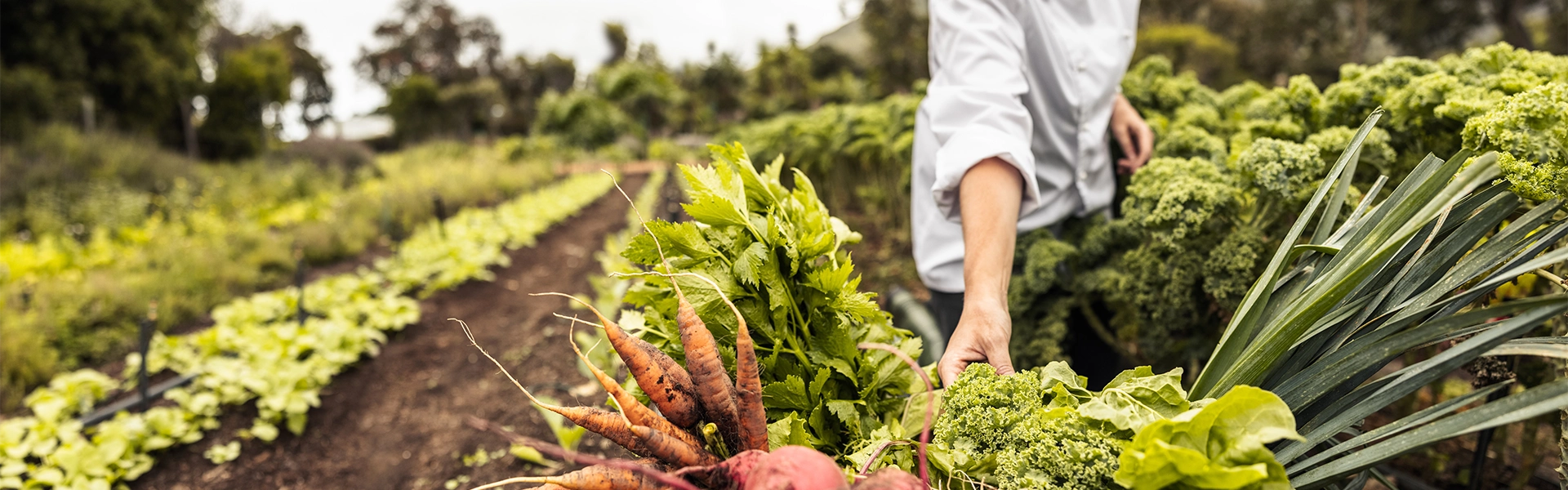
Farm-to-table – as fresh and local as possible
Increasing awareness of the importance of sustainability has led to the farm-to-table principle becoming a key part of a responsible lifestyle. More and more people are seeking out food with clearly traceable origins and that hasn’t had to travel a long way to get to them. This approach brings farmers and consumers closer together and combines regionality, transparency, and quality. It also offers a solution for anyone concerned about the challenges of protecting the environment and promoting fair economic structures, while wanting fresh-tasting products. This article tells you what the farm-to-table concept is about and how you can adopt this approach in your daily life.
The key points
- Direct connection between producers and consumers for maximum transparency
- Locally produced food with natural freshness and clear origins
- Shorter delivery chains reduce CO₂ emissions and boost local agriculture
- Ideal for sustainable nutrition and conscious purchasing decisions
- Easy to adopt for yourself – from farm shops to your own herb garden
Farm-to-table: where does my food come from and how is it produced?
The farm-to-table concept lets you get food direct from the farm – without unnecessary processing and long transport routes. It results in access to food that boosts the environment, health, and local businesses in equal measures.
Farm-to-table is all about conscious and transparent food production, where the route from the field to your plate is kept as short as possible. Consumers learn how their food is grown, processed, and transported. Not only does this build trust, it also guarantees freshness and higher product quality.
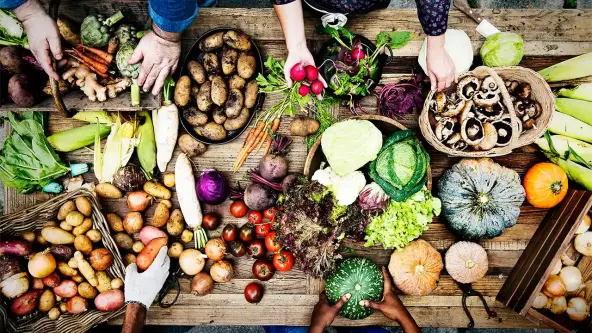
What is meant by “farm-to-table”?
The term “farm-to-table” means just what it says: “from the farmyard to your plate”. It’s about the philosophy of having direct access to food that intentionally reduces long supply chains, the number of intermediaries, and industrial processing. Food should be unprocessed as far as possible, produced seasonally and locally, and have clearly traceable origins. This includes, vegetables, fruit, eggs, meat, honey, bread, and also dairy products, such as milk, where we’re all familiar with how quickly it gets from the farm to our table.
The proximity to the producers ensures that food is fresher and retains more of its nutrients. It also reduces the environmental footprint, as less energy is needed for transport and packaging.
Farm-to-table is all about authenticity, sustainability, and trust – the polar opposite of the globalised food industry. Consumers who value quality benefit from great taste, transparency, and the knowledge that they’re benefitting the local economy.
Farm-to-table in hospitality: what is meant by “farm-to-table dining”?

Farm-to-table dining refers to restaurants that obtain ingredients directly from their local area and cook seasonal dishes.
If restaurants adopt the farm-to-table principle, they cook with ingredients that come directly from local farms. Agricultural businesses work directly with the kitchens, so that produce such as vegetables, eggs, dairy products, and meat is prepared while it is as fresh as possible and without taking a roundabout route. Many eateries are flexible, adapt their menus to the season, and work with whatever produce is available that day or week, depending on what is currently being harvested.
The principles of farm-to-table restaurants are:
- Seasonal menus: dishes are based depending on what is currently being harvested and what fresh produce is available.
- Regional collaborations: working closely with local producers creates a high degree of transparency.
- Transparency for guests: diners know exactly where the ingredients come from.
- Sustainable business practices: this approach conserves resources and actively reduces food waste.
This type of dining boosts regional businesses, allows for fairer prices, and delivers authentic tastes. The focus on artisanship, local produce, and quality is turning farm-to-table dining into a growing trend for conscious connoisseurs.
Why farm-to-table is so relevant and how you can adopt this approach

Farm-to-table is growing in importance because lots of people want to make conscious purchasing decisions. Buying locally sourced food means short journeys, less packaging, and lower CO₂ emissions. At the same time, buying directly boosts small business and provides greater transparency in terms of the production methods.
Some ways that you can adopt the farm-to-table approach are:
- Buy directly from the farm: many farms have farm shops or sell crates of fresh products.
- Make use of your weekly market: these are a great way to get really fresh, local produce.
- Know what is in season: buying based on what is in season gets you flavorful produce and conserves resources.
- Grow your own: you can quickly gain the satisfaction of growing herbs or vegetables on your balcony or in your garden.
- Local instead of industrially produced products: opt for unprocessed local food such as milk or cheese.
At present, there is no global farm-to-table certification mark. However, you can get an idea of products in line with this ethos by looking for accreditation based on established sustainability and organic standards, such as the EU organic logo or certifications from international bodies such as Demeter and Naturland. In Germany, the “Regionalfenster” regional label provides a clear indication of a product’s origins.



This text has been machine translated from English.