
Fine dining trends: fermentation, fire, and tea
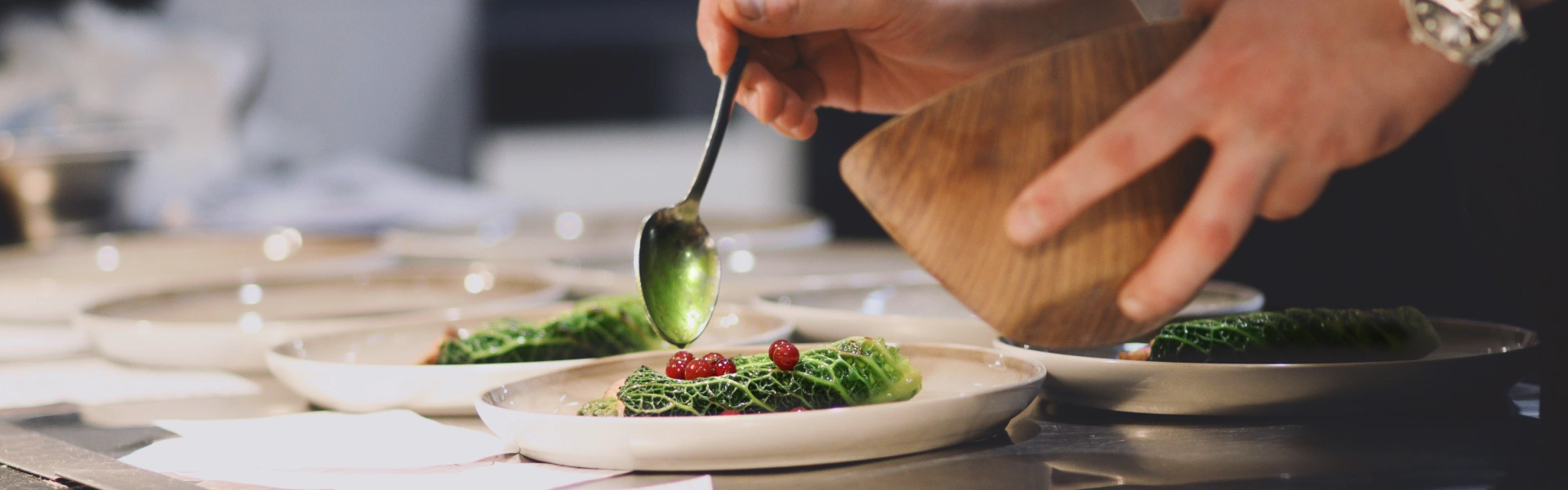
Fine dining trends change the way we experience enjoyment and bring the concepts of high-end gastronomy into the home kitchen. Today the focus is on precise flavours, hand-crafted techniques, and surprising combinations instead of elaborate presentation. Fermentation, fire, and tea have moulded this development: they bring new, sensory experiences and fresh impulses to familiar dishes. Ingredients are carefully selected, flavours specifically constructed, and classics creatively interpreted. This article sets out the principles behind this and how you can integrate these trends into your everyday life.
The key points
- Fine dining trends rely on complex flavours rather than traditional perfection
- Umami and bitterness create more balance and depth in flavour
- Fermentation and maturation intensify flavours in a natural way
- Fire and smoke create characteristic roasted aromas
- Tea as an alternative to alcohol creates new pairing possibilities
Fine dining trends – list of contents
- Umami as a fifth taste in fine dining
- Bitterness as an underrated key to greater depth
- What effect do fermentation and maturation have on flavour?
- What role do fire, smoke, and roasted aromas play in fine dining?
- How does tea as an alternative to alcohol create new possibilities?
- This might also interest you
Umami as a fifth taste in fine dining
Umami is considered the fifth basic taste in addition to sweet, sour, salty, and bitter. The term comes from the Japanese and literally means “tasty” or “delicious”. Umami was discovered in 1908 by the chemist Kikunae Ikeda who identified specific flavour-active substances.
The taste is characterised as hearty, full-bodied, savoury, and deep. Umami is released primarily from naturally occurring substances, such as glutamate, inosinate, and guanylate. These connections are found in food such as parmesan,tomatoes,mushrooms, meat, fish, seaweed, and soy sauce.
The effect on the human body is particularly fascinating: special receptors on the tongue detect glutamate and transmit signals to the brain, where the areas associated with enjoyment and reward are activated. Umami strengthens not only an individual taste, but intensifies the entire perception of the flavour of a dish.
There is also a synergy effect: the combination of glutamate with inosinate or guanylate can also increase the flavour intensity. It is exactly this ability to create depth and complexity that makes umami a central concept in modern cuisine, particularly in plant-based dishes.
Bitterness as an underrated key to greater depth
For a long time bitterness has been the taste to avoid: too harsh, too dominant, presumed to be unbalanced. In modern cuisine, bitterness is used purposefully to give dishes more structure and excitement. Bitter substances that occur naturally in foods such as radicchio, grapefruit, dark chocolate, and coffeeare responsible for this taste and for the characteristic bitter notes.
Its key advantage is in contrast: bitterness acts as a counterpart to sweet, sour, and umami, and brings these tastes out to the full. Instead of standing in the foreground, it ensures balance in the background and stops dishes from being one dimensional.
Bitterness creates new sensory stimuli precisely because it is not immediately pleasant. It makes dishes more complex, more interesting, and often more “grown up”. In fine dining trends it is therefore purposefully used in doses to build up tension and reinterpret familiar flavours.
What effect do fermentation and maturation have on flavour?
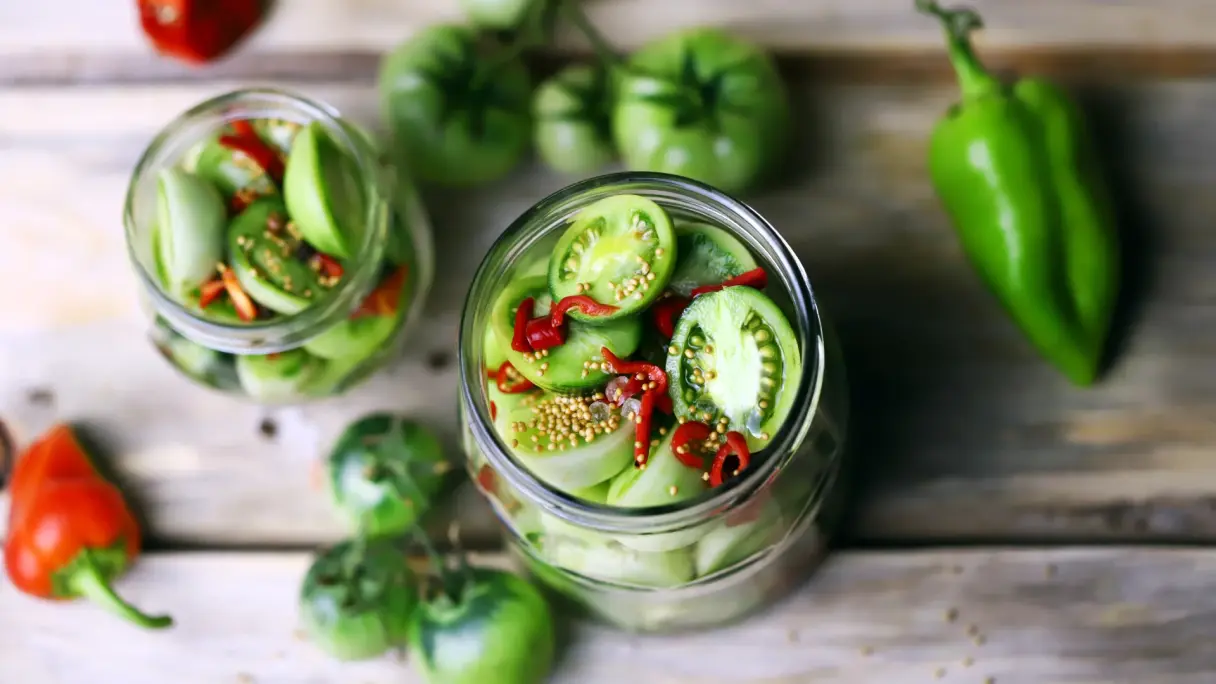
Most flavours don’t arise during cooking, but long before that. More and more top chefs are relying on methods that go beyond actual cooking.
During fermentation microorganisms change food and create new flavour components. Classics like kimchi, miso, and kombucha show how diverse these processes can be and how strongly they influence flavour.
Maturation, in contrast, is controlled biochemical changes, like in cheese, meat, and tea. The two processes have one thing in common: they increase free amino acids, particularly glutamate, and increase the umami taste significantly.
The result is deep, multifaceted flavours and a new dimension to enjoyment. At the same time, fermentation increases shelf life and makes food more versatile.
What does this mean for you? Small additions, like fermented sauces or matured ingredients can enhance a dish immensely. Even simple food gains character and develops a depth of flavour that is usually found in high-end gastronomy.
What role do fire, smoke, and roasted aromas play in fine dining?
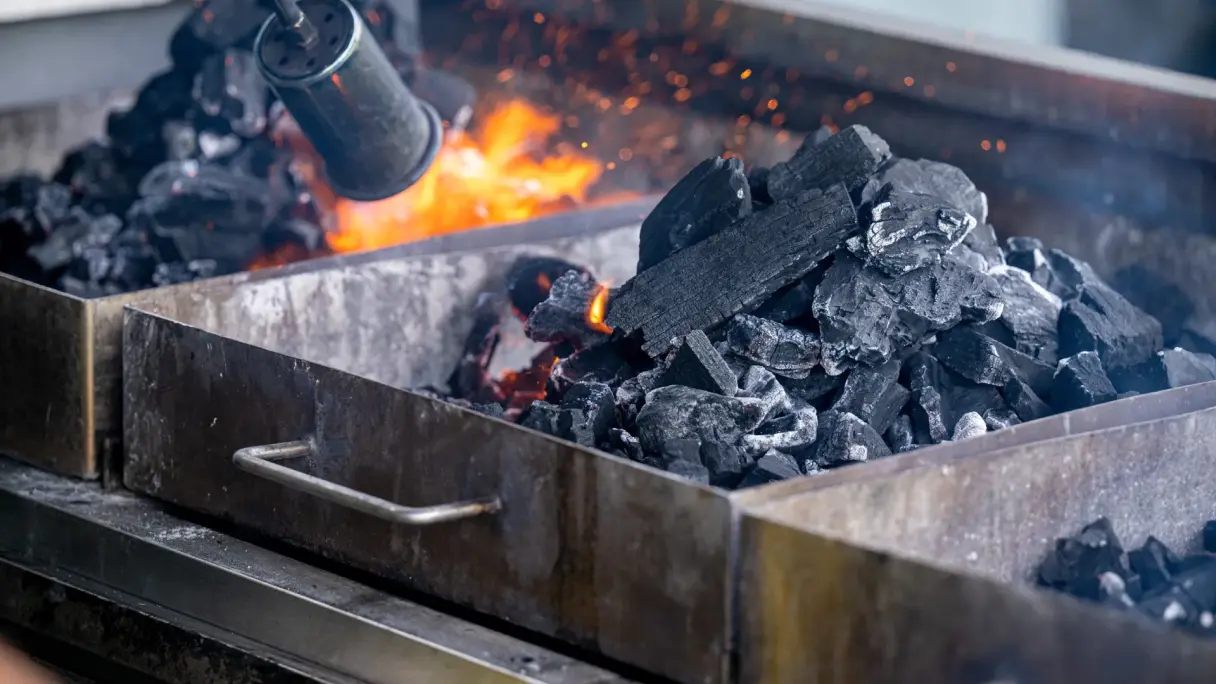
Fire and smoke add an archaic, and at the same time, cutting-edge component to your cuisine. Cooking over an open flame produces temperatures that are hard to reach with traditional methods, and creates intense roasted aromas and complex flavour profiles.
The central process is the Maillard reaction: a chemical reaction between amino acids and sugar that is responsible for the characteristic browning and forming an aromatic crust.
Smoke adds additional nuance to this effect. Different aromas are created by different types of wood: fruity, spicy, and earthy. Applewood creates a sweetness, whereas oak provides stronger notes.
This technique is particularly attractive in modern cuisine as it combines tradition and innovation. These effects can also be applied at home, through purposeful grilling, oven roasting, and using lightly smoked ingredients for a greater depth of flavour.
How does tea as an alternative to alcohol create new possibilities?
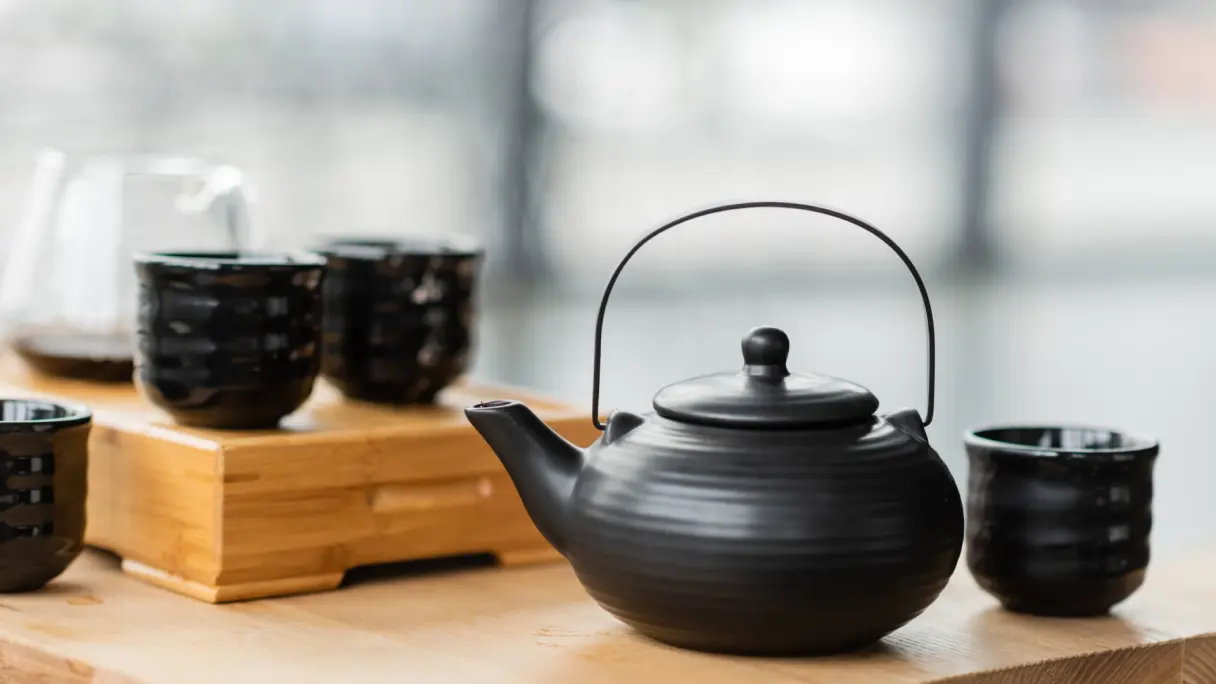
Tea is increasingly becoming a high-quality alternative to alcohol. In tea pairing different types of tea are intentionally combined with dishes, similar to wine, but with an even wider variety of flavour.
Green tea with its fresh, light, herbaceous notes works particularly well with fish, vegetables and light starters.
Oolong tea, which can develop flavours ranging from floral to roasted depending on the level of oxidation, is exquisite with poultry, mushroom dishes, and Asian cuisine.
Strong black teas, however, are good with braised meat and intense sauces, and add structure to complex dishes.
Pu-erh, a matured tea from southern China, has a special place. Its earthy and profound flavours make it ideal for mature cheese and fermented dishes. When combined with fermentation and maturation, this creates an exciting aromatic connection.
Tea is not just an alcohol-free alternative; it’s an opportunity to intentionally support or balance out bitterness, umami, and sweetness. It opens up a new type of enjoyment that brings fine dining to the everyday and creates new, delicious perspectives at the same time.

This text was machine translated from English.