Poultry – the low-fat powerhouse
Chicken or turkey: poultry comes in many varieties and is extremely popular. High in protein and low in fat, poultry is an excellent source of essential nutrients. Read on to find out all about the health benefits of poultry, how to store and prepare it properly, and important hygiene tips to minimise the risk of salmonella. Discover how you can safely and deliciously incorporate poultry into your diet.
Storage time*
| BioFresh Meat & Dairy safe just above 0 °C with low humidity | 6 days |
| Fridge compartment 7 °C | 1 days |
| Freezer compartment -18 °C | 6 months |
The key points
- Poultry is a low-fat and protein-rich source of meat.
- There are different types of poultry, which include chicken, turkey and duck.
- Correct storage in a fridge will extend its shelf life.
- Hygiene is crucial to prevent salmonella.
- Poultry contains important vitamins and minerals.
Poultry – list of contents
- Types of poultry and their husbandry conditions
- Nutritional values and vitamins in poultry
- Health benefits of poultry: why white meat is the better choice
- Shelf life of poultry in the fridge
- Temperature and preparation of poultry
- Hygiene tips for preventing salmonella
- Tasty barbecue marinade for poultry
- This might also interest you
Types of poultry and their husbandry conditions
Poultry includes all types of land and water birds raised for human consumption. Apart from chickens, this includes other types of poultry such as turkeys, ducks, geese, guinea fowl, utility pigeons and pheasants. The way in which poultry is kept plays a decisive role in the quality and taste of the meat. Organic and ecological farming methods offer the animals better living conditions, which has a positive effect on meat quality. Look for products with animal welfare labels that guarantee species-appropriate husbandry conditions. Free range and access to fresh feed are important aspects that not only promote animal welfare but also reduce the environmental impact.
Nutritional values and vitamins in poultry
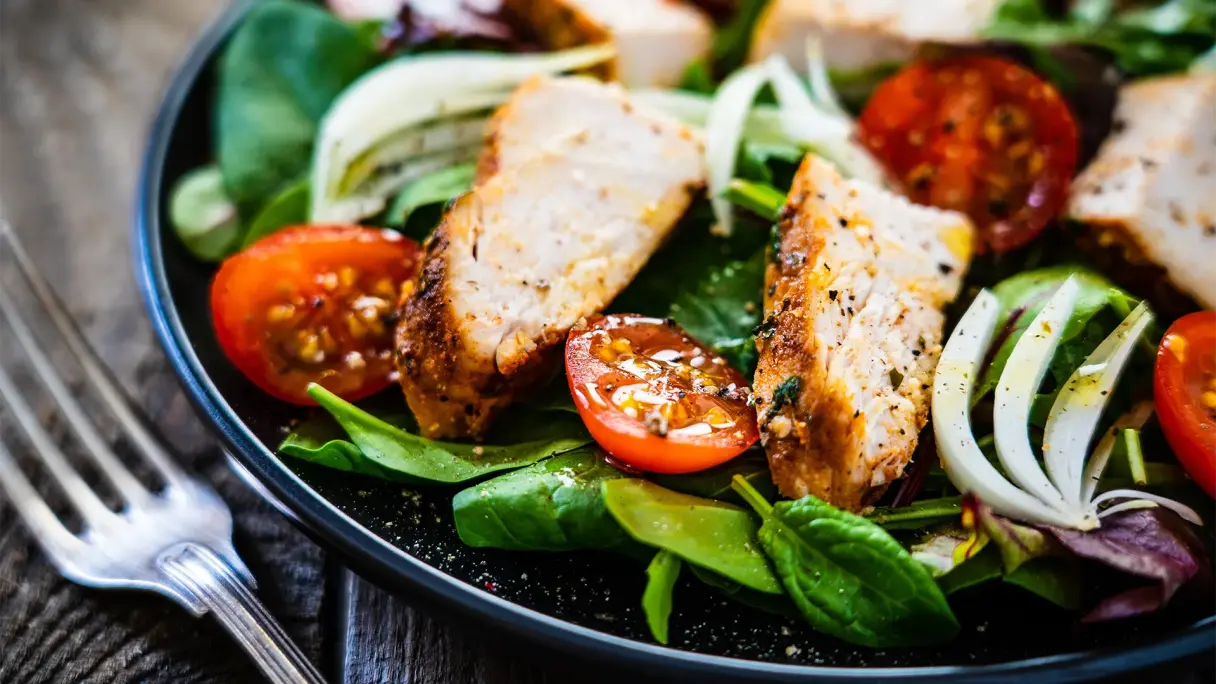
Poultry is not only an excellent source of protein, but also contains important vitamins and minerals. It is rich in B vitamins, especially B1 and B2, which are important for energy metabolism. Poultry also has minerals like potassium and iron, which are vital for blood formation and for the nervous system to work properly. Combine poultry with other foods that contain different protein components to make the most of the nutrients.
Health benefits of poultry: why white meat is the better choice
Poultry is classed as ‘white meat’ and is known for its health benefits. It contains less fat than red meat and is high in protein, which is important for muscle development and overall health. Poultry is also rich in unsaturated fatty acids, which are good for the cardiovascular system. Using cooking methods with little fat, such as grilling or roasting, helps keep calories down while retaining flavour.
Shelf life of poultry in the fridge
Proper storage is crucial for the freshness and safety of poultry. In the Meat & Dairy safe of your Liebherr fridge, poultry can be kept for up to 6 days at temperatures just above 0 °C and low humidity. Remember to cook raw poultry within one day to minimise the risk of spoilage. Cooked poultry should also be consumed within two to three days.
Temperature and preparation of poultry
Special attention must be paid to the temperature when preparing poultry. To ensure that the meat is cooked through and to minimise health risks, the core temperature should be at least 70 °C. Use a roasting thermometer to check the temperature when grilling and roasting.
Hygiene tips for preventing salmonella
To minimise the risk of salmonella, hygiene is essential when preparing poultry. Use smooth, easy-to-clean surfaces and avoid wooden boards, which are difficult to clean. Make sure that raw poultry does not come into contact with any other food. Clean your hands and utensils thoroughly after preparation and change your kitchen towels and sponges regularly to avoid contamination.
Tasty barbecue marinade for poultry
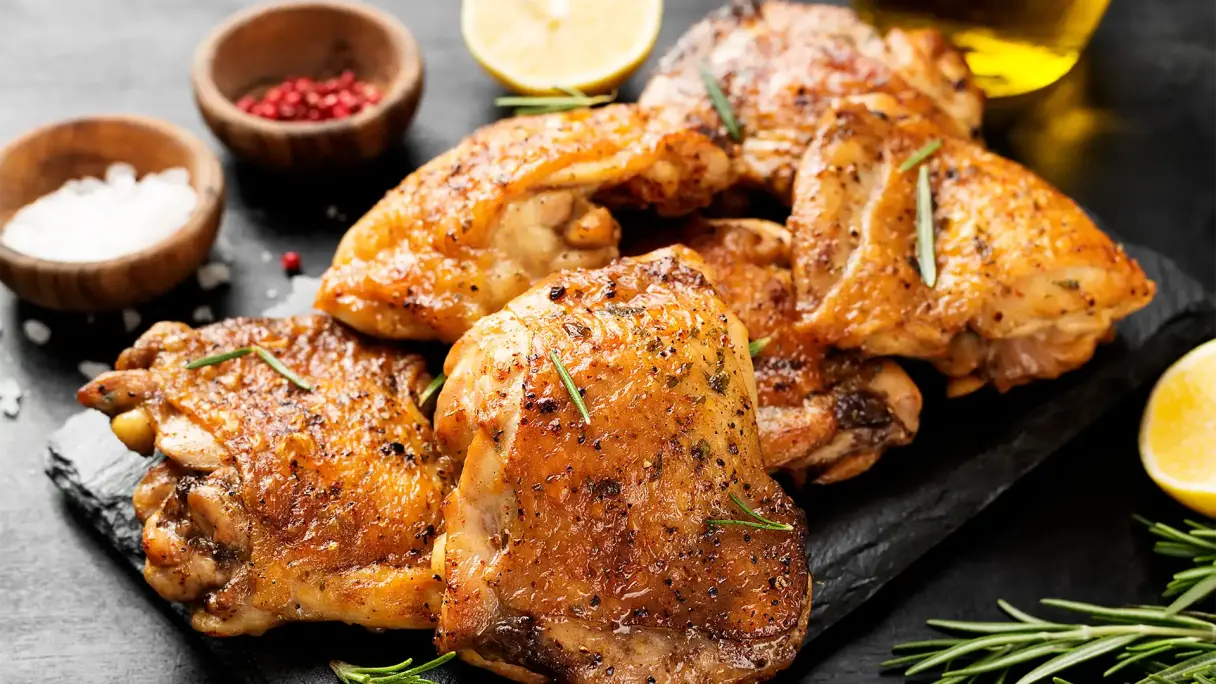
Spicy marinades give poultry an exceptional flavour. Thyme, rosemary, oregano, sage and garlic provide wonderful flavours, while oil keeps the meat juicy. Mix the ingredients in a bowl and marinate the meat for at least three to four hours before barbecuing. Add salt and store covered in the fridge. Before barbecuing, remove any marinade from the meat.
Recipe suggestion for a marinade that adds a touch of the Mediterranean to your barbecue evening
Ingredients:
- 100 g shallots
- 4–5 young garlic cloves
- Some grated lemon zest
- 3 tbsp herbs (rosemary, oregano, thyme, sage)
- 100 ml olive oil
- Coarse sea salt
- Black pepper
The shallots should be cut into thin rings for the marinade, while the garlic cloves can simply be peeled and halved. Bon appétit!
*All specifications given are to be considered as guideline values, and depend in each case on the type of foodstuffs and on the proper storage without interruption of the cold chain from harvest/production through to the Liebherr appliance. Should food products have information about minimum shelf life, the date on the packaging always applies.