Why do some wines go fizzy after you open them?
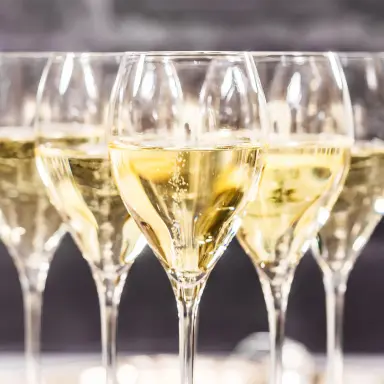
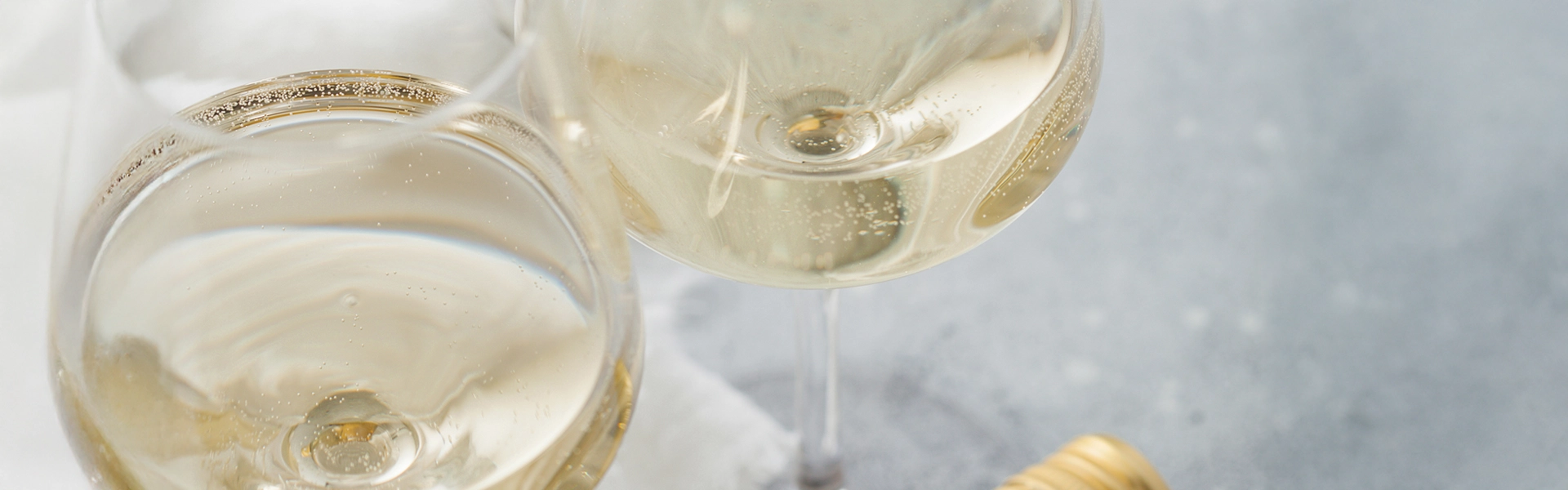
The bottle has been opened and the wine has been poured. But wait, what’s that? In the glass your grape juice has a certain fizz. Small bubbles appear on the surface. How can that be?
The key points
- Fizzing means that carbon dioxide bubbles have formed in the wine.
- Carbon dioxide is produced during fermentation, and some of it remains in the wine.
- Stainless steel containers can hold more CO₂ than wooden barrels.
- Adding fizz is sometimes the aim to give the wine a fresh taste.
- Bubbles can also indicate something is wrong with the wine.
What does it mean if there are carbon dioxide bubbles (fizz) in my wine?
A small amount of fizz is not necessarily unusual in a still wine. When the grape juice ferments into wine, it’s not just the sugar that is converted into alcohol. Carbon dioxide is also produced – a lot of it: in a 1000-litre barrel for a conventional white wine, around 45–50 cubic metres of CO₂ can form during fermentation. Most of this gas usually escapes immediately through the so-called bunghole on the barrel. However, a tiny part of the carbon dioxide is dissolved in the wine and then dissipates gradually as the new wine matures in the barrel.

Fizzy wine: wooden barrel vs stainless steel
However, if the alcoholic fermentation and maturing is completed in containers made of stainless steel instead of in wooden barrels, then the volatile gas is not able to dissipate quite so easily and therefore a certain amount remains in the wine. If the wine is then also bottled soon after fermentation instead of being allowed to mature for a longer period, then it may well be the case that some CO² bubbles appear in the glass when enjoying this wine. This is actually quite often intentional on the part of winemakers, in order to give new wine a particular freshness on the palate.
Fizzy wine: indication of flaws in the wine
In addition to this desirable sparkle, fizz may also point to flaws in the wine which, unfortunately, then have nothing at all to do with the freshness of the grape juice. If, due to poor hygiene for example, fermentation actually begins again in the bottles after bottling the wine, bubbles will also appear later on in the wine. This re-fermentation causes a tainted flavor often reminiscent of sauerkraut.

The author
Frank Kämmer
I have worked for many years in high-end restaurants and during this time became one of the top sommeliers in Europe. In 1996, I achieved the title of Master Sommelier; the highest international qualification in my profession. Today, I primarily work as a consultant in the international wine and gastronomy sector. I have also published numerous books on wines and spirits and was the first German to be accepted into the British Circle of Wine Writers.