

Everything about ginger: discover its effects, storage, and culinary versatility
Ginger is one of the most versatile ingredients in cooking and herbal remedies, combining flavor with health benefits. Ginger can enhance dishes ranging from curries to soups and desserts, and impresses with its fresh spiciness and citrus notes. In this article, you will learn why this rhizome is so special, how to store it properly, and how to use it creatively.
The key points
- Ginger promotes health and aids digestion
- Store in a warm, dry place; freeze or dry for longer shelf life
- Versatile in savory and sweet dishes
Storing ginger – Table of contents
Why is ginger so healthy?

Ginger is one of the oldest and most versatile medicinal and spice plants in the world.
The yellowish-golden rhizome contains numerous bioactive ingredients such as essential oils and pungent substances,in particular gingerols and shogaols.
These compounds have anti-inflammatory properties, promote blood circulation, and stimulate the metabolism. As a result, ginger can strengthen the immune system, relieve nausea, and aid digestion. In traditional Asian medicine, it has been used for centuries as a natural remedy for colds,muscle pain, and motion sickness.
Ginger has also found its place in modern cuisine. Whether freshly grated in curries, in smoothies, as a spicy ingredient in marinades, or as a warming tea with lemon and honey, ginger not only has a distinctive flavor, but also delivers valuable nutrients. Even small amounts every day can promote general well-being.
How do you store ginger properly?
Proper storage is crucial to ensure that the root retains its full flavor and active ingredients. Ginger originates from tropical regions and likes warm, dry conditions. It therefore has no place in the fridge: where condensation forms, causing the root to become damp and promoting mold growth.
It is better to store ginger in a dark,cool place, such as in the cellar, in a bread bin, or in a paper bag at room temperature. This way, it will stay fresh for up to 60 days.
For even longer shelf life, ginger can easily be frozen, cut into thin slices or finely chopped, and stored in an airtight container.
Alternatively, you can dry it or preserve it in honey – this way, you always have an aromatic home remedy for sore throats and cold symptoms at hand.
How can ginger be used creatively in the kitchen?

With its subtle spiciness and fresh citrus notes, it adds depth and vibrancy to dishes – from savory main courses to fruity desserts and drinks.
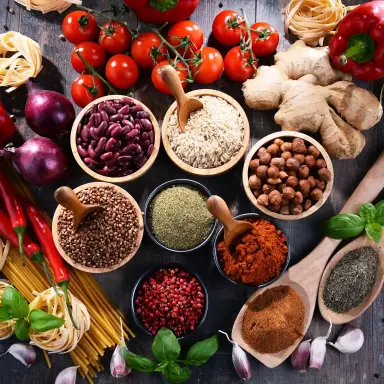
Depending on how it is prepared, the rhizome develops a different aroma: if heated at the beginning of cooking, it tastes mild and rounded; if added at the end, its spicy heat is retained. In savory dishes, ginger goes particularly well with vegetables,fish,poultry, and legumes. In wok dishes and curries, it forms the aromatic basis of many Asian dishes together with garlic, chili, and soy sauce.
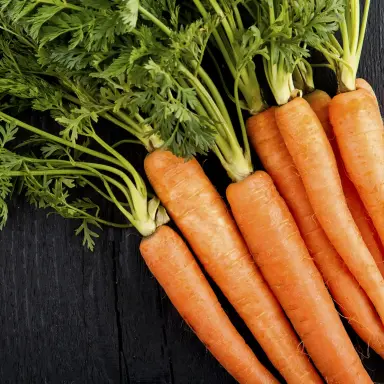
It is also becoming increasingly popular in European recipes – for example, in creamy soups,lentil ragouts, and vegetable stir-fries, where it adds both freshness and flavor. A popular example is carrot and ginger soup: it combines the natural sweetness of carrots with the mild sharpness of ginger and is given a pleasant fruity and spicy flavour by orange juice and curry.
Carrot and ginger soup
Ingredients:
- 700 g carrots
- 1 Onion
- 20 g fresh ginger, finely grated
- 1 litre vegetable stock
- 100 ml freshly squeezed orange juice
- 1 tbsp mild curry powder
- 2 tbsp rapeseed oil
- 1 tsp honey
- Salt, cayenne pepper
- chopped, roasted peanuts and chili flakes for garnishing
Preparation:
1. Peel the carrots and cut them into pieces; dice the onion and finely grate the ginger.
2. Heat the oil, briefly fry the onion, ginger, and curry powder.
3. Add the carrots and stock and cook for about 20 minutes until soft.
4. Stir in the orange juice and honey, then purée until smooth.
5. Season to taste with salt, cayenne pepper and toppings.
The soup is easy to prepare in advance, keeps in the refrigerator for several days and can be frozen in portions. It is light, aromatic and perfect for the colder months.
Ginger also adds enticing accents to sweet dishes: combined with fruits such as mango,apple, or lemon, it adds a refreshing note to desserts and drinks.
Even in baked goods, such as biscuits and cakes, it adds a pleasant warmth and spice.
Whether savory, sweet or fruity: ginger inspires experimentation and turns every meal into a unique taste experience.
This text has been machine translated from English.