

Planning your weekly shop
Planning your weekly shop: if you are the type of person who needs to go shopping several times a week, or even daily, but is always missing something when preparing the next meal, and still has to throw out spoilt food at the end of the week, we have some necessary tips for you here.
The key points
- Make a meal plan and shopping list.
- Compare this list to what you already have.
- Pay attention to what is on your calendar to estimate the time available for weekly shopping and cooking.
- Use individual components of your meal for another meal. For example, use a vegetable side dish twice and only change what you serve it with.
- Take into account how long you can store the food and adjust your meal plan accordingly.
- Know you’re going to be busy? Prepare and freeze meals, so you can create tasty food despite a busy schedule.
Taking individual needs into account in your weekly shop
First things first: every single person has different needs for the weekly shop, and the preparation and flavor of their meals. So you need to work out what your priorities are first.
How many times a week do you want to cook with fresh ingredients? How many people are you cooking for? Do you want to do as little preparation and shopping as possible? Do you want the ingredients to be cheap, local or organic? How much storage space do you have for food, both at room temperature and in the refrigerator and freezer? You need to first answer these questions and then think about the next steps.

Planning your weekly shop: creating a meal plan for the whole week
Depending on the size of your household, it is possible to get all the necessary ingredients in just one weekly shop. To do this, you need to prepare a meal plan for the week in advance. In addition to the hot main meals, you should also consider breakfast, snacks and cold main meals.
For breakfast, snacks, and a cold main meal, you can probably create a relatively standardized list that you can reuse every week. This includes, for example, fruit, porridge, yoghurt and milk for breakfast; bread, spreads, cheese and vegetables for the cold main meal; and other fruits and vegetables, yoghurt or perhaps nuts, dried fruits and corn cakes for the snack cupboard. In the same vein, you can also decide whether you would like to make a list of the things you need on a digital notepad or basic pen and paper.
The list for hot main meals will most likely vary a lot. Before you shop, think about what and how often you want to cook over the next week. Take your schedule into account: what time do you cook? When does it make sense to cook double the amount so that you can have a meal ready to eat the next day when there is no time to cook? How many people will be eating? Will you have any visitors? Are you going to a restaurant?
It may be worth it to integrate individual components into several meals. This may be the case if a dish is planned with a vegetable that cannot be fully used up in one go. A large cabbage, for example, can go into a curry, a casserole and a quiche. This means a varied meal plan can be put together with just a few vegetables throughout the whole week. You can also reuse cooked components. A large portion of ratatouille can be combined with couscous in one meal and then layered between lasagna sheets for the next. This saves you time and energy in front of the cooker.
Take another look at your menu at the end: is it diverse and balanced? According to current recommendations for a balanced diet, you should eat fish once a week. Meat should only appear on your plate twice a week. Eat plant-based sources of protein, such as lentils, beans, chickpeas, tofu or tempeh.
Planning your shopping list and weekly shop
Once the meal plan is ready, you can create a shopping list for your weekly shop. Write down all the ingredients required for the meals. Now check which of the ingredients you have enough of at home. Take these off the list. Grab your shopping list and head to the supermarket. But don’t forget to eat before you go – we all tend to buy more than we actually wanted on an empty stomach!
Try to stick strictly to the shopping list while you’re there. Important things that you forgot when writing the list, such as a new tube of toothpaste, may of course be added to the shopping trolley. However, other impulse purchases should be avoided in the interests of your wallet and preventing food waste. If you are tech-savvy, want to save time, don’t want to carry bags and tend to make impulse purchases, you might be better shopping online. Here, you can order your shopping list and have it delivered to your door with the click of a mouse.
Healthy shopping: 3 tips to help you
We would like to give you three tips to help you shop more consciously.
Freshness is key: buy regional and seasonal food
Regional and seasonal foods are not only fresher, but also contain more nutrients and are often free of harmful substances because they do not have to be transported over long distances. Make sure you know when different fruits and vegetables are in season and buy them at your local farmers' market or from local farmers.
Take a look behind the scenes: read the ingredients
When shopping healthily, you should not only pay attention to the nutrients, but also to the ingredients. Find out about additives that may be contained in food and avoid products with artificial colors, flavors and flavor enhancers. Choose natural products that are free from chemicals.
Organic isn't always better: pay attention to certificates and labels
Organic products are often healthier and better for the environment, but not always. Therefore, look for certificates and labels such as the EU organic logo or the Demeter seal, which guarantee that the products meet strict requirements.
Storing the weekly shop properly
Always pay attention to the right storage location in your refrigerator or freezer, so that you can store your purchases in the best possible way. Throughout the week, consider which foods need to be used most quickly. You can use foods that have a longer shelf life in meals at the end of the week.
If you know that next week will be very stressful and there is little time to shop and cook, you can prepare for that this week. Always cook twice the amount you need and freeze half. For example, fill glass boxes with exactly one portion, so that the next week, you only have to put the frozen meal in the refrigerator the evening before, in order to defrost it overnight. A tasty meal every day helps you cope with the stress of the week!
This might also interest you

Organizing the refrigerator: clear, efficient and smart
From reusable containers to temperature zones: Organising the refrigerator, saving space and keeping food fresh for longer.
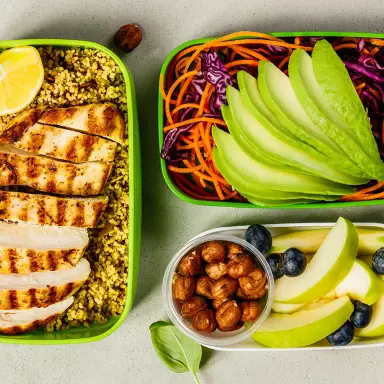
What is meal prep? – It’s this easy to prepare food to eat on the go
You may still ask yourself the question “What is meal prep?”, but you’ll soon be an expert. In this article, we’ll tell you everything you need to know about meal prepping.
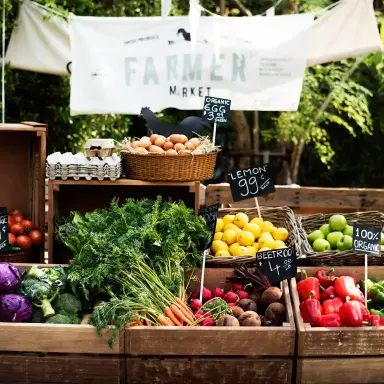
Sustainable nutrition: protect the climate and resources
Eat and enjoy in an environmentally friendly way: find out which foods are suitable for a sustainable diet and how to store them properly.