
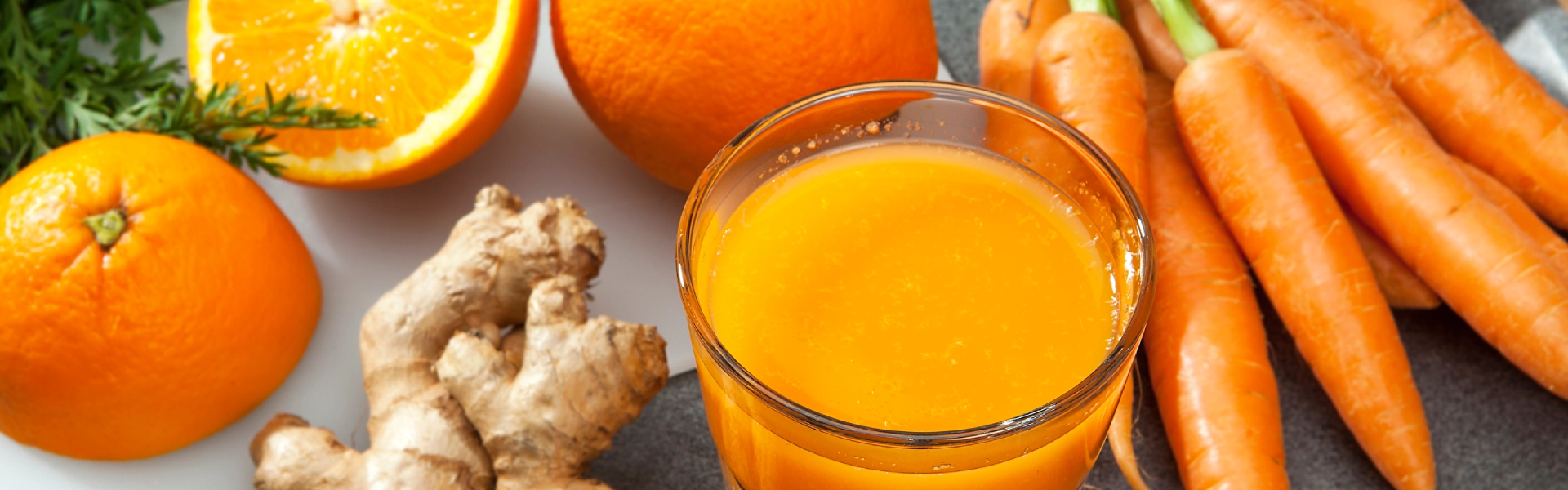
Fasting properly – do we really need to detoxify our bodies?
There are many different reasons for fasting. Some fast for religious reasons, others with the aim of losing weight. But what’s the point of detoxing the body? In this type of fasting, people only consume liquids. We will fill you in on the scientific background to this topic.
Brief overview: does detoxing really make sense?
- Detoxification cures are intended to cleanse the body of ‘toxins’.
- There is no scientific evidence for the existence of such ‘toxins’.
- A healthy body is able to cleanse itself and eliminate harmful substances on its own.
- Potential side effects of fasting include circulatory problems, headaches, muscle cramps or sleep disorders.
- A healthier alternative to fasting is to change your diet in the long term.
Does detoxing really make sense?
Detoxification or purification cures are often cited as a miracle cure for physical illnesses. By consuming only liquids, the body is given the opportunity to cleanse itself and remove harmful substances.
This type of fasting is based on the assumption that the body accumulates ‘toxins’ – harmful substances, toxins or chemicals from food, the environment, or medication. The idea is to eliminate them by abstaining from solid food.
There is no scientific evidence for the existence of such ‘toxins’ or that the body can only detoxify itself through fasting. A healthy body is able to cleanse itself and eliminate harmful substances via the liver, kidneys, intestines and skin even without fasting.
In addition, fasting involves some risks. If symptoms such as circulatory problems, headaches, muscle cramps or sleep disorders occur, fasting should be stopped immediately.
A healthier alternative to fasting is to change your diet in the long term. Eat a balanced diet and include plenty of fresh fruit and vegetables. Eat fewer ready-made products and highly processed foods.
Fasting could serve as a start to a healthier diet, as the sudden big change makes the transition easier for some people.
What to bear in mind when fasting
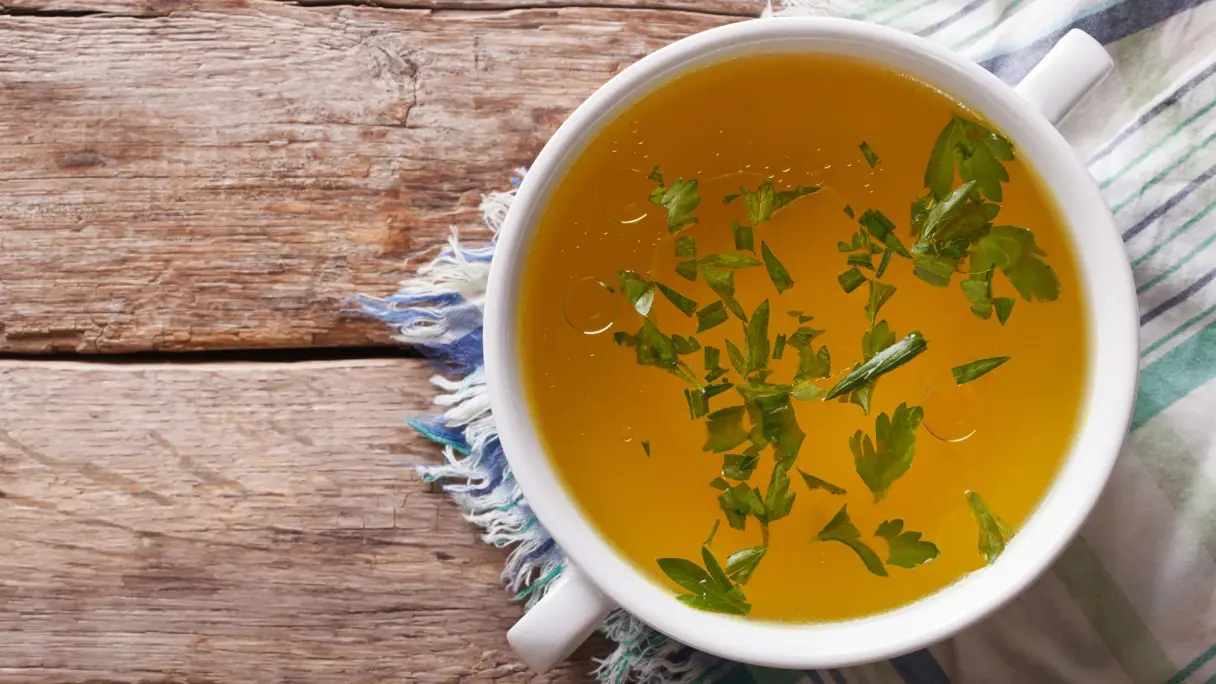
If you decide to fast for a while, there are a few things you should bear in mind. Don’t give up food completely, but eat at least some fruit and vegetables to provide your body with nutrients.
When fasting, it is often recommended to drink broths and vegetable juicesin addition to water. The problem here is that pureeing or juicing the vegetables reduces the fiber content and some healthy vitamins are also lost. In addition, juice satiates you for a shorter time than solid food.
Prepare your own fresh juices. This allows you to retain as many nutrients as possible. Also, make sure that the vegetables do not get too warm when pureeing or juicing, as heat can destroy important nutrients.
To avoid a nutrient deficiency, you should combine as many different types of vegetables as possible. Celery, leafy vegetables, carrots,beetroot, cabbage, and tomatoes work well.
Even during storage, you can ensure that your vegetables stay fresh for longer and retain their nutrients for longer. Vegetables should be stored in a cool, dark and moist place. The vegetable compartment of the refrigerator is best suited for this. You can also wrap the vegetables in a damp cloth to keep them fresh.
With our BioFresh Fruit & Vegetable safe, you save yourself this last step, as our special BioFresh technology permanently ensures vegetable-friendly humidity.
Brief overview: what to bear in mind when fasting
- Eat at least some fruit and vegetables to provide your body with nutrients.
- Prepare your own fresh juices.
- Combine as many different types of vegetables as possible.
- Store your vegetables in a cool, dark and moist place.
- In our BioFresh Fruit & Vegetable safe, your vegetables stay fresh for a particularly long time.
Preparing vegetables gently
To retain more nutrients and stay fuller for longer, you can prepare your vegetables in one of the following ways instead of pureeing them.
Essentially, avoid high heat and a lot of cooking water. Heat destroys important nutrients and when the vegetables are cooked nutrients are transferred to the cooking water.
Steaming the vegetables: put your vegetables in a pan with very little oil or water. Now steam your vegetables for a few minutes over a low to medium heat.
Steam cooking vegetables: you will need either a steamer or a steamer insert for your pot. The great thing about this is that the vegetables do not come into contact with the water and therefore no nutrients are lost to the water. The vegetables are cooked by the rising water vapor.
If you steam or boil your vegetables, you should then use the liquid to get the nutrients it contains. For fasting, you could cook your vegetables in a broth and then eat everything together.
Freeze leftover vegetables straight away to preserve the nutrients for longer.
Brief overview: preparing vegetables gently
- Essentially, avoid high heat and a lot of cooking water.
- Steaming or steam cooking vegetable is particularly good for preserving nutrients.
- Use the liquid from the preparation.
- Freeze leftover vegetables straight away.
This might also interest you
Strengthening your immune system – 10 foods to improve your health
Can you strengthen your immune system by improving your diet? You sure can – and these 10 foods can help you. Read on to find out.
Eat healthily: could food replace medicine?
Find out how eating healthily can boost your well-being. Valuable tips, nutrients and inspiration for a health-conscious lifestyle!

Low carb diet – low carbohydrates, lots of flavor
This is how good a low carb diet can look. Delicious food and practical meals are the key. Read on to find out how.