Nutritional values of grapefruit – this citrus fruit is so healthy
Start the day with a glass of freshly squeezed grapefruit juice. Thanks to its nutritional values, grapefruit is extremely popular with many people as a juicy, sweet and sour, and often bitter citrus fruit. But, aside from the taste, the many health benefits attributed to grapefruit may also be a reason why so many add it to their diet. However, in some cases, caution is advised when consuming grapefruit. Find out interesting and surprising facts about grapefruit and its nutritional values here.
Storage time*
| Larder compartment 12 °C | 42 days |
| EasyFresh safe 7 °C with air regulation plate | 30 days |
| Refrigerator compartment 7 °C | 24 days |
| Freezer compartment -18 °C | 12 months |
The key points
- Low in calories, high in vitamin C: only approx. 38 kcal per 100 g, but rich in vitamin C, folic acid and minerals.
- Health benefits: antioxidants, bitter compounds and flavonoids aid digestion and have anti-inflammatory properties.
- Be careful with medication: ingredients can dangerously influence the effect of certain medicines.
Grapefruit: what are its nutritional values and what varieties are available?
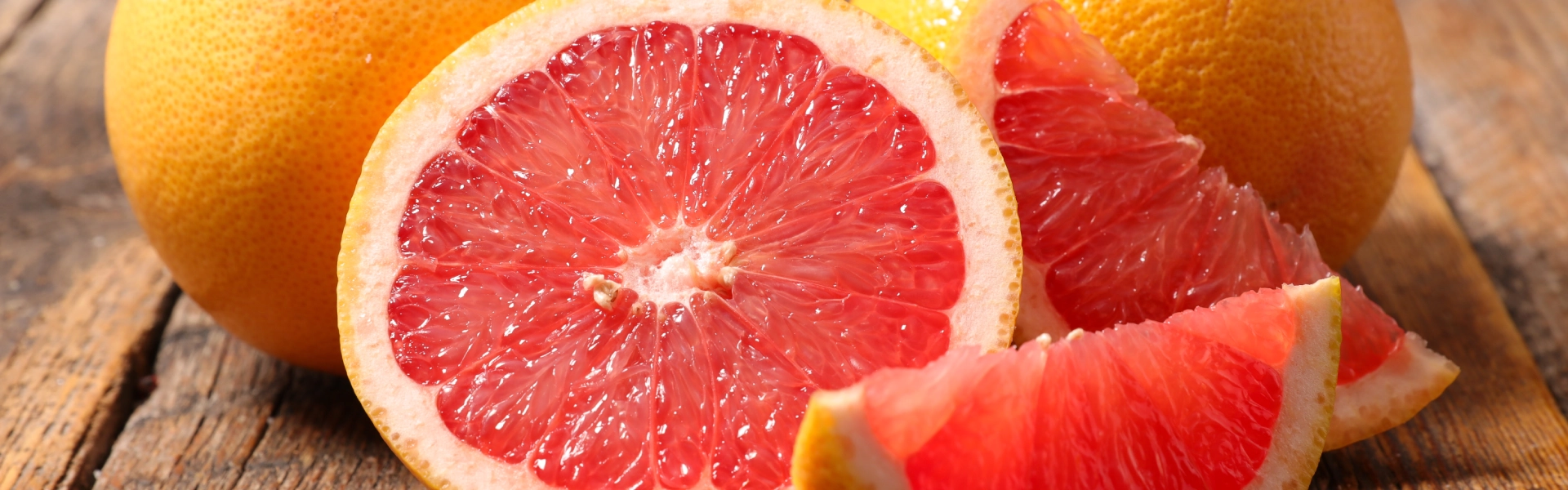
Grapefruit are smaller than pomelo and larger than oranges due to the crossbreeding and weigh between 150 and 450 grams. Shape, color and taste vary considerably depending on the breed and the conditions in which they were grown. So there are all sorts of specimens; some are more round, some are flatter, one sort has a thicker peel, another thinner, and the color can range from light yellow or a reddish-yellow skin. The color of the flesh is light yellow, pink or even pink-red, depending on the variety. And the taste ranges from rather sour to sweet, with a varying degree of bitterness. More intensely colored varieties are much milder in taste. Since the climate has a great influence on the fruit, one particular sort of grapefruit will taste much sweeter, for example, when it is grown in the tropics than when it is grown in the Mediterranean.
Grapefruit not only has a lot to offer in terms of taste, It also has an incredibly high vitamin C content – typical of many citrus fruits. A medium-sized grapefruit covers the daily requirement of 100 milligrams. In addition, grapefruit contain the B vitamin folic acid, as well as various minerals, including potassium, calcium and phosphate. Thanks to large quantities of pectin in the peel, the fruit also has a high fiber content.
The intake of the secondary phytochemicals also found in grapefruit have further health benefits. Grapefruit with pink or red flesh contain the substance lycopene, which is also found in tomatoes and is known for its antioxidant and thus cell-protecting properties. Additionally, bitter substances have a variety of digestive effects and are therefore particularly popular for gastrointestinal complaints.
Grapefruit has only about 38 calories per 100 g, making it particularly low in calories. It contains around 8–9 g of carbohydrates, of which about 6–7 g is sugar, and 1 g of fiber. The fat and protein content is very low, at less than 1 g per 100 g.
What are the effects of grapefruit and how should it be stored?
As healthy as the flesh and juice of grapefruit are, there are some cases where it is strongly advised to avoid this fruit. That’s because the bitter substances contained, such as furanocoumarins and the substance naringin, influence the effect of several medicines. While some drugs have a weakened effect in combination with the bitter substances, the effect of other substances is intensified. As both cases can be dangerous, medical professionals should be consulted regarding grapefruit consumption when taking medication. Particular caution is advised, for example, with antihypertensive medication, heart tablets containing the substance nifedipine, painkillers and sleeping pills, as well as with anti-allergy drugs.
When buying, make sure that the fruit is intact and, for example, does not have any mould or bruises on the skin. Then make sure not to put them at the bottom of the shopping trolley as this will cause bruising, which can make them mouldy more quickly. If you would also like to process the peel, make sure that the fruit has not been waxed. Stay on the safe side with fruits from organic cultivation as the designation "natural" or "untreated" only refers to what happens after picking.
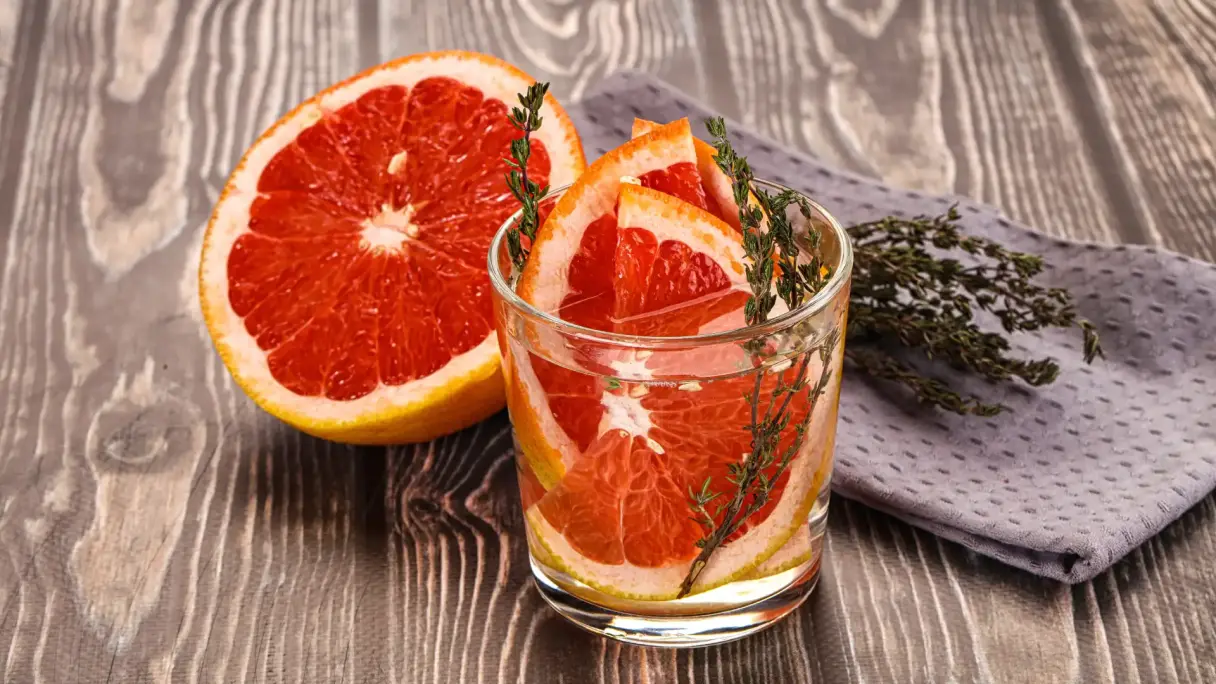
Once home, the question of proper storage naturally arises. Grapefruit does not like temperatures that are too low. At around 7 °C in a standard refrigerator, the storage time is up to 24 days, depending on the initial condition of the fruit. Grapefruits can even be kept fresh for up to 42 days in the larder compartment of your refrigerator or in the pantry at around 12 °C. However, the fresher the fruit, the better it tastes!
In addition to low temperatures, grapefruit does not like to be stored next to other fruits that continue to ripen. Since it is harvested when fully ripe, it is sensitive to ethylene gas, which is emitted by foods that continue to ripen after being picked, such as apples.
*All specifications given are to be considered as guideline values, and depend in each case on the type of food and on the proper storage without interruption of the cold chain from harvest/production through to the Liebherr appliance. Should food products have information about minimum shelf life, the date on the packaging always applies.