Chili: effect and nutritional values of the spicy chili pepper
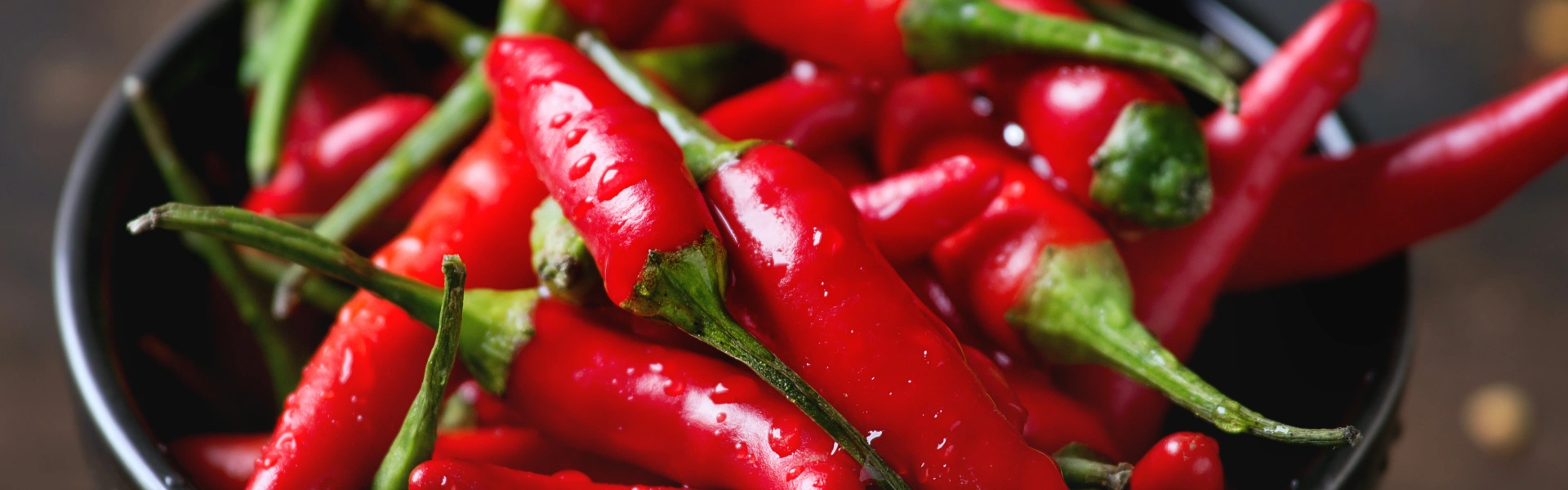
The chili is in a class of its own. Its color, often red, alone sends out a warning. The spiciness of the chili is capable of having a noticeable effect on our bodies. You’ll often notice the capsaicin causing heavy sweating and a burning tongue. Read on to find out how the chili affects you and what nutritional value it has.
Storage time*
| EasyFresh safe 7 °C with air regulation plate | 17 days |
| Refrigerator compartment 7 °C | 14 days |
| Freezer compartment -18 °C | 6 months |
The key points
- Capsaicin is what causes the spiciness.: you will find capsaicin in all types of chilis and it is responsible for the spiciness and your body’s reaction.
- Nutritious despite the heat: chilis contain little energy, but a lot of vitamin C, vitamin A and B vitamins.
- How to deal with the heat: capsaicin is fat-soluble – milk and other foods that are rich in fat can help when things get too spicy.
- Healthy, in moderation: chilis stimulate metabolism and happy hormones. But eating too much can cause irritation.
What nutrients and vitamins do chilis contain?
Chilis come in numerous shapes and colors, which means they come in different spice levels too. They are in the same genus as peppers, known as Capsicum in Latin. This plan genus contains many different species including Capsicum annuum. This encompasses the sweet pepper and various types of chilis. But while the pepper is very mild, chilis are often spicy.
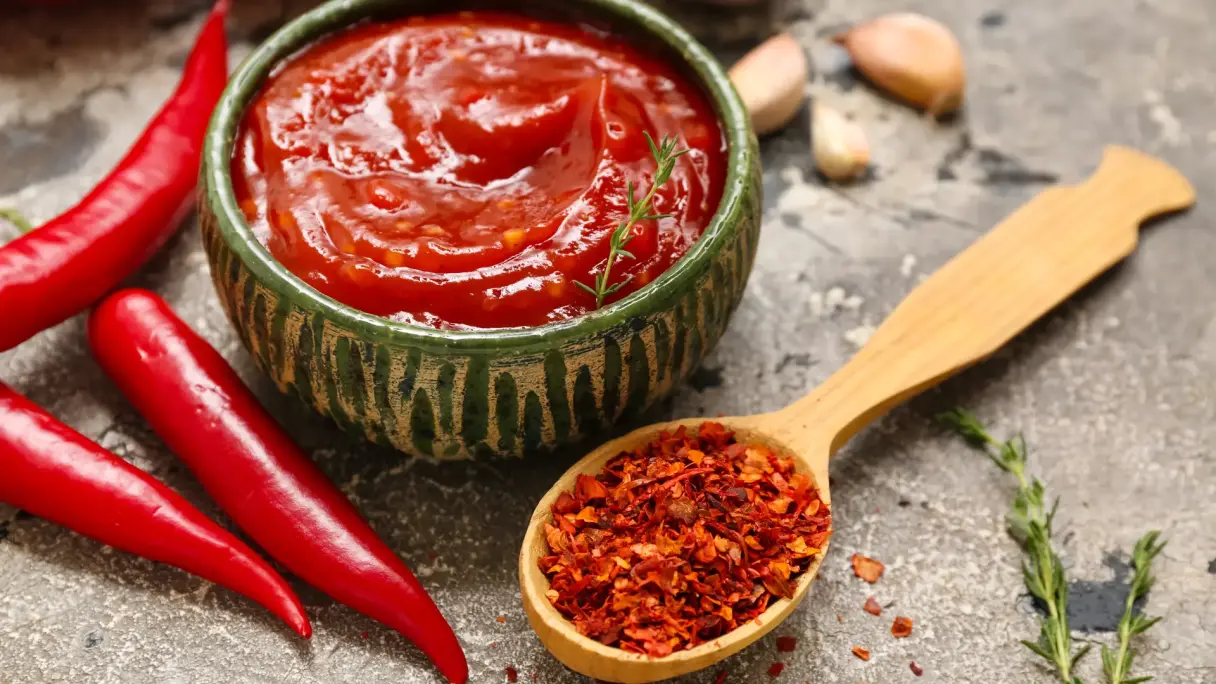
But they’re not only known for their heat; chilis also have impressive nutritional value. The chili contains 40 kcal of energy per 100 g, which is barely anything. But at the same time it contains valuable vitamins including vitamin C, vitamin A and various B vitamins. One fascinating aspect of the chili, and one that is also responsible for its heat, is a chemical compound called capsaicin. All plants in the Capsicum genus contain it and it gives all these fruits their characteristic spice. The more capsaicin a chili contains, the spicier it is. This is measured using the Scoville scale. Capsaicin isn’t spread evenly through the fruit: very high concentrations are in the partitions, seeds, skin and flesh. So if you remove the seeds and inner membrane you can reduce the spiciness of the chili. If the food is spicier than expected however, whatever you do don’t drink water. Foods rich in fat such as milk are much better. The best thing is a drink with a high fat content to effectively reduce the heat.
How healthy is the spicy chili?
Anyone who eats spicy food regularly knows how strongly the body can sometimes react to it. Capsaicin can do a lot to us: it stimulates gastric mobility, dilates blood vessels and boosts metabolism. Often we start to sweat heavily – the body’s reaction to the heat the capsaicin releases. If the substance hits a mucus membrane, a burning sensation is inevitable.
As is so often the case with chilis and their heat: the dose makes the poison. In moderation the effect of chilis is good: it can boost metabolism and the release of endorphins, meaning it can cause happy feelings. However, excessive consumption can impact the mucus membrane in the gastrointestinal tract. It can also harm the liver and kidneys. Incidentally, the body gets used to spicy food and over time doesn’t fire as many neurotransmitters as a reaction to the capsaicin. This means less pain the more often we eat spicy food.
Anyone who enjoys the heat of a chili should know how to properly store them. Fresh chilis can be kept in a fridge for up to 14 days. If you’re prone to forgetting about the chilis in your refrigerator, it’s better to get dried chilis, which can last up to several years stored in a dry place. This lets you enjoy spicy chilis whenever you fancy a bit of heat.
*All specifications given are to be considered as guideline values, and depend in each case on the type of food and on the proper storage without interruption of the cold chain from harvest/production through to the Liebherr appliance. Should food products have information about minimum shelf life, the date on the packaging always applies.