Origin of coriander and why the herb can taste soapy
The origin of coriander is in the Mediterranean region, which is why the spice is traditionally used in both Far Eastern and South American cuisine. However, some people find that the herb tastes soapy. Learn which geneis responsible for the aversion and what health-promoting properties the plant has here.
Storage time*
| BioFresh Fruit & Vegetable safe just above 0 °C with high humidity | 13 days |
| EasyFresh safe 7 °C with air regulation plate | 6 days |
| Refrigerator compartment 7 °C | 3 days |
| Freezer compartment -18 °C | 12 months |
The key points
- Coriander polarizes: some people love the flavor, others find it tastes soapy – a certain gene is responsible for these differing perceptions of coriander.
- Origin and use: coriander originates from the Mediterranean region and the herb is used in a variety of cuisines around the world.
- The soapy flavor: certain people have a genetic variation that reacts particularly sensitively to aldehydes in herbs and distorts the flavor.
- Health booster: coriander contains vitamin C, iron and antioxidants, among other nutrients – both in the fresh herb and in the seeds.
Origin and preparation of coriander
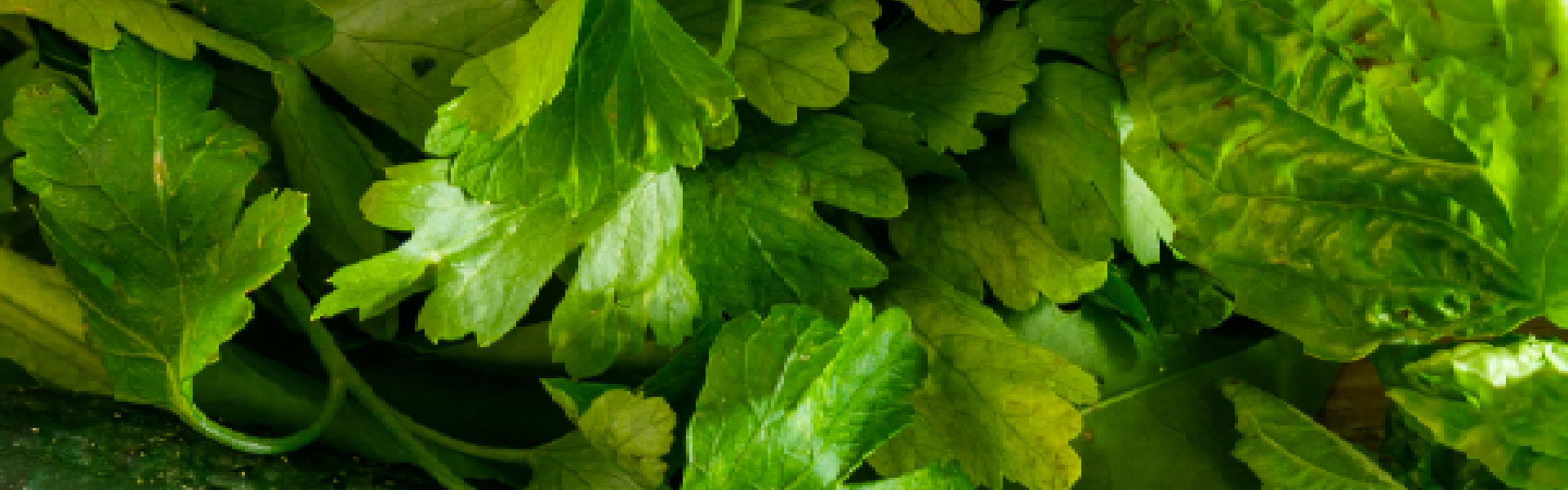
Coriander is an annual belonging to the umbellifer family, where we also get carrots, celery, anise and cumin to name just a few. The plant can be used from head to toe – the fresh herb, seeds and roots can all add a distinctive flavor to dishes.
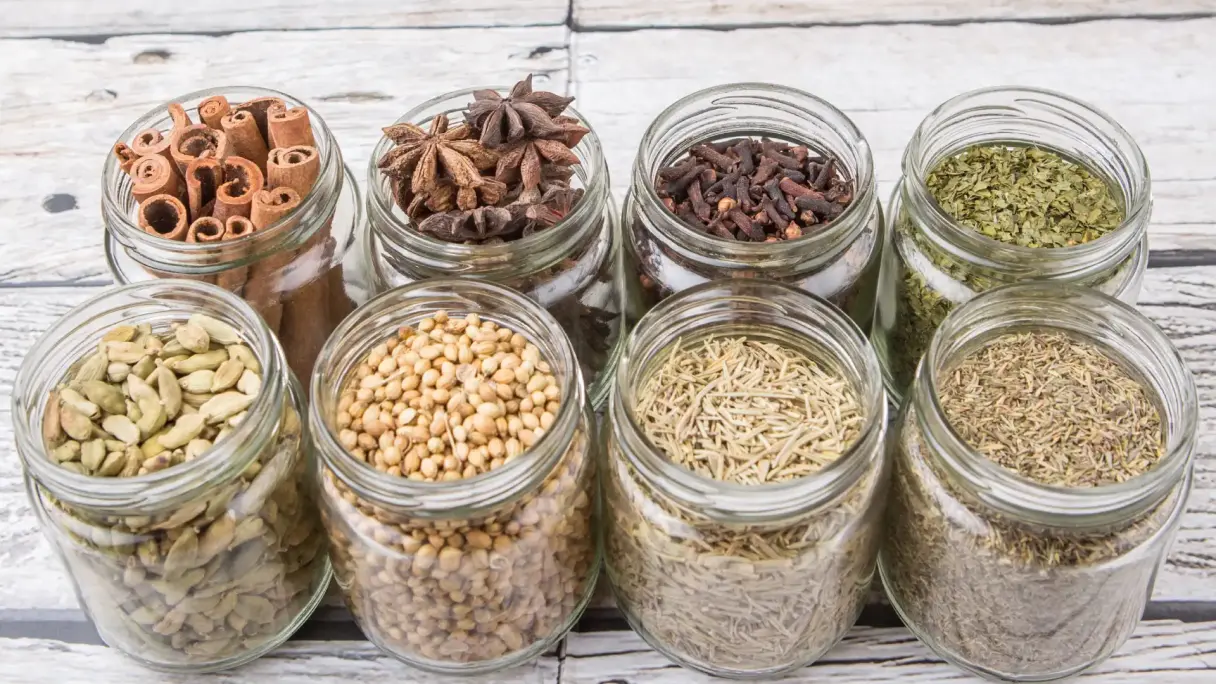
The use of the spice was recorded as early as 5000 BC, so that coriander certainly has a long history. It originates from the area around the Mediterranean and the Middle East. South American cuisine makes use both of the fresh coriander leaves as well as the dried seeds. Coriander has a special place in Indian cuisine. The grains of the coriander are often first roasted in a pan before preparation to let their full aromatic potential emerge. In Middle Eastern cuisines, the combination spice known as baharat is dominated by coriander.
Love it or hate it – the coriander gene is responsible
There are two components involved in some people’s distaste for coriander: One is the flavor of the herb, the second is a human gene that makes coriander taste like soap. Coriander exudes a pungent, slightly fruity fragrance. People with a certain gene, on the other hand, perceive a strong, soap-like odor from coriander. Certain aldehydes present in the herb are responsible for this unique scent.
Scientists wanted to get down to the root of the mystery of the soapy smell of coriander, a study conducted by scientists Nicholas Eriksson, Shirley Wu et al. in 2012 investigated the odor and taste perception of coriander. Those participants who reported experiencing a soapy odor underwent a more precise examination of their olfactory system – the main agent responsible for the perception of scents. This system supports our sense of smell through the use of olfactory receptors. The scientists found that participants with an aversion to coriander possessed an olfactory receptor with a particular genetic variation that other participants did not have. This gene caused certain people to perceive coriander as soapy. Nevertheless, coriander has many nutrients to offer.
Vitamins in coriander and their effects
The leaves and stalk of the coriander herb contain vitamins B1 and B2 as well as provitamin A and iron. The highest value, however, is the vitamin C content of 25 mg per 100 g on average. Coriander seeds also offer amazing benefits. Coriander contains antioxidants and has antimicrobial properties. This is due in part to the presence of essential oils, but also polyphenols, a class of antioxidants. Both components can be found both in the fresh herb as well as in the dried seeds
To ensure that coriander retains its flavor and valuable ingredients for as long as possible, correct storage is crucial. Fresh coriander should ideally be stored in a cool and moist place. Coriander stays fresh for 3 days in the refrigerator compartment. Wrapped in a damp cloth, it keeps a bit longer. A refrigerator with BioFresh technology from Liebherr is particularly suitable for this. The special fresh food compartment offers a constant low temperature just above 0 °C with optimal air humidity. This keeps sensitive herbs such as coriander fresh for much longer than with conventional refrigeration. Coriander stays fresh for 13 days in the BioFresh safe.
Regardless of whether you love or dislike the flavor, it is worth taking a look at the health benefits and the diverse origins of coriander.
*All specifications given are to be considered as guideline values, and depend in each case on the type of food and on the proper storage without interruption of the cold chain from harvest/production through to the Liebherr appliance. Should food products have information about minimum shelf life, the date on the packaging always applies.