
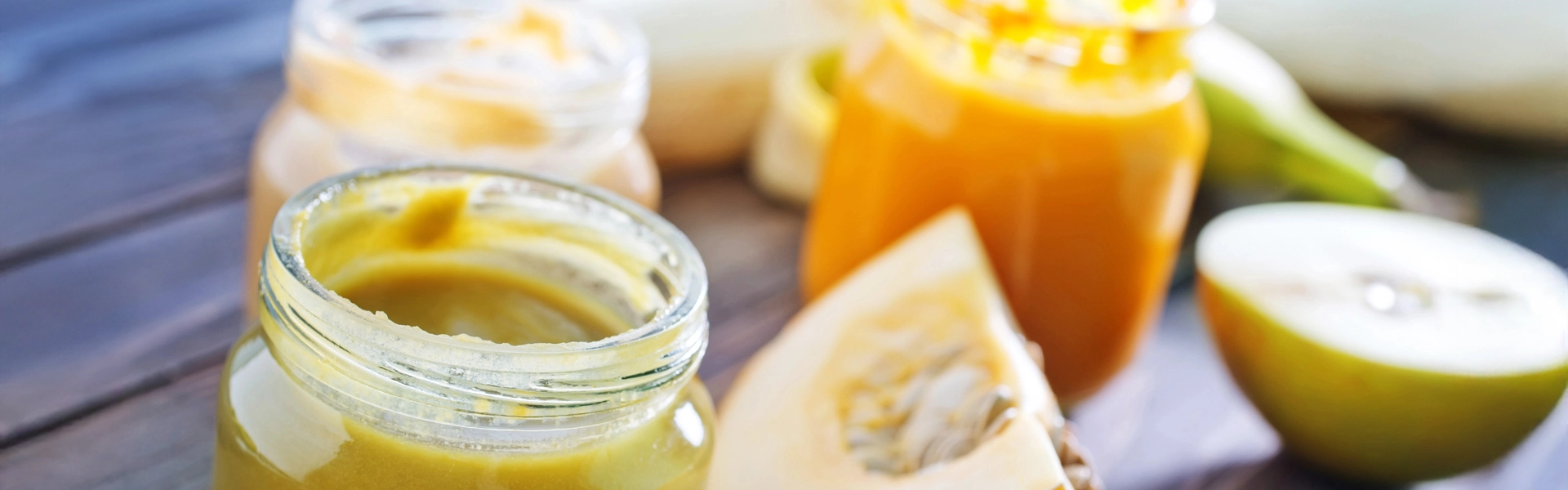
Freezing and defrosting baby food correctly
You’d like to freeze a large amount of baby food and thaw it out in small portions in order to save time and keep as many of those good nutrients intact as possible? This article will provide you with all the important information on the topic of pre-preparing, freezing, thawing and storing baby food.
The key points
- Freeze the meat and the vegetable constituents of baby food separately.
- For the freezing process, use sterile containers that you can seal air-tight and label.
- Don’t freeze food with high nitrate content such as beetroot, spinach or fennel.
- Baby food can be gently defrosted overnight in a fridge.
- You can also warm up your baby food in a baby food warmer, over a water bath or in a microwave.
Freezing and thawing baby food right – list of contents
Pre-prepare baby food yourself or just buy it?
As soon as parents start their children on solids, the question arises: Do we make the baby food ourselves or do we just buy it? And if we do it ourselves, what sorts of vegetables should we be using? Purées become an option starting at about five or six months. These are often meat/veg/potato mixtures to which you can add carrots, courgettes or parsnip, to name just a few vegetables. Later on you can add potatoes and rapeseed oil and, even later still, lean meats. It’s generally a good idea to give these purées to your infant at midday to ensure better sleep at night. For a vegetarian or vegan alternative, try replacing meat with pulses or tofu, but sit down with your paediatrician for a full consultation before attempting to make your own baby food. In general, vegetarian or vegan diets are not recommended for pregnant mothers and infants.
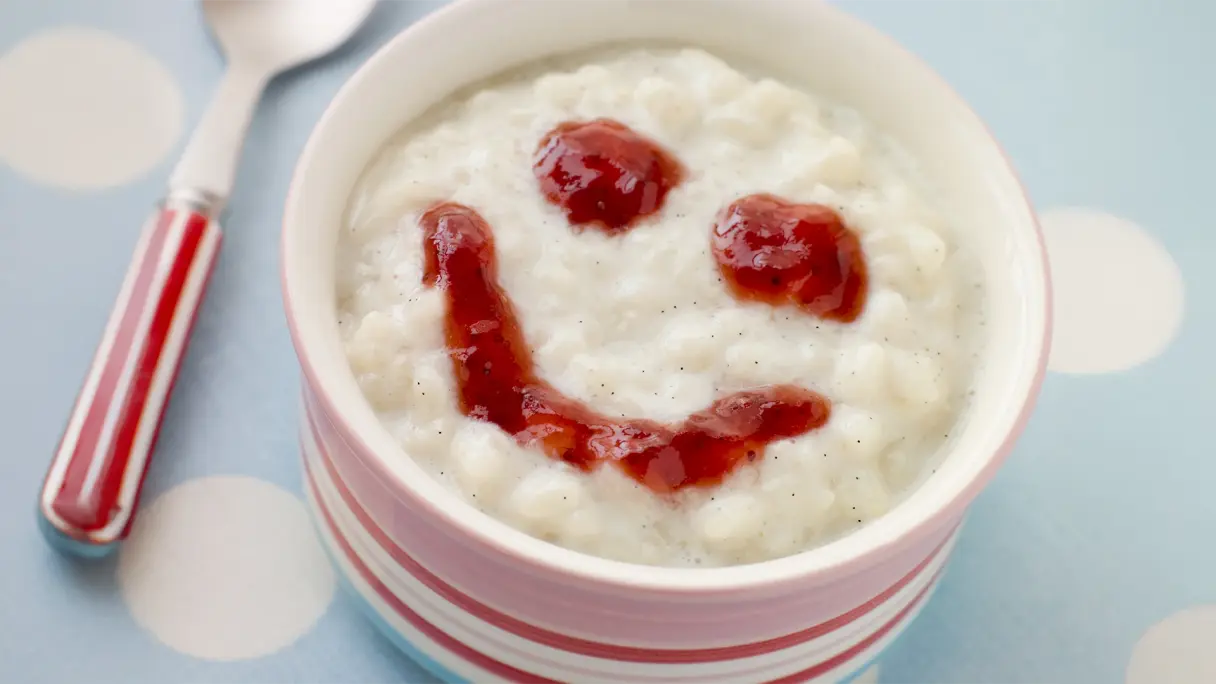
About a month later, you can introduce a second type of purée based on milk and grains in the evenings. For this, a porridge made of (whole grain) flakes along with pasteurised or ultra-heat treated cow’s milk are excellent options. In order to ensure good iron absorption, other mealtimes should not contain milk. One month later still however, you can start introducing grain/fruit mixtures in the afternoons.
Why it’s a good idea to pre-prepare your baby food
In the interest of reducing the stress of preparing food for your infant every single day, you may want to consider pre-preparing large amounts and different types of baby food and then freezing it. And you’re also reducing your overall energy consumption by not constantly cooking smaller portions. Not to mention making baby food yourself also saves additional resources as opposed to ready-made baby food as it involves fewer jars and less transportation. Another advantage: vegetables that are no longer at their absolute freshest can still be made into an excellent purée, thus saving them from the bin. Questionable or rotten food should of course never end up in your infant’s food, and it is also not recommended to freeze the milk/grain mixture, as there is a higher risk of germ formation.
Freezing baby food
When pre-preparing and freezing baby food, make kitchen hygiene your highest priority. Wash your hands thoroughly before you begin and use separate knives and cutting boards for your meat and your vegetables. You should also thoroughly clean and sterilise the containers you’re going to use to freeze the food before you start. You can basically use any container you have to store and freeze baby food. If you’re unsure, check the bottom of the container for the snowflake symbol. Also remember to use fresh vegetables wherever possible. If you would still rather prefer to use frozen vegetables, be sure to refreeze the finished product as quickly as possible, making sure it doesn’t sit at room temperature for longer periods of time.
You can store your pre-prepared baby food in your freezer up to two months.
With the exception of vegetables containing high levels of nitrates, such as spinach, fennel or beetroot, any sort of vegetable purée can be frozen. Elevated levels of nitrates themselves but also especially nitrite – which is formed by microorganisms when the food is initially heated and then kept warm – is harmful for your baby. In general, baby food should be frozen as soon as possible in order to prevent microorganisms from propagating, which can still happen at room temperature. It’s up to you whether you’d like to add potatoes to the mix, but some babies don’t like thawed potato purée as the consistency changes during the freezing and thawing processes. The starches and stickiness of this tuber as well as its ability to bond with water molecules changes. Our recommendation: add potato to the thawed vegetable purée later. In the future, there will probably be types of potatoes that are better suited to freezing, but the potatoes readily available in the supermarket today are generally not bred for this quality
Rapeseed oil should also be added to the mixture after it has been thawed, as it also changes the consistency. You may want to consider adding 30 g of meat to the vegetable/potato purée two to three times a week. The meat should therefore be frozen separately from the vegetable purée or cooked fresh.
Thawing baby food
Whenever you need a portion of baby food, you can thaw it out overnight in the fridge. You can also warm up and thaw your purée in a baby food warmer or over a water bath. Warming it up in the microwave is also an option. Just make sure you stir the purée thoroughly. Otherwise, it might get too hot in places. In general, you should always check the temperature of the purée before giving it to your baby. In order to avoid the spread of microorganisms, once the purée has been thawed out, you shouldn’t freeze it again.
This might also interest you
Preserving food in the fridge for longer
Most foods can be preserved for longer if they’re stored in the fridge. This is why cool temperatures have an impact on the shelf life of food.
Defrost properly for hygienic enjoyment
We’ve put together some tips on how you can defrost food properly to ensure that, in the case of frozen products, your enjoyment and food safety are not compromised.
Storing tea optimally – in the fridge?
Tea is drunk all over the world. We’ll tell you the best way to store it and the best things you can do with freshly brewed tea. What do you need to watch out for and can you store hot tea in the fridge? Find out more!