Courgette: nutritional values, vitamins and calories of the vegetable
Courgette is a real all-rounder in the kitchen. Whether fried, stuffed or raw in a salad, courgettes are highly nutritious and have a mild flavour with few calories. They are also easy to digest and rich in important vitamins and minerals. We reveal how healthy courgettes really are, what nutritional values they offer and what you should bear in mind when eating them.
Storage time*
| EasyFresh safe 7 °C with air regulation plate | 14 days |
| Fridge compartment 7 °C | 12 days |
| Freezer compartment -18 °C | 4 months |
The key points
- Low in calories, high in vitamins: 100 g courgette contain only 14 kcal – ideal when watching energy levels in your diet.
- Nutritious and versatile: courgette provides vitamin C, folic acid, potassium and more – and tastes great raw, boiled or fried.
- Well-tolerated: thanks to its low fat content and easy digestibility, courgette is particularly gentle on the stomach.
- Recognising bitter substances: if courgette tastes bitter, it should be discarded – cucurbitacins can irritate the stomach and intestines.
What nutrients and vitamins does courgette contain?
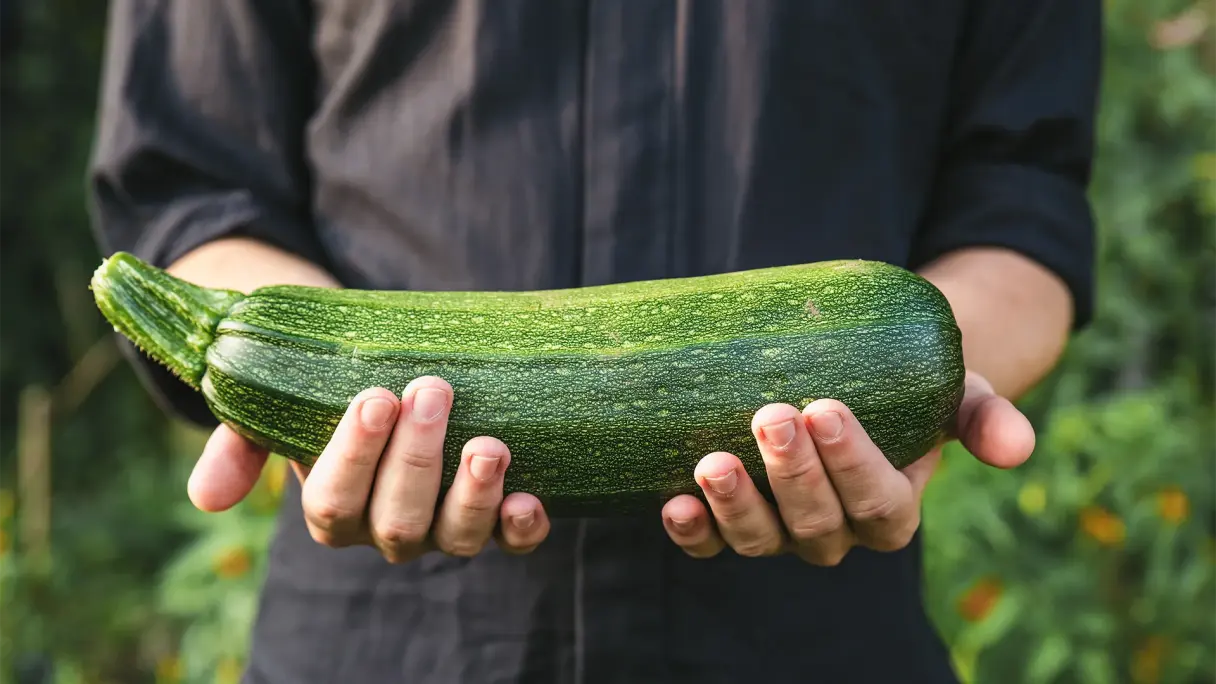
With only 14 calories per 100 g, courgettes are one of the lowest-calorie vegetables. Compared to cucumbers, they do contain less water, but significantly more vitamins and minerals. Particularly noteworthy nutritional values of courgettes include vitamin C and folic acid, as well as minerals such as potassium, calcium, magnesium, phosphorus, manganese, selenium and zinc. This makes courgette an excellent addition to a healthy and balanced diet.
How healthy is courgette?
With its nutritional values, courgette is considered an extremely healthy vegetable. Thanks to its high vitamin and mineral content, eating courgette can support important bodily functions, from immune defence and cell protection to a healthy metabolism. The vitamin C it contains has antioxidant properties, while potassium helps regulate blood pressure. Folic acid can play a crucial role in cell division, which makes it particularly valuable during pregnancy. At the same time, courgettes are very easy to digest and hardly put any strain on the gastrointestinal tract. Their low calorie content also makes them an ideal ingredient in light dishes, diets or for those who are conscious about their nutrition – without having to compromise on taste.
How can you preserve the nutritional value of courgette?
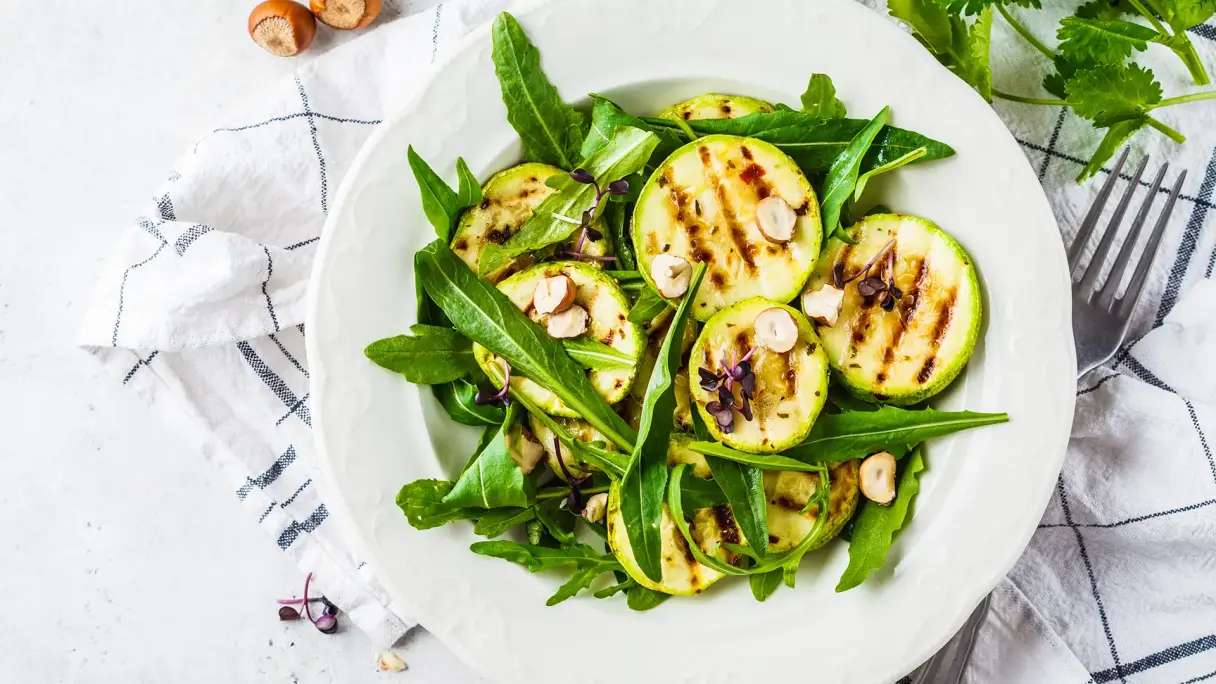
Proper storage plays a crucial role in ensuring that you can enjoy the freshness and nutrients of courgettes for as long as possible. They can be stored in the fridge at 7 °C for about 12 days. The EasyFresh safe in Liebherr appliances is even better: It provides ideal conditions for vegetables, keeping courgettes fresh for up to 14 days. It is important never to pack vegetables in airtight containers – open trays or perforated bags are ideal.
You should also avoid temperatures below 5 °C, as this will cause the flesh to become soft and watery. With proper storage, your courgettes will stay fresh and retain their nutritional value.
Where does courgette come from – and what should you bear in mind when eating it?
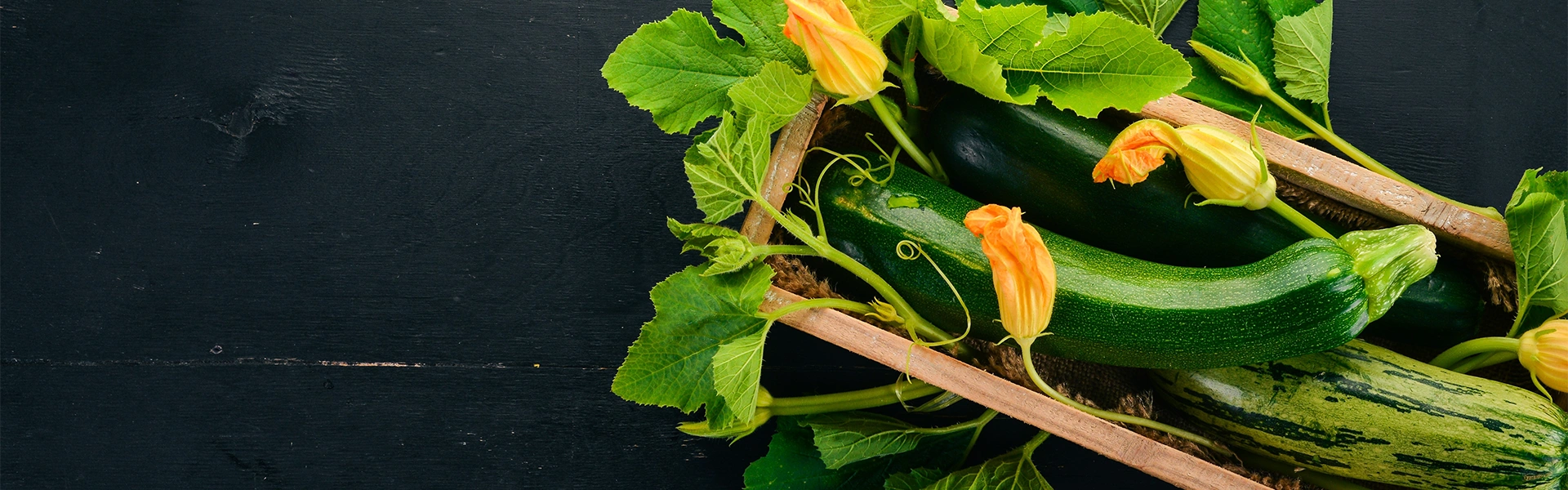
It originates from the West Indies and Mexico and belongs to the pumpkin family. Courgette is very versatile: it can be eaten raw, boiled or fried. Its large yellow flower is also considered an edible delicacy. However, caution is advised if the taste is bitter: This indicates the presence of toxic bitter compounds – known as cucurbitacins – which can irritate the stomach and intestines and are not destroyed by heating. In such cases, the courgette should no longer be consumed.
*All specifications given are to be considered as guideline values, and depend in each case on the type of food and on the proper storage without interruption of the cold chain from harvest/production through to the Liebherr appliance. Should food products have information about minimum shelf life, the date on the packaging always applies.