Steak and its nutritional values: from entrecôtes to rump steaks
When many people think of meat, steak is the first thing that comes to mind. It is usually the highest-quality and most delicious cut of meat. But why is that? What make steak so tender? And what are the differences between the different types such as T-bone, rump steak and rib-eye? Read on to find out the most important facts about steak and its nutritional values.
Storage time*
| BioFresh Meat & Dairy safe just above 0 °C with low humidity | 6 days |
| Fridge compartment 7 °C | 1 day |
| Freezer compartment -18 °C | 12 months |
The key points
- A steak is a slice of meat cut across the grain, usually from beef, with fine marbling and a high fat content.
- High-quality meat often comes from cattle breeds such as Angus, Hereford or Galloway and is characterised by its tenderness and juiciness.
- Well-known steak cuts include rump steak, entrecôte, T-bone or rib eye – with or without bone, depending on the cut and section.
- Steak provides around 250-300 calories per 150 g and contains around 25-30 g of protein as well as important vitamins and minerals.
Steak and nutritional values: what defines good meat
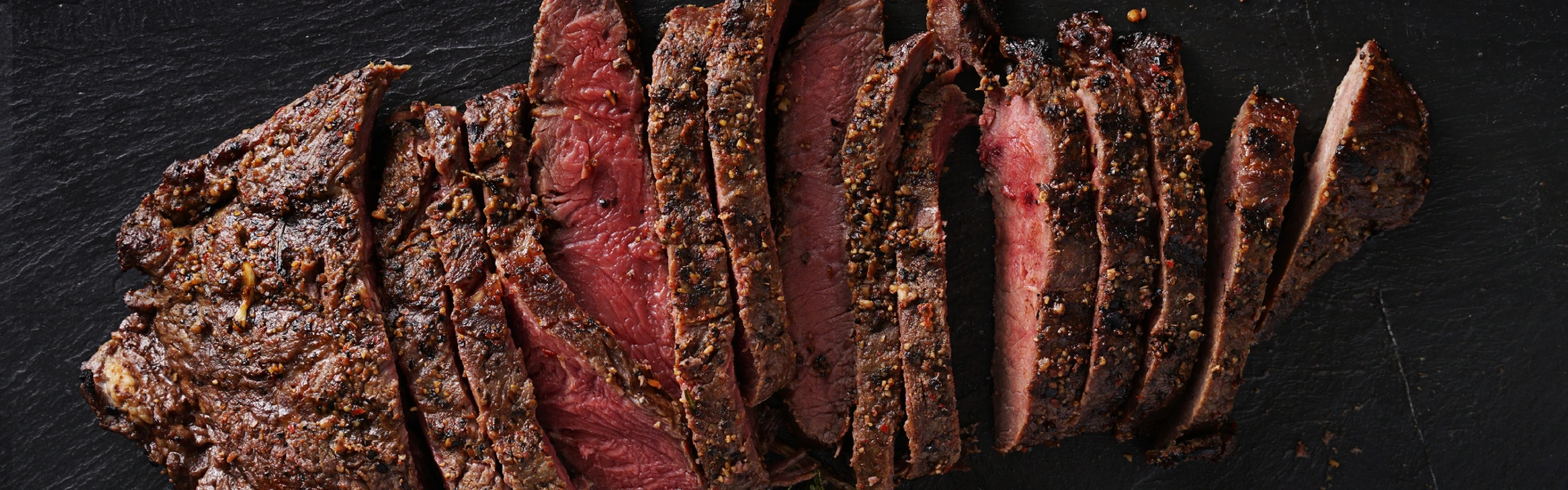
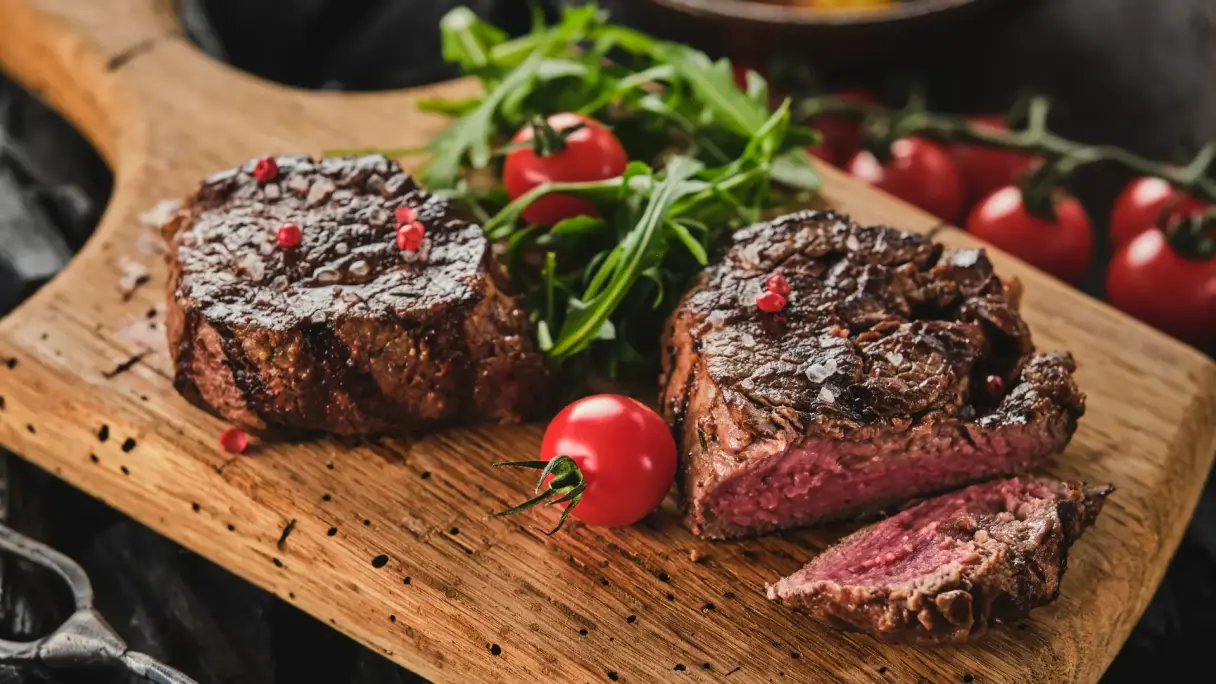
‘Steak’ refers to a slice of unprocessed meat cut across the fibre. Steaks are very low in gristle and have a certain proportion of fat that makes the meat both very aromatic and tender. Particularly high-quality meat can be recognised by its vivid red colour, a tender structure and a fine degree of marbling.
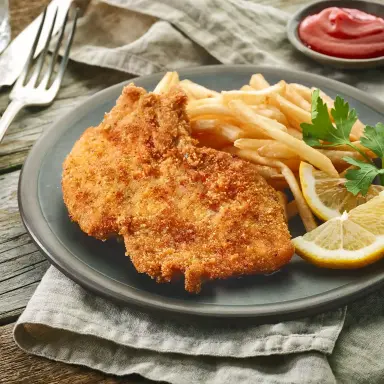
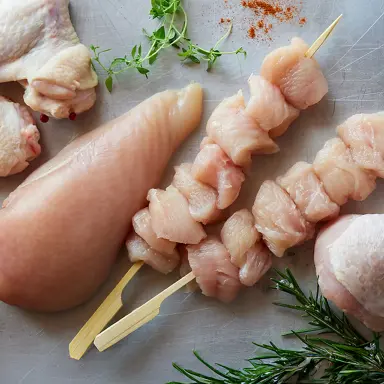
‘Steak’, when used without qualification, usually refers to beef. The term ‘steak’ may also refer to cuts of other meat such as pork, poultry or lamb. These, however, have to be specifically indicated as such. The quality of a beef steak is strongly dependent on the breed of cattle used. The most famous breeds used for steak are Angus, Hereford and Galloway. Their meat has a fine degree of marbling and tastes particularly juicy and tender. The marbling, by the way, is caused by intramuscular fat deposits between the muscle fibres.
The beef is cut into various cuts – the cuts can vary depending on the country and region. Cuts of beef include roast beef, fillet, rib, chuck and neck. Smaller pieces are then cut from the cuts – including steaks. The rump is cut into rump steaks. Steaks such as chateaubriand, tenderloin, filet mignon and tournedos can be cut from the fillet. The roast beef cut, taken from the back, is particularly versatile. Steaks that are usually taken from the roast beef cut include porterhouse, T-bone, rump, entrecôte and rib-eye. Certain steaks, such as T-bone, contain bones, while others, such as rump steak, are bone-free. This depends entirely on the cut.
Storing steak correctly: how to keep your meat full of nutrients
Steak not only stands out for its quality, but also provides valuable nutritional values. 150 g of steak contains around 250–300 calories – depending on the fat content. The high protein content is particularly noteworthy: around 25-30 grams of protein per portion make steak a popular choice for anyone who wants to maintain or build muscle. At the same time, meat provides the body with important vitamins and minerals – especially steak with B vitamins such as B12, which are essential for nerves, blood formation and energy metabolism. Iron, zinc and selenium are also present in significant quantities and contribute to the normal function of the immune system and cell metabolism.
Particularly when it comes to raw meat, many people worry about making a mistake when using fridge storage. The meat only lasts about a day in the regular fridge compartment at 7 °C. In the BioFresh Meat & Dairy safe, on the other hand, steaks can be stored at a temperature of just above 0 °C and low humidity for up to 6 days. Generally speaking, the lower the temperature, the greater the delay in growth of undesirable micro-organisms. If the meat has not been vacuum packed in a protected atmosphere, it should be on a plate and covered with plastic wrap.
*All specifications given are to be considered as guideline values, and depend in each case on the type of food and on the proper storage without interruption of the cold chain from harvest/production through to the Liebherr appliance. Should food products have information about minimum shelf life, the date on the packaging always applies.