
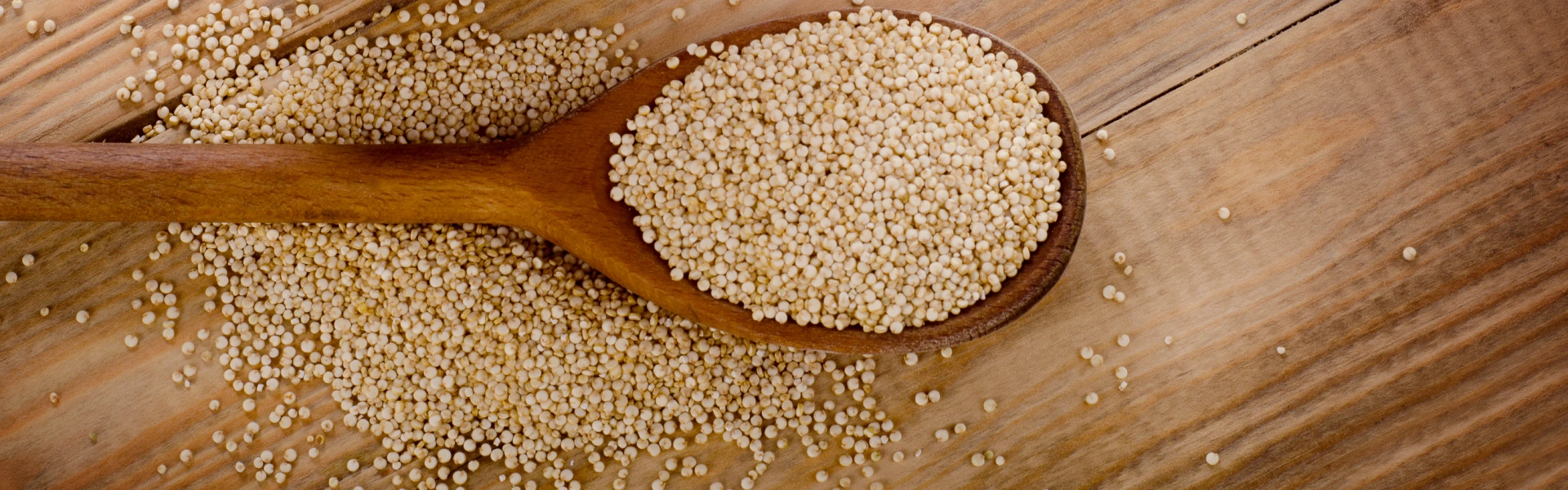
Quinoa: nutritional values and vitamins of the popular superfood
It’s hard to miss the trendy food quinoa and its valuable nutrients these days. Whether in hip vegetarian burgers, at salad bars or in plant milk – the South American plant has come to stay. We’ll explain what is driving this trend and whether quinoa has indeed earned its reputation as a superfood.
The key points
- Origin and classification: quinoa originates from the Andes, belongs to the goosefoot family and is classified as a nutrient-rich pseudocereal.
- Nutrient profile: this superfood scores with high-quality protein, valuable minerals such as iron, zinc, and calcium, as well as healthy, unsaturated fatty acids – and is completely gluten-free.
- Preparation note: before cooking, quinoa should be washed thoroughly to remove saponins; when cooked, it develops a glassy, nutty consistency.
- Use and storage: quinoa can be used in many ways – raw, cooked or as flour – and its fibre supports digestion and intestinal flora.
Quinoa: nutrients – list of contents
Quinoa: origin and nutritional values of the pseudocereal
The quinoa plant has over 100 different varieties and belongs to the goosefoot family. This is important because quinoa is often mistaken for a type of grain, although it is actually a vegetable crop. Quinoa is considered a pseudocereal, as it would have to be a grass species to be a real cereal.
The origin of quinoa lies in Latin America. The indigenous peoples of the Andes mountains have recognised it as a cropfor some 5,000 years. It is precisely this which makes the plant so special, as it thrives in the high mountain regions of the Andes at an altitude of 4,200 metres. Quinoa is still an important staple food in many countries. In the countries where quinoa is grown, the leaves of the plant are eaten as well as the seeds.
Quinoa is becoming increasingly popular and is often called a superfood. However, how much of this is true? The nutritional values of quinoa have a very favourable protein composition with a very high biological value of 83. This indicates how efficiently a dietary protein can be converted into endogenous proteins. The other nutritional values of quinoa also make it a healthy side dish. For example, minerals such as calcium, iron, zinc, potassium, and phosphor are well above the levels contained in wheat. The fats it contains are also valuable, as it contains over 50 percent polyunsaturated fatty acids. Quinoa with its valuable nutritional values is also completely gluten-free, making it a real alternative for people with gluten intolerance.

How to enjoy quinoa and benefit from nutrients and vitamins
Quinoa packaging usually states that it must be washed before consumption. This cooking recommendation is due to the saponins contained in the skin, which taste very bitter. The saponins are one of the plant’s mechanisms to protect it from pests, but are also poisonous to humans in larger quantities. Grains from the supermarket may still contain residues even after industrial processing.
Quinoa should go straight in the pot as soon as it has been washed. After cooking for 15 minutes, the grains have a translucent appearance and the seeds form small white rings around the endosperm. Then you should leave the quinoa for ten minutes to absorb the water and swell up. Cooked quinoa tastes nutty and can be used like rice.
You can also achieve fantastic results by cooking the quinoa in advance the day before or storing portion-sized amounts in your freezer. When uncooked, quinoa is a dry product. If you store the seeds in an airtight container in a cool, dry place they can keep for up to a year and are thus ideal for being a pantry staple. However, you should be aware that quinoa flour is much more sensitive and is best kept in the fridge.
Quinoa can be eaten raw without having any reason to worry, as long as the bitter substances have been rinsed off the skins first, as these would otherwise make it inedible. When processed beforehand, for example as flour or soaked in muesli, the body can absorb all of the nutrients in quinoa. Quinoa can have a positive effect on intestinal flora and bowel movement. With its abundant nutrients, quinoa can rightly be described as a superfood when prepared properly.
This might also interest you
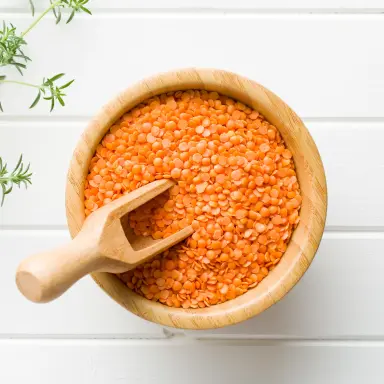
Lentils: good nutritional values in the protein-rich pulses
Green, black or red – the variety of lentils is colourful. Read on to find out more about these healthy pulses and the nutritional value of lentils.
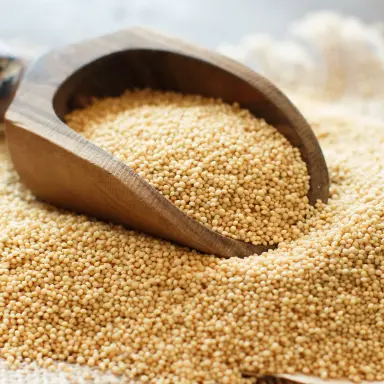
Amaranth: seeds full of nutritional values
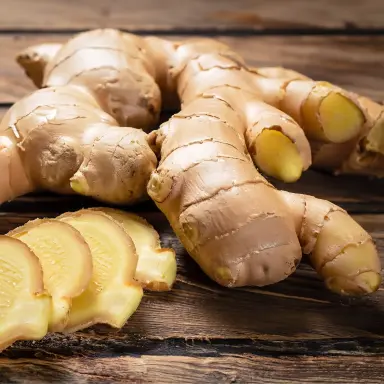
Ginger – effects and preparation
Ginger is widely used as a spice & is also known as a medicinal plant. Discover everything you need to know about its effects, how to prepare it and tasty recipes here!