Lentils: good nutritional values in the protein-rich legumes
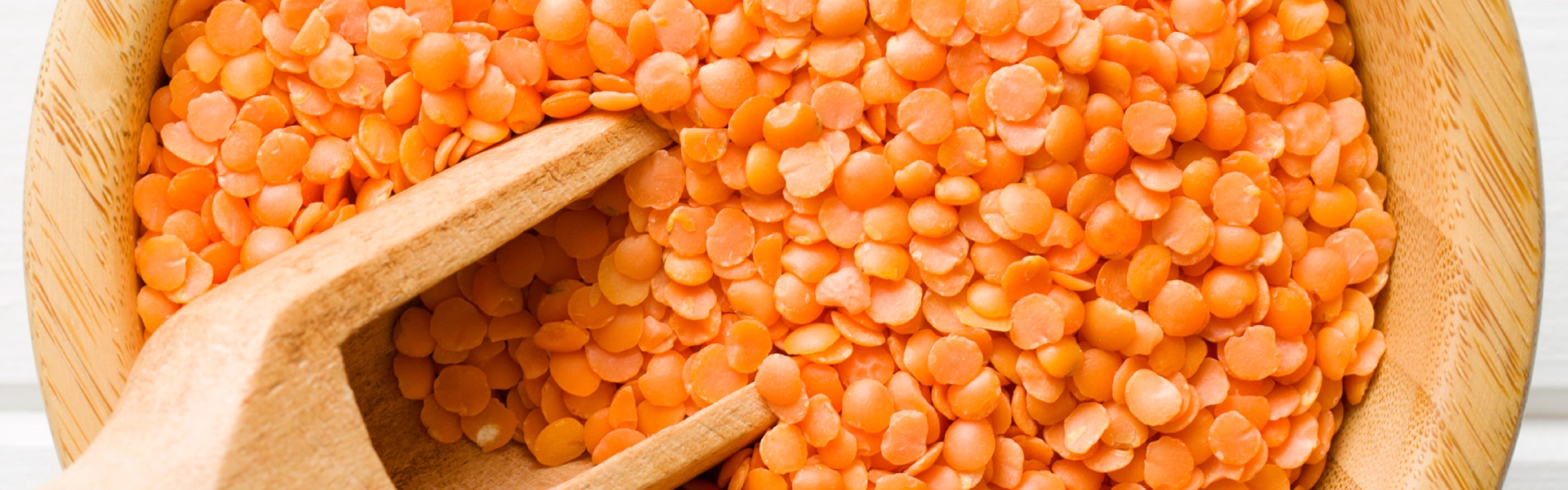
Lentils are back in vogue. Legumes are an ideal supply of protein, they fill you up and stave off feelings of hunger for a long time. The variety of lentils is huge – from the Beluga lentils, red or green lentils, champagne lentils or Pardina lentils. Lentils differ in their properties depending on the variety. We have put together everything you need to know about the seeds and the nutritional values of lentils here.
The key points
- Lentils come in many variants – from beluga to red or Puy lentils – each with different cooking properties.
- Most lentils do not need to be soaked and are ready to eat in 10–30 minutes.
- Dried lentils have an almost unlimited shelf life. Cooked dishes can be stored in the fridge or frozen.
- Lentils have good nutritional values. They are rich in vegetable protein and fibre – ideal for a filling, healthy diet.
Types of lentils: a legume in colourful clothing
The small round seeds of the lentil plant are one of the legumes, also referred to as pods. Besides lentils, legumes include a large number of other agricultural crops, such as green beans, chickpeas, green peas, peanuts and soybeans. The description as a pod tells us all we need to know. The seeds are enclosed in a pod – in the case of lentils, there are two seeds, sometimes only one, three or four. These seeds are dried and then used for cooking.
Commercially, in most cases lentils are distinguished in terms of their size: the smallest lentil has a diameter of less than 4.5 mm. Then come the medium lentils, continental lentils and large lentils with a diameter of 7 mm.
When selecting the variety of lentil for a specific dish, you need to know which properties the different types of lentils have when cooked. There are varieties of lentils which disintegrate quickly when cooking and produce a creamy consistency - these are therefore perfect for soups, stews and purées.
Cooking and preserving lentils
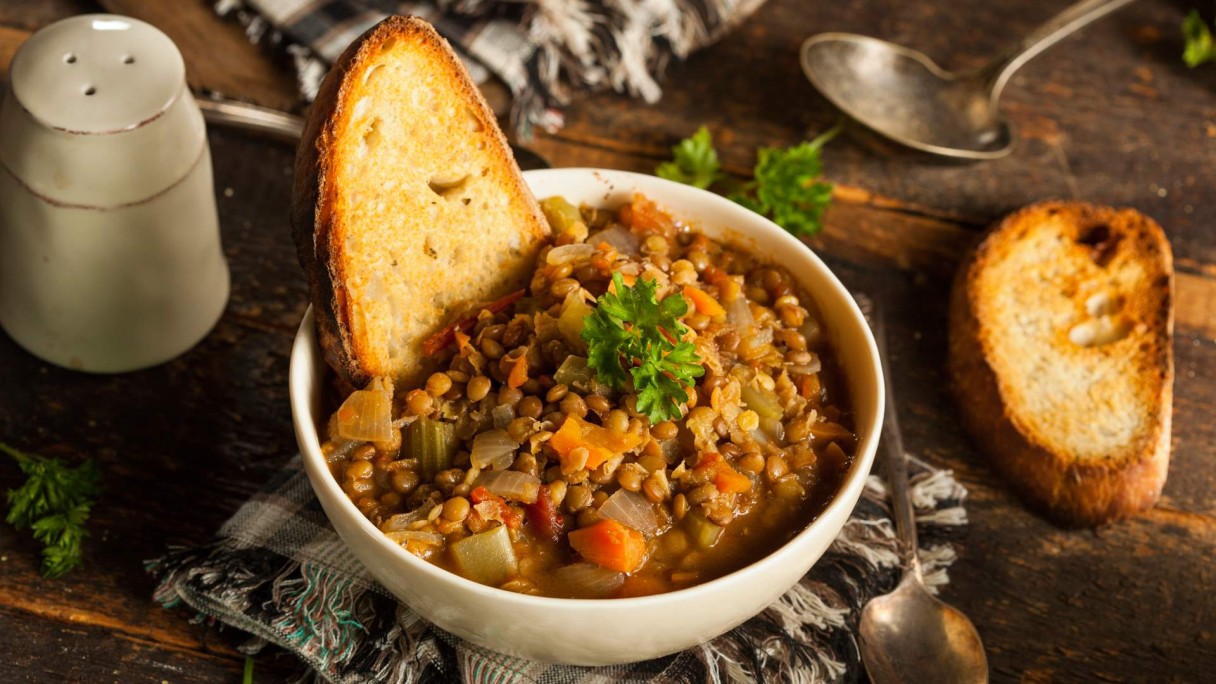
In contrast to other dried legume seeds, one practical advantage of the lentil is that additional soaking is not needed. They are so small and flat that usually a cooking time of 10 to 30 minutes is sufficient. Red lentils cook particularly quickly, so there is no need to soak them beforehand. In this case, it is best to stick to the instructions on the packet. For large lentils and lentils which are already quite old, soaking might make sense, but this always depends on the variety.
Dried lentils will keep virtually forever if kept in a dry and cool location. Once prepared, lentil dishes should be kept in the fridge and consumed within a few days. Lentil stews and soups are also perfect for freezing. So don't be afraid of preparing huge portions and simply storing in the freezer what you don't require.
Are the nutritional values of lentils good for your health? Certainly.
In terms of nutritional value, lentils are absolutely fantastic. Lentils are rich in vitamins, especially in vitamin B1, B6 and folic acid (vitamin B9). They also provide important minerals, such as iron, magnesium and zinc. 100 grams of cooked lentils contain approximately 100 calories, 24 grams of protein, 1.2 grams of fat and 11 grams of fibre. In comparison, 100 grams of potatoes contain only 2 grams of protein and rice 7 grams. Plant-based protein sources are rare, which is why lentils are such a great addition to recipes.
Thanks to their high fibre content, lentils fill you up for a long time. This is why they are often referred to colloquially as “good carbohydrates” – the body struggles to metabolise this type of carbohydrate, if indeed this occurs at all, which means it stays in your stomach and is why you feel full up.
For many, a slightly more bothersome issue associated with fibre is the flatulence inducing effect of lentils. Stomach aches and flatulence are caused when the indigestible elements are broken down by bacteria in the intestine and it is this which is associated with these unpleasant consequences. However, if you gradually accustom your body to larger amounts of fibre, the unpleasant effect will slowly diminish and you will benefit from the nutritional value of lentils.
This might also interest you
Low carb diet – low carbohydrates, lots of flavour
This is how good a low carb diet can look. Delicious food and practical meals are the key. Read on to find out how.
Eat healthily: could food replace medicine?
Find out how eating healthily can boost your well-being. Valuable tips, nutrients and inspiration for a health-conscious lifestyle!