Ginger – effects and preparation
Spicy, Asian, festive - an odd collection of terms, don't you agree? But the one thing they have in common is that they describe ginger. A spice that can do much more besides adding a kick to many dishes. Ginger is, in fact, also a home remedy and a cure.
Storage time*
| Larder compartment 12 °C | 60 days |
| Fridge compartment 7 °C | 20 days |
| Freezer compartment -18 °C | 9 months |
The key points
- What we consume are actually only the underground rhizomes of the ginger plant.
- In Asia, it already has a long tradition as a medicinal plant.
- Ginger helps with colds, migraines, menstrual cramps, PMS symptoms and nausea
- You can enjoy ginger as tea or juice, or use it as a spice in cakes, gingerbread or jams
- The longer you store ginger, the spicier it gets.
Ginger – the history of the root
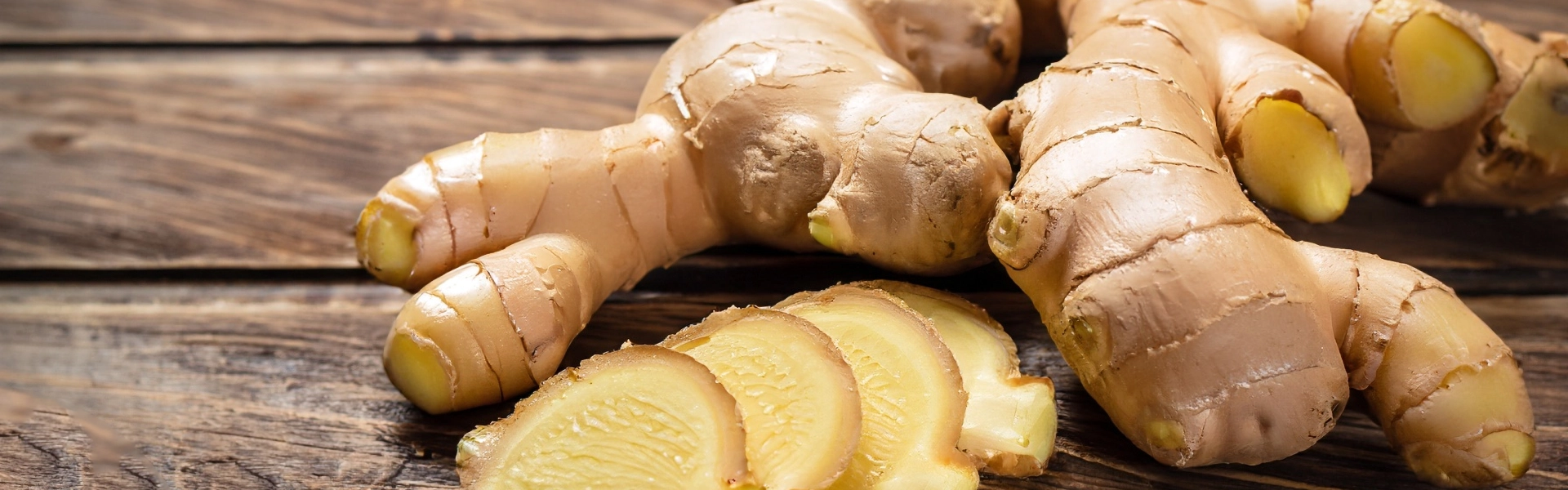
Ginger – a herbaceous plant whose growth is reminiscent of reeds and which grows to a height of approximately one metre. This doesn't sound at all like the thing called “ginger” which we might buy in a supermarket. What we are actually buying is the rhizome of the ginger plant (the scientific name for the plant is Zingiber officinale). Rhizomes are the stems of a plant which grow underground which is why, colloquially, we also refer to root ginger.
The ginger plant loves a tropical climate - it originates from the Pacific Islands and has always been very popular in Asia. It is said to have been used daily in China more than three thousand years ago as a medicinal plant and as a spice. It might therefore even be the oldest of all medicinal plants. It wasn't long however before its international career took off - the keen traveller Marco Polo is believed to have been the first to bring ginger to European soil.
Other sources cite the Romans as being responsible for spreading this knobbly plant throughout Europe. There is no doubt that ginger was established in Germany by the Middle Ages. Warming gingerbread was sold at fairs and the less wealthy levels of society used ginger’s spiciness to season food. At that time pepper was virtually unaffordable.
The effects of ginger – what beneficial properties does this plant have?
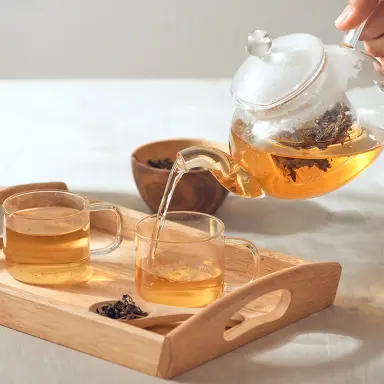
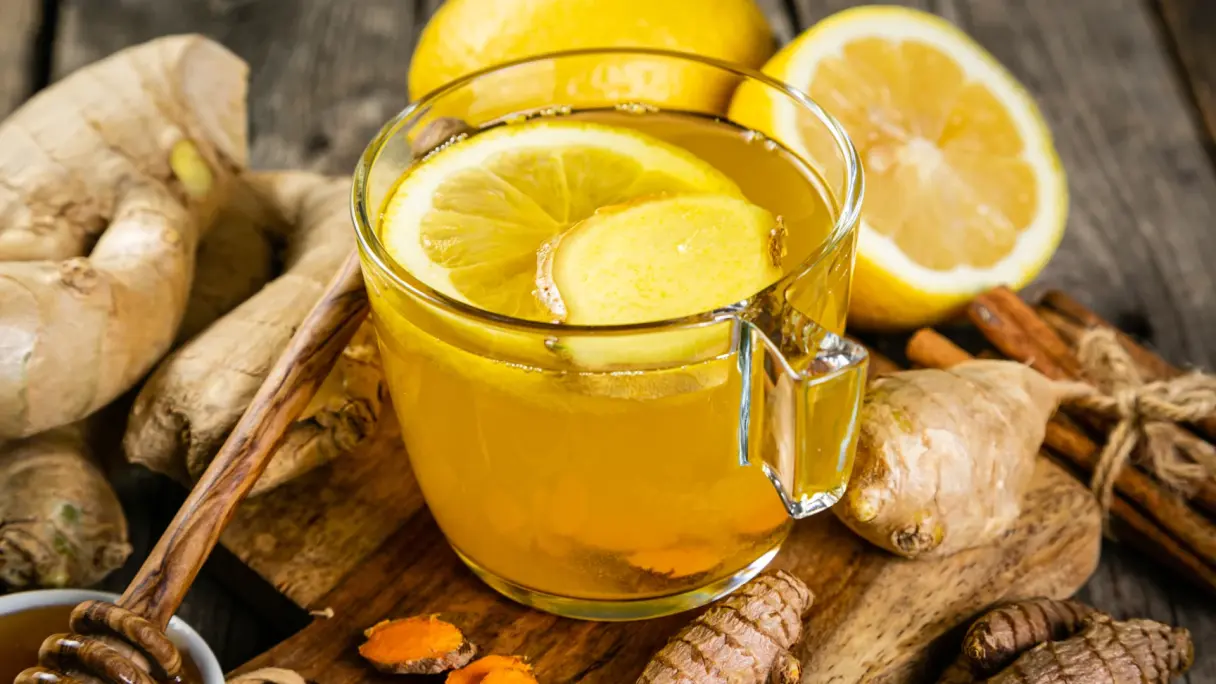
Ginger is usually the first food mentioned when it comes to colds. Enjoy it with a cup of ginger tea. Pour boiling water over the grated or sliced ginger and allow the tea to infuse for at least ten minutes. Depending on your taste, you can refine the tea with lemon juice, mint or a little honey.
Ginger also helps with many other ailments. It helps, for example, when you are suffering from a migraine, where a small amount of ginger powder can be beneficial – a home remedy that has absolutely no negative side effects. Ginger powder can also provide relief for those suffering with menstrual cramps, by both shortening and alleviating the pain. It can also relieve premenstrual symptoms (PMS), so give it a try! And one last tip: try eating a little bit of this knobbly root to alleviate feelings of nausea.
Preparing ginger: a delicious addition to cooking and baking
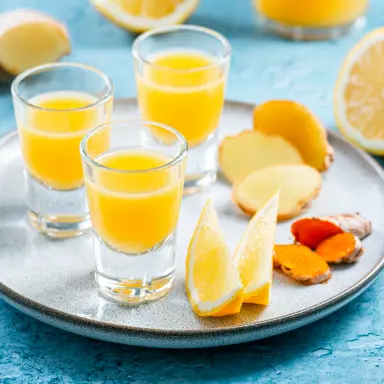
Whether grated, juiced or pickled - there are lots of different ways it can be processed. If you want to use ginger as a spice, then it's best to grate the root – the finer the better. We recommend using a nutmeg or garlic grater for this. Ginger juice is an alternative required in many Asian recipes. For this you take freshly grated ginger, place it in a piece of gauze and press out the juice. You can also often buy ready-prepared ginger juice in supermarkets.
When using ginger, you should always consider the following: do you wish to emphasise the fruity aroma of the root, or give the dish a spicy kick? The longer the ginger simmers away, the more spicy the dish will be. So, if the fruity notes are more important to you, don't add the ginger until near the end of the cooking time.
Ever noticed the whitish looking side dish when eating sushi? These are slices of ginger pickled in vinegar. However, it’s not just in Asian cuisine that ginger has an important role to play as a flavouring component. The English have also been passionate about the knobbly spice for some time. Whether used for cakes and other baked goods as a spice, for marmalades or drinks such as tea – it's often ginger which supplies the necessary kick. Ginger ale is a bitter fizzy drink used in many long drinks - and it's just one example of beverages containing ginger. Candied ginger is a sweet treat. Fresh young ginger is boiled in pieces in syrup and, once dried, covered in sugar.
Storing ginger
You can use fresh ginger for lots of different purposes. The root however always delivers one thing: spiciness. Gingerol is largely responsible for the sharp flavour. Gingerol is a chemical compound that, along with other substances, is responsible for the health effects mentioned in this article. Over time, i.e. when stored for an extended period, its structure changes and it is then referred to as shogaol. And it's not only the name which changes, but also their effect. Shogaols are actually even more spicy. The longer you store ginger, the greater the spiciness of the flavour.
Can you freeze ginger?
It is best to store ginger in a dry, dark, and cool place. A pantry, cellar or larder compartment in your fridge is ideal. The rhizome will remain fresh for up to 60 days in a larder compartment at 12 °C. The rhizome will remain fresh for up to 20 days in the normal fridge compartment at 7 °C. If you want to freeze the ginger, you can also cut it into small pieces or slices and defrost as needed. This way you can store the ginger for up to nine months.
*All specifications given are to be considered as guideline values, and depend in each case on the type of food and on the proper storage without interruption of the cold chain from harvest/production through to the Liebherr appliance. Should food products have information about minimum shelf life, the date on the packaging always applies.