Chayote – nutritional values of the Latin American vegetable
The nutritional values of chayote make this squash a real insider tip for health-conscious cooks. But which parts of the plant offer the most potential – and what should you bear in mind when storing and preparing it? Find out here what chayote has to offer and how you can best preserve its freshness and nutrients.
Storage time*
| EasyFresh safe 7 °C with air regulation plate | 14 days |
| Fridge compartment 7 °C | 12 days |
| Freezer compartment -18 °C | not recommended |
The key points
- The nutritional value of chayote is not only found in the fruit, but also in the skin, leaves and stems.
- With only approx. 20 kcal per 100 g, a high water content and valuable vitamins, it is ideal for a calorie-conscious diet.
- The fruit peel has a diuretic effect and can be eaten if organically grown.
- Chayote can be kept fresh in the fridge for up to 14 days if stored in a cool, dry place without washing.
These parts of the chayote contain the nutritional values
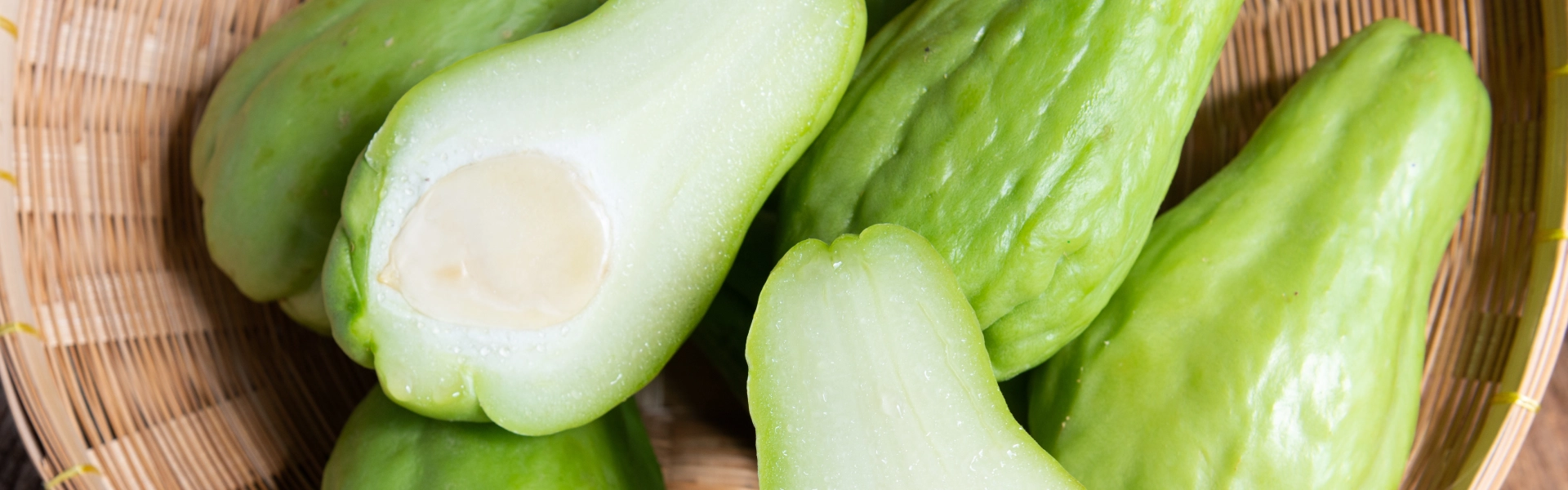
The botanical name of this gourd plant is Sechium edule. The chayote plant bears fruit of the same name which have an oval shape and are green in colour. Depending on the variety, the skin of the fruit is covered with yellow prickles. The exact origin of the fruit is still unclear to this day. The origin of this type of squash is thought to lie in Central and South America – chayote was consumed as far back as the Aztecs who utilised its nutritional values.
The plant rewards its gardeners with a wealth of uses. That’s because not only the fruit flesh is edible, but all parts of the healthy chayote – from the stalks to the leaves and even the skin of the pear-shaped fruit – are also edible. However, the fruit itself is the most popular part of the plant. The leaves and the skin, for example, are used a lot less. Although these parts of the plant have also received attention for their nutritional benefits. That’s because the leaves and skin have diuretic properties and have a positive effect in reducing kidney stones. But you should make sure you buy an organic chayote if you would like to eat the whole of its skin as well. The skin of conventional varieties is often coated with a wax layer and is therefore not suitable for consumption.
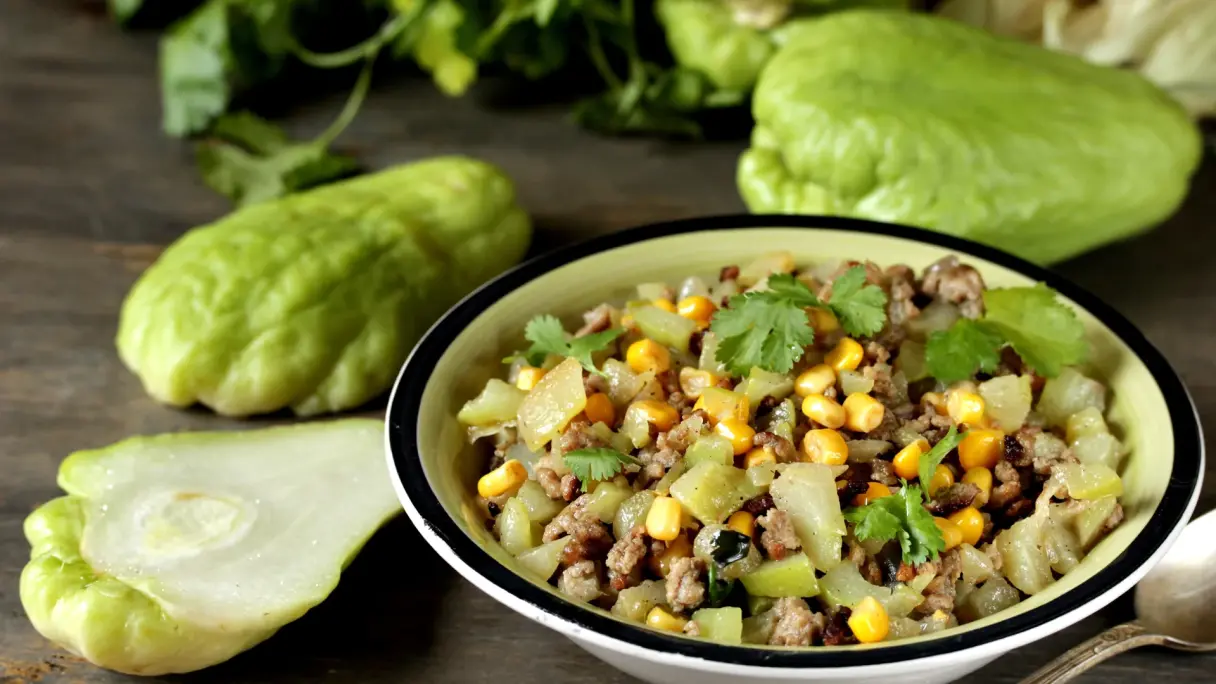
Chayote – what you need to keep in mind
The fruit flesh contains a large amount of water and with an average 20 kcal per 100 grams, it also has a low energy density. Chayote also possesses a large amount of vitamin C and E as well as folic acid. It contains protein, but only in small amounts. Per 100 grams, it contains approximately 0.8 to 1.2 grams of protein. Therefore the fruit provides many nutritional values and few calories, making the chayote an excellent part of a calorie-conscious diet.
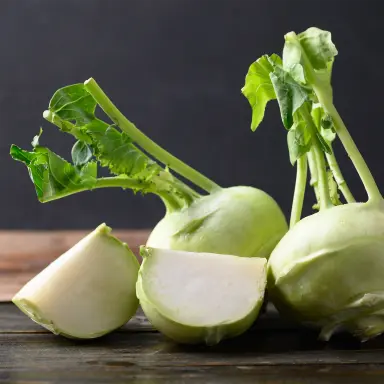
Make sure that the skin has an even colour when you are selecting fruit to buy. The flavour and the fruit flesh are similar to that of kohlrabi. The milky juice that comes out when the fruit is peeled is a little sticky. To avoid getting sticky fingers, peel the fruit in a bowl of water.
To ensure that chayote retains its nutritional value and stays fresh for as long as possible, it should be stored in a cool, dry place. It will keep for up to 14 days in the EasyFresh safe of your fridge at approx. 7 °C with regulated humidity. It is important to store chayote unwashed. Chayotes that have already been sliced open should be consumed within a few days to retain their nutritional value.
*All specifications given are to be considered as guideline values, and depend in each case on the type of food and on the proper storage without interruption of the cold chain from harvest/production through to the Liebherr appliance. Should food products have information about minimum shelf life, the date on the packaging always applies.