Wine maturation: the older the wine, the better?
Matured wines are considered particularly refined and sought-after. But by no means every wine has the potential to improve in quality as it ages. Liebherr master sommelier Frank Kämmer explains the myth of wine maturation.
The key points
- Not every wine gets better with age.
- There are three categories of wine: those that deteriorate, those that remain stable, and a small number that improve.
- Simple table wines are designed to be enjoyed immediately.
- Even high-quality wines have a limited maturation phase followed by a drop in quality.
Wine maturation – list of contents
Old wines – not always better
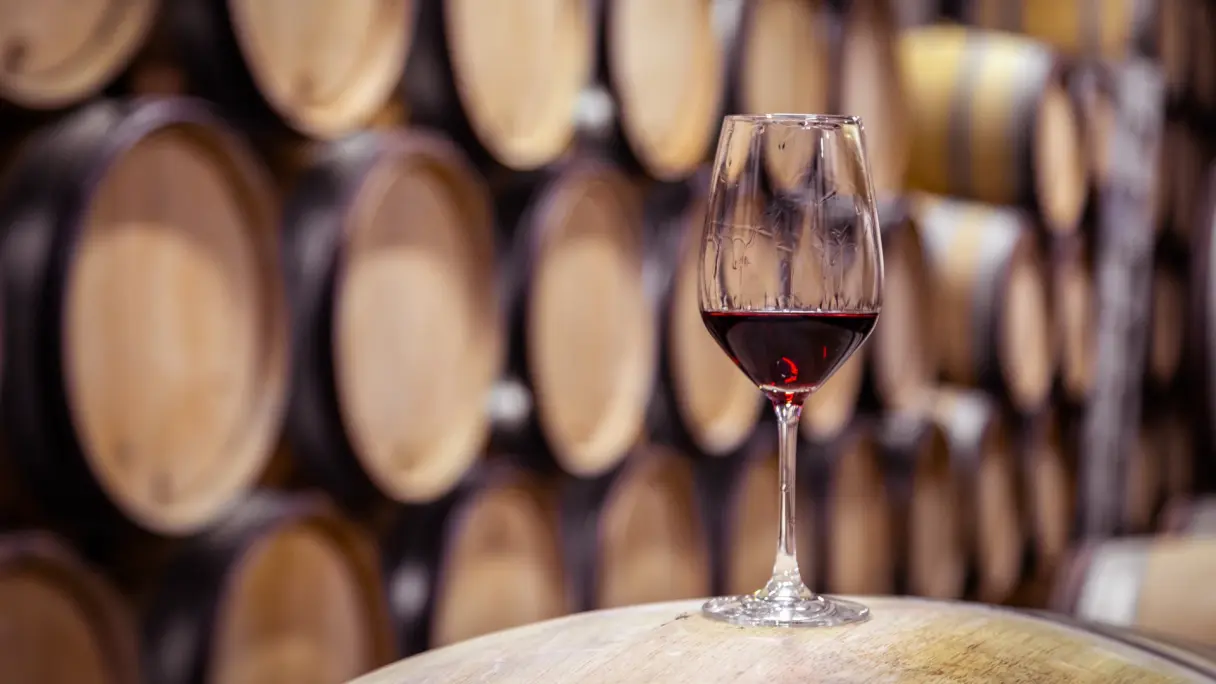
Wine may be one of the most durable consumable products. Although it only contains just a few milligrams of sulphite as protection from oxidation to preserve it, it sometimes seems to be able to defy logic and last for centuries. But the myth of all these old wines also should not be overstated. This is because if you stick rigidly to the motto of “The older the better”, you’re likely to disappointed more often than you are to taste something special.
Wine maturation: the grape juices are the crucial factor
In reality, there are only a few vines that are capable of maturing to become truly outstanding Methuselahs. That’s because essentially grape juices can be roughly divided into three categories: those that deteriorate in quality when they’re stored, those that can maintain their quality over a certain period of time, and finally those that actually do improve over many years in a wine cellar.
The first group – and this is by far the largest – includes simple table wines designed for daily consumption. They are deliberately produced so that they taste best at the time they are purchased and so you definitely shouldn’t keep large quantities of them in your wine collection.
On the other hand, higher-quality wines may be kept for some time, depending on their origin and type. However, you need to be aware that, as these wines mature, their character will change, but this will not always mean a genuine improvement in their quality.
But even with the third group, the really great wines – and these are by their very nature always the exception – which really do age and improve over the years in the bottle, you must not fall into the trap of assuming that the positive ageing process always follows an upward trajectory.
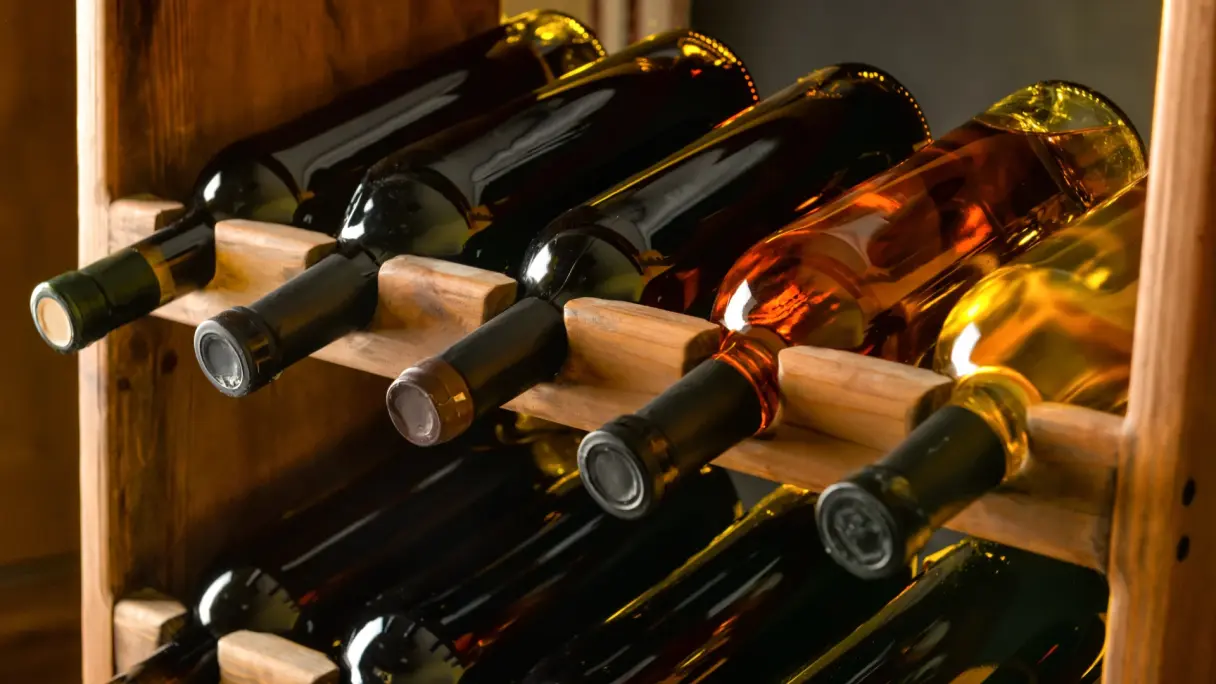
Wine won’t keep forever
That’s because every great wine, even the longest-lasting among them, has a highly individual life cycle that can be described as a curve that rises and then falls again rather than a line with only an upward trajectory. Following a phase of refinement, at some point you reach a plateau of maximum quality on which good vines can often survive for many years. But ultimately, even the finest grape juice follows the path of all earthly things. It then leaves its plateau of maturity and embarks upon a (hopefully slow and gentle) descent. However, wines that in this sense are starting to decline from their peak in quality are of course still very good to drink. But this then also requires a certain amount of respect and humility, which you should show to a particularly old wine in its last phase so you can really enjoy savoring it.

The author
Frank Kämmer
I have worked for many years in high-end restaurants and in this time became one of the top sommeliers in Europe. In 1996, I achieved the title of Master Sommelier, the highest international qualification in my profession. Today, I work primarily as a consultant in the international wine and gastronomy sector. I have also published numerous books on wines and spirits and was the first German to be accepted into the British Circle of Wine Writers.