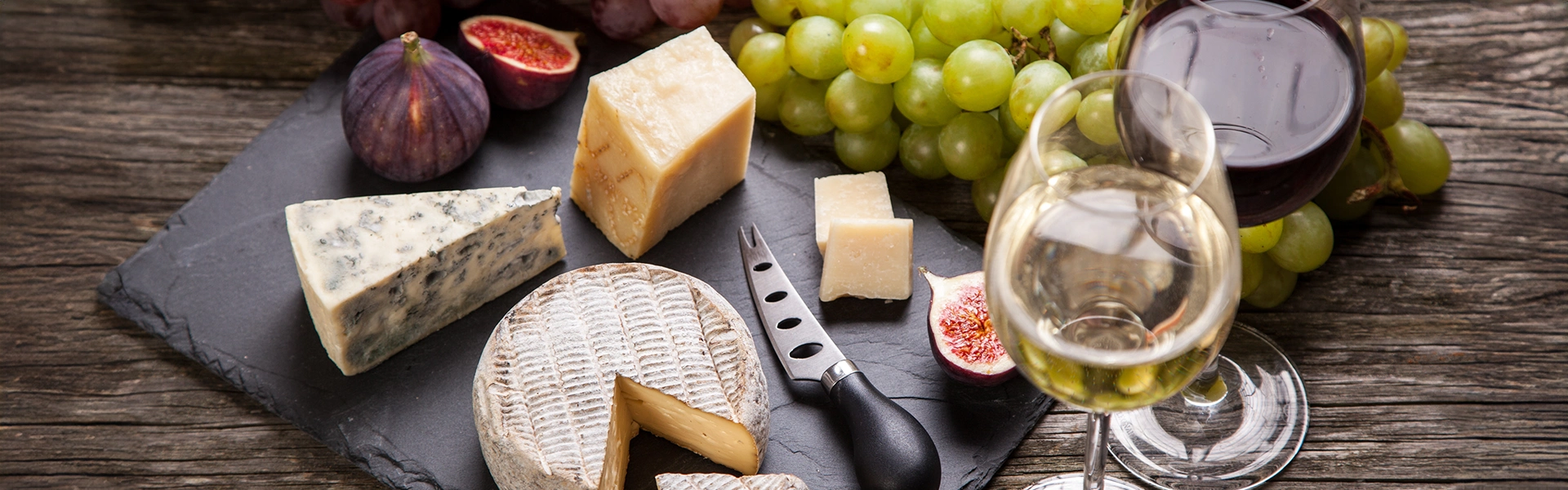
Cheese and wine are a genuine dream team – but what really goes well with what?
A piece of cheese without a glass of wine is almost unimaginable for the true connoisseur. However, there are also certain subtleties at play here, since not all cheese and wine go well together. A “good glass of red” is said, in particular, to really enhance the enjoyment of cheese – but in many cases this has in fact proven to be a misleading myth. We reveal which types of wine go best with a wide range of different cheeses.
The key points
- Goat’s cheese, cream cheese and brined cheese: fresh white wines with a hint of acidity
- Soft cheeses: fruity red wines
- Smear-ripened cheeses: aromatic white wines
- Semi-hard sliceable cheeses: well-structured red wines
- Hard cheeses: characterful, low-acidity wines
- Blue cheeses: powerful wines and fine sweet wines
Goat’s cheese, cream cheese and brine cheese and wine
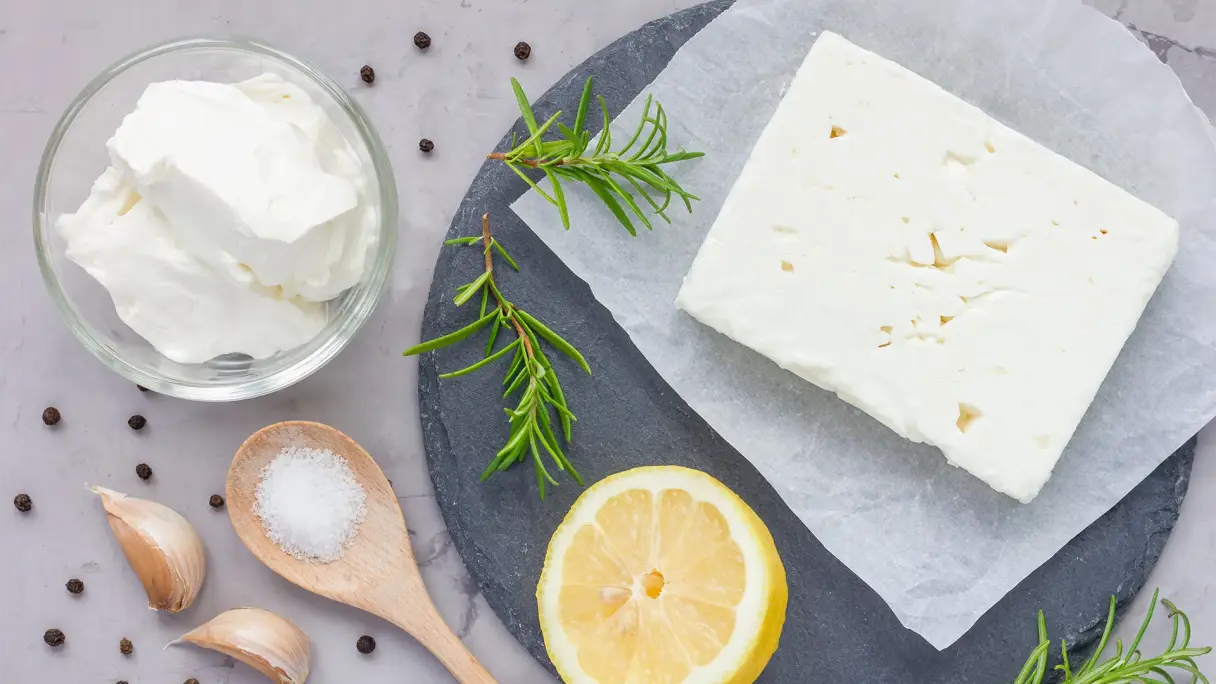
Cheeses with a pronounced acidity such as goat's cheese or feta require an equally fresh wine with an acidic backbone element. This is why it's mostly the younger and more lively white wines with a present fruity expression which taste best. These include the Sauvignon Blancs or dry Rieslings. However, champagne may also serve to subtly enhance the flavor. More mature goat’s or sheep’s cheeses, as well as more robust cream cheeses, also go very well with a rosé that contains a lot of character.
Soft cheese and wine
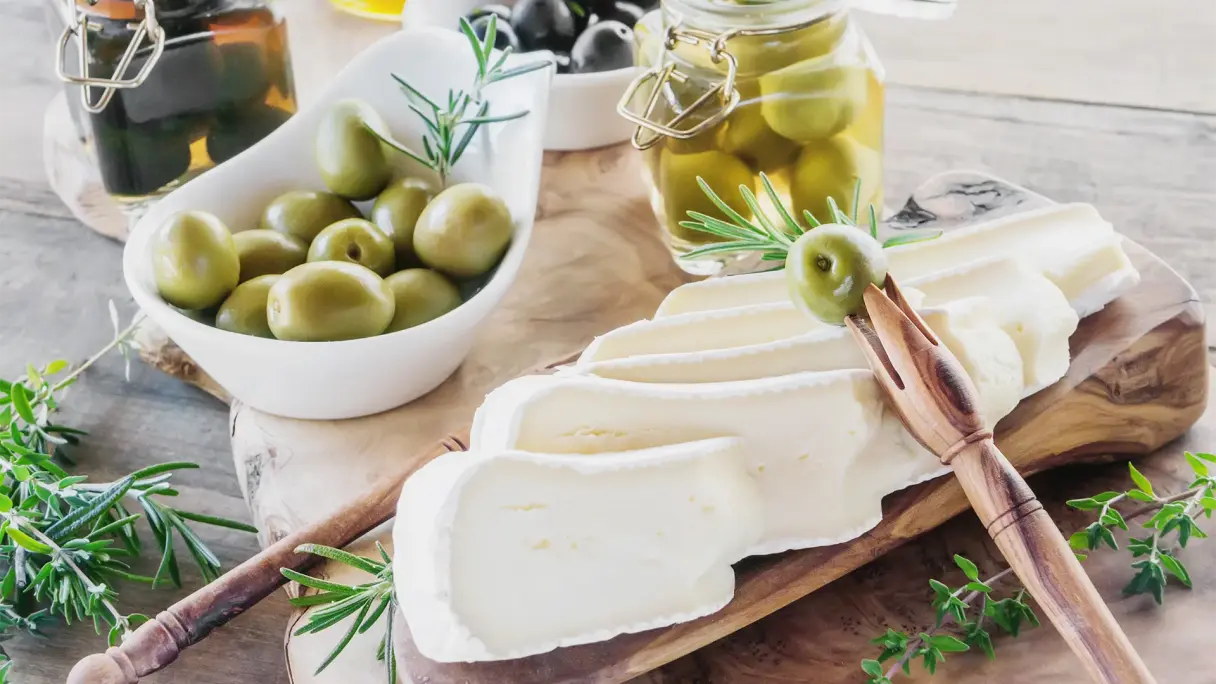
Soft cheeses such as Camembert, Brie or Taleggio go best with fruity and balancedred wines without too much tannin. Pinot Noirs are ideal for this, as are, for example, a smooth Dolcetto from Piemont, a fruity Zweigelt from Austria or a Gamay from Beaujolais. However, it also comes down to the maturity of the cheese concerned. Younger soft cheeses prefer younger red wines with fresh fruit flavors. In turn, riper cheeses go much better with slightly more mature and more complex wines. However, a creamy mild soft cheese is also very nicely suited to smooth white wines like the major Chardonnays or the Rhône white wines.
Smear-ripened cheese and wine
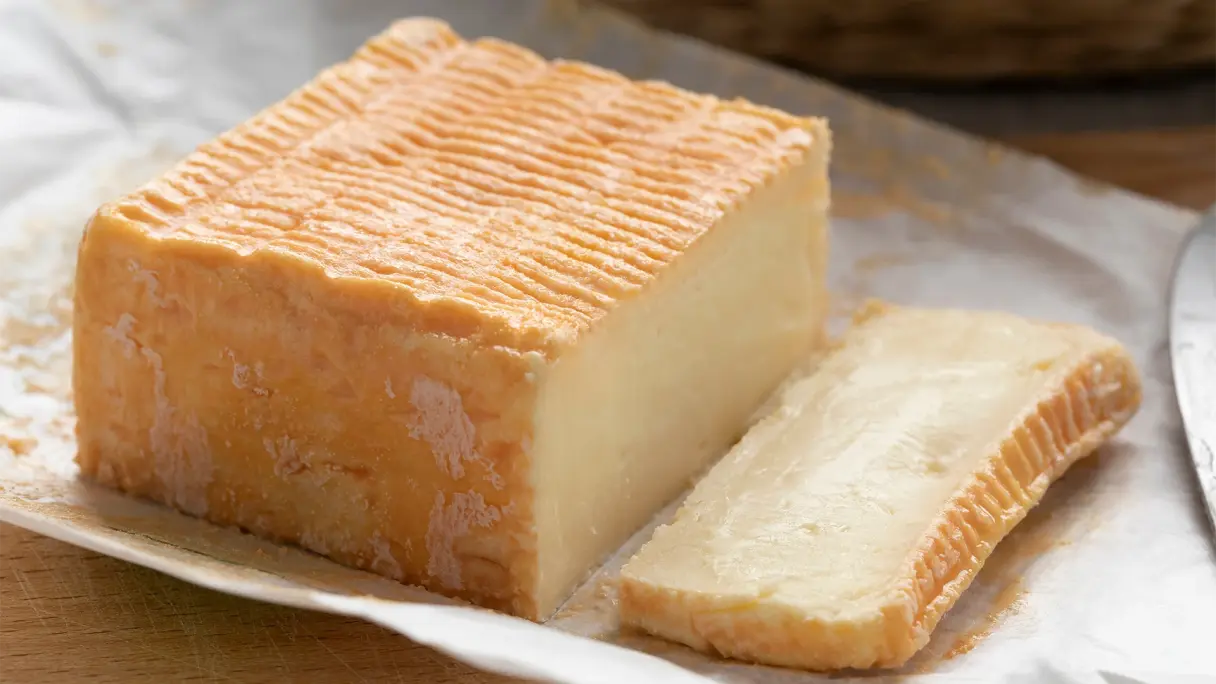
Red smear cheeses such as the French Livarot, the Belgian-German Romadur or the Austrian Mondseer are among the most difficult to pair with the right wine. Hearty red wines which are particularly juicy can still cope well with the less mature and therefore milder varieties. When fully mature, however, the piquant flavor of these cheeses basically destroys any red wine aroma. Much better suited in this case are white wines with an expressive aroma such as the German Traminer, the Australian Viognier or the white Châteauneuf-du-Pape. A real classic for example, is combining Munster with an Alsation Gewürztraminer.
Semi-hard sliceable cheese and wine
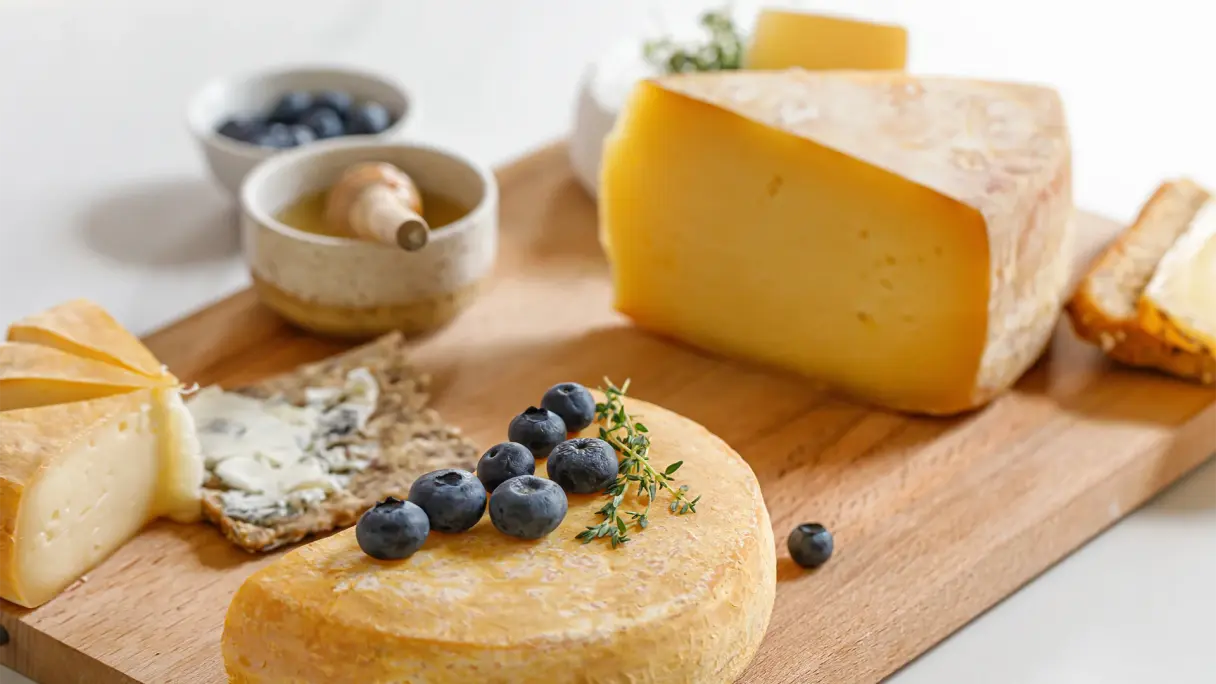
Semi-hard cheeses represent the perfect pairing for well-structured red wines such as Cabernet, Merlot, Tempranillo or Sangiovese. Most of the candidates in this cheese variety really can be combined in many ways and go well with lots of different red wines. By the same token, however, red wines with a slightly pronounced tannic acidity also benefit from the combination as the protein in the cheese pleasantly softens and rounds off the intense flavor of the tannin in wine. The traditional glass of red wine with cheese therefore works best and most reliably in this category.
Hard cheese and wine
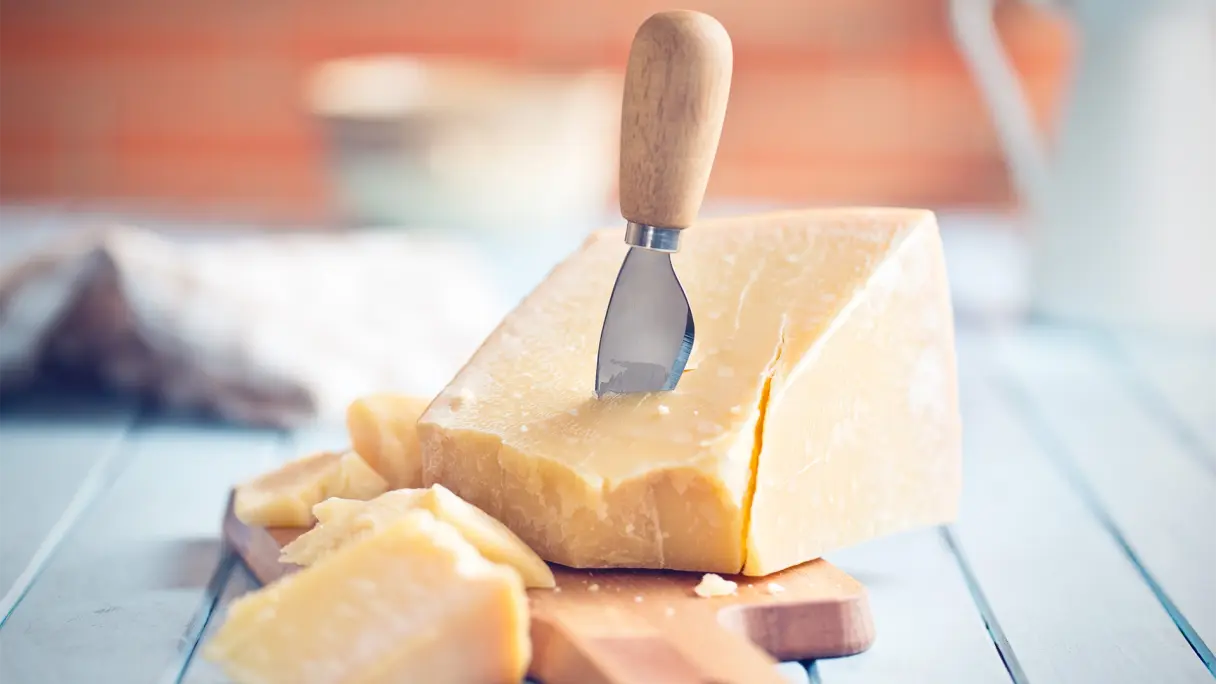
As they continue to mature, the saltiness in hard cheese increases significantly (as with Pecorino or Sbrinz), as does the sweetness (Mimolette or old Gouda) and the protein intensity (Parmesan or Grana Padano). All of this isn't really very well suited to the structure of red wines. In this case it is therefore better to use less acidic wines or wines with residual sweetness. Perfect combinations include pairings such as Comté with Vin Jaune from the Jura, Gruyère with GrandCru Chasselas from Switzerland - for example from Calamin or Dezaley, or mature Riesling Spätlese with Mimolette.
Blue cheese and wine
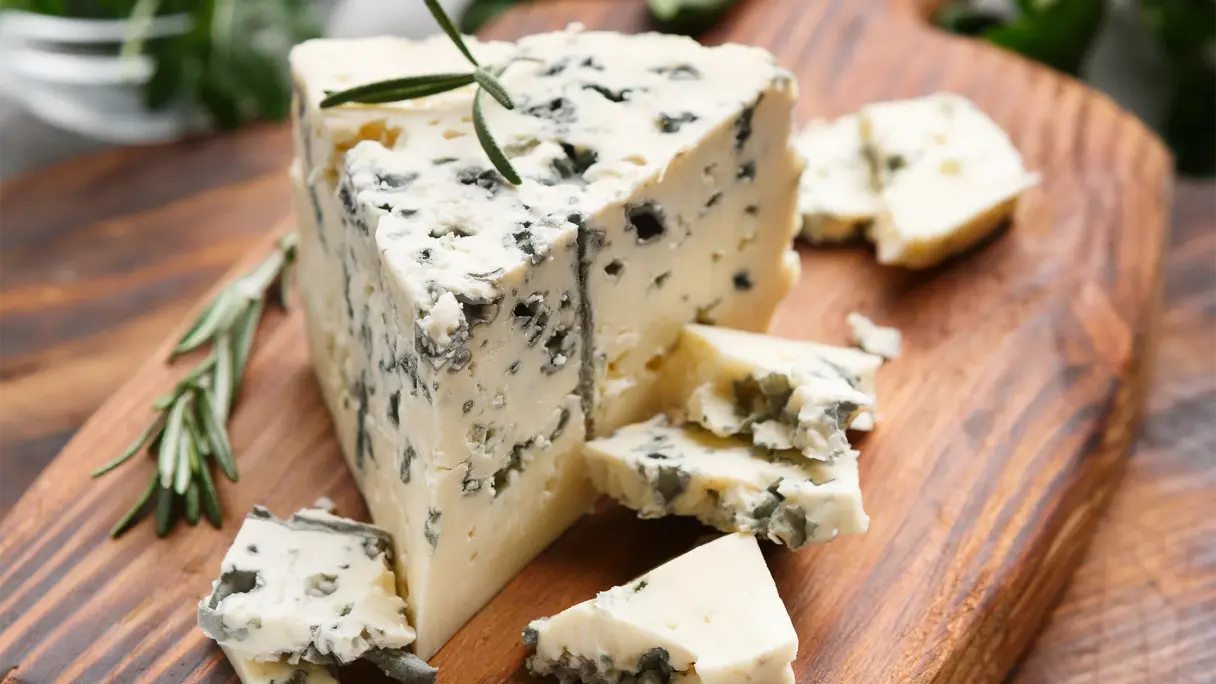
The piquant nature of blue mould cheese really does call for strong wines with ample juiciness and depth. Concentrated Shiraz wines fall into the category as do the full-bodied wines from Southern Italy or Spain. We then need to consider the accentuated saltiness of Roquefort, Stilton or Gorgonzola Piccante – the strongest representatives in this category. In this case sweet wines such as the German Beerenauslese or Sauternes from Bordeaux are recommended, but in particular also the fortified wines in the style of a port wine. The intensive fruity expression of these wines can sit perfectly alongside the strong aroma of these blue mould cheeses and the sweetness wonderfully softens the saltiness of the taste.
You're now well prepared for your next glorious cheese and wine moment. So how about a delicious cheese board the next time you spend an evening with friends?

The author
Frank Kämmer
I have worked for many years in high-end restaurants and in this time became one of the top sommeliers in Europe. In 1996, I achieved the title of Master Sommelier, the highest international qualification in my profession. Today, I work primarily as a consultant in the international wine and gastronomy sector. I have also published numerous books on wines and spirits and was the first German to be accepted into the British Circle of Wine Writers.