Parmesan – a healthy topping for Italian dishes?
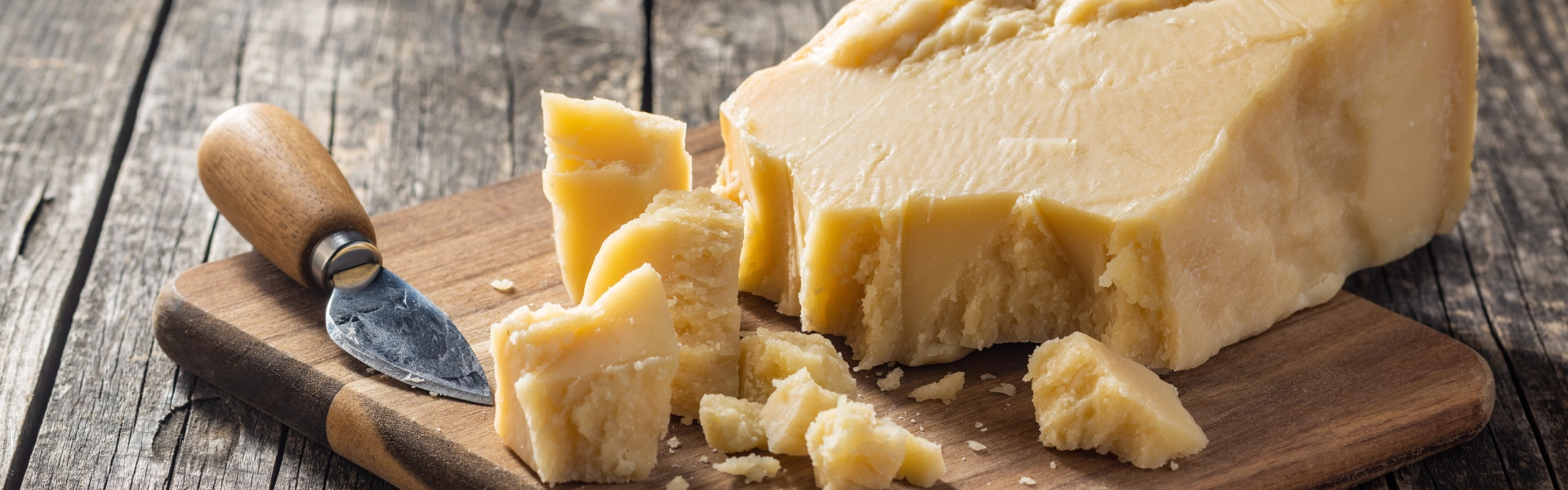
Parmesan is much more than just a popular pasta topping. The original Parmigiano Reggiano, produced according to strict guidelines in northern Italy, impresses not only with its intense flavor, but also with its high protein, calcium and other valuable nutrients. But how healthy is Parmesan really? What does it contain and who is it suitable for? In this article, you will learn why Parmesan cheese can be a useful part of a balanced diet despite its fat and calorie content.
Storage time*
| BioFresh Meat & Dairy safe just above 0 °C with low humidity | 110 days |
| Refrigerator compartment 7 °C | 20 days |
| Freezer compartment -18 °C | 6 months |
The key points
- Nutrient profile per 100 g: 392 kcal, 3 g carbohydrates, 25 g fat, 35 g protein, 0 g fibre
- Vitamins and minerals: high in calcium (1184 mg), vitamins A, B2, B5, D, E, zinc and magnesium
- High in protein: ideal for muscle building and long-lasting fullness
- Lactose-free: well tolerated by people with lactose intolerance
- Suitable for weight loss: intense flavor, filling despite small quantities
Parmesan – everything you need to know about calories, nutrients and tolerance
Parmesan is considered a healthy part of a balanced diet, and for good reason. With an impressive 35 grams of protein per 100 grams, it is one of the most protein-rich foods available, surpassing even beef and eggs. Athletes who are looking to build muscle will find this delicious cheese a valuable ally.
In addition to protein, Parmesan cheese is rich in a variety of vitamins and minerals: calcium, iron, zinc, magnesium and phosphorus are present in relevant amounts. A 30-gram serving covers about one-third of the daily calcium requirement. At the same time, Parmesan is lactose-free, which makes it particularly appealing for people with lactose intolerance.
Another advantage is that the cholesterol content, at an average of 90 mg per 100 g, is significantly lower than that of many other animal products such as eggs or butter.
Despite these positive aspects, Parmesan should be enjoyed in moderation. With around 25 grams of fat and approximately 392 kcal per 100 g, it is a high-energy food. Its high sodium content of around 840 mg per 100 g can also be problematic if consumed in excess.
However, hard cheese is unsuitable for people with histamine intolerance, as it is rich in histamine, like all long-matured cheeses.
To keep Parmesan fresh for as long as possible, you should store it in the refrigerator. It will keep there for up to 20 days. In Liebherr’s BioFresh Meat & Dairy safe, you can extend the shelf life of food by up to 110 days.
| Vitamin | 100 g contains | Minerals | 100 g contains |
|---|---|---|---|
| Vitamin A | 207 μg | Potassium | 175 mg |
| Vitamin B1 | 29 mg | Calcium | 1184 mg |
| Vitamin B2 | 330 μg | Magnesium | 44 mg |
| Niacin | 270 μg | Sodium | 840 mg |
| Vitamin B5 | 450 μg | Phosphorus | 871 mg |
| Vitamin B6 | 90 μg | Zinc | 2.75 mg |
| Folic acid | 7 μg | Iron | 0.9 mg |
| Vitamin B12 | 1.2 μg | ||
| Vitamin D | 0.7 μg | ||
| Vitamin E | 220 μg | ||
| Vitamin K | 1.7 μg |
| Energy | Water content | Carbohydrates | Fat | Protein | Fibre |
| 392 kcal | 30% | 3 g | 25 g | 35 g | 0 g |
What are the health benefits of Parmesan cheese?
Parmesan is not only delicious, it also has health benefits. Studies show that medium-aged Grana Padano may have a blood pressure-lowering effect. This is due to bioactive tripeptides produced during maturation by lactic acid bacteria such as Lactobacillus helveticus. These peptides inhibit the ACE system(angiotensin-converting enzyme), which regulates blood pressure – a similar mechanism of action to that of common blood pressure-lowering drugs (ACE inhibitors).
However, Parmesan is not harmless in every respect. With around 30 percent fat, much of which is saturated fatty acids, excessive consumption can increase LDL cholesterol levels and promote inflammatory processes in the body.
The high sodium content of 840 milligrams per 100 grams can also lead to high blood pressure and associated cardiovascular problems if consumed in large quantities over a long period of time. Therefore, the recommendation is to consume no more than 30 grams of Parmesan per day.
Nevertheless, Parmesan provides a range of health-promoting nutrients. With almost 1,200 mg of calcium per 100 g, Parmesan strengthens bones and teeth and helps prevent osteoporosis. Cheese also contains vitamin D, which aids calcium absorption, and vitamin E, which has anti-inflammatory and cell-protecting properties. Pantothenic acid (vitamin B5), also present in significant amounts, is important for energy metabolism and hormone formation.

How does Parmesan support healthy weight loss?
Parmesan cheese can support a healthy diet when consumed correctly. Parmesan is high in calories, but its high protein content and intense flavor make it an effective aid on the road to weight loss. The high protein content ensures a quick and long-lasting feeling of fullness. Its low water content makes it particularly filling, so you consume less.
One tablespoon of grated Parmesan cheese contains only around 20 calories and 1.5 grams of fat. Due to its strong aroma, even small amounts are often enough to enhance the flavor of dishes and curb cravings.
Of course, the same applies here: less is more. Parmesan cheese can be a valuable addition to your diet, but it is not a substitute for a balanced diet rich in fruit, vegetables and whole grains.
FAQs – Parmesan
When losing weight, it’s not just calories that count, but also nutritional values and how full you feel. Despite its fat content, Parmesan cheese is a good choice because it is rich in protein and important nutrients such as calcium and vitamin A. Its intense flavor means that only small quantities are needed. When enjoyed in moderation, Parmesan supports a balanced diet for weight loss, but no more than 30 g per day should be consumed.
Parmesan cheese can be good for your gut because it is lactose-free and is easy to digest if you are lactose intolerant. However, it doesn’t contain fibre, which is good for gut health. For healthy digestion, Parmesan should therefore only be part of a high-fibre diet. However, it is harmful to health in cases of histamine intolerance, as its high histamine content can trigger symptoms.
*All specifications given are to be considered as guideline values, and depend in each case on the type of food and on the proper storage without interruption of the cold chain from harvest/production through to the Liebherr appliance. Should food products have information about minimum shelf life, the date on the packaging always applies.