
Freezing tempeh – the perfect method
Freezing tempeh: how should tempeh be stored correctly? How can it be preserved for longer? And what nutrients does tempeh contain? In this blog post, we explain tempeh as a source of protein.
The key points
- Homemade and store-bought tempeh can be frozen without any problems.
- An airtight container or a food-safe bag should be used to freeze tempeh to prevent the formation of water crystals.
- Before freezing, tempeh can be cut into any size, from small cubes to slices. This makes it easier to portion and defrost more quickly.
- Frozen tempeh stays fresh for up to six months.
- Defrost in the refrigerator: tempeh can simply be defrosted overnight in the refrigerator.
- Prepare straight away after defrosting: the frozen tempeh can be cooked straight away in a pan or saucepan at a low temperature.
Freezing tempeh
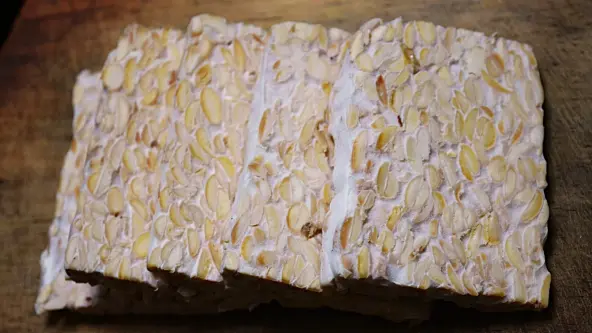
Homemade and store-bought tempeh can be frozen in your freezer without any problems. It is important to use an airtight container or a sealable, food-safe bag. This will prevent water crystals from forming on the tempeh. For easier portioning, cut the tempeh into your desired size beforehand – from small cubes to slices – place in the container and you're done! The smaller the tempeh, the faster you can defrost this wondrous bean and use it in numerous recipes, including vegan ones. Frozen tempeh will keep fresh in your Liebherr freezer for up to six months.
Defrosting tempeh
Fancy a delicious recipe with tempeh and other ingredients from your freezer? Then you have two options for putting your new recipe idea into practice as quickly as possible: Either let the tempeh defrost slowly overnight in the refrigerator. To do this, place the freezer container with the tempeh in the refrigerator or place the frozen tempeh in a bowl to defrost. Or you can put the frozen tempeh straight into the pan or saucepan. When cooking in a pan, make sure to slowly defrost the tempeh at a low temperature first, then fry until crispy. This will ensure that the tempeh is heated through to the centre.
Tempeh – is it still edible?
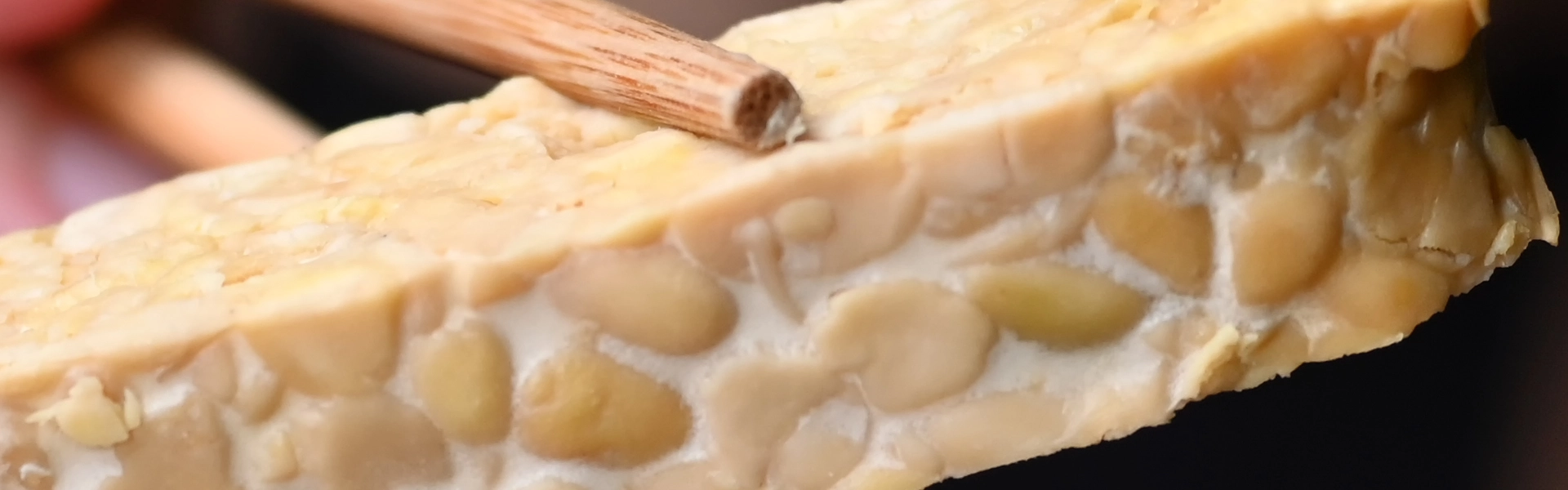
Are you unsure whether the tempeh you have stored is still edible? After all, the beans covered in white fluff take some getting used to at first. However, this is a specially cultivated noble mould culture called Rhizopus oryzae. This type of fungus is responsible for fermenting the soya beans and producing the white mould, giving tempeh its compact shape.
- A white, compact mould around the fermented beans – similar to Camembert – is completely normal and indicates that the noble mould has been hard at work.
- However, if you see pink, black or green spots on the tempeh or if it smells pungent or like ammonia,you should not eat it!
Nutritional values of tempeh
- Tempeh is a protein-rich food (16 g / 100 g) and contains all essential amino acids
- The proteins and carbohydrates contained in tempeh are pre-digested during fermentation with the help of noble mould, making them easier for the human body to absorb
- Tempeh provides fiber and has a probiotic effect on the intestines, which strengthens the colon in particular
Nutritional values of tempeh – packed with protein
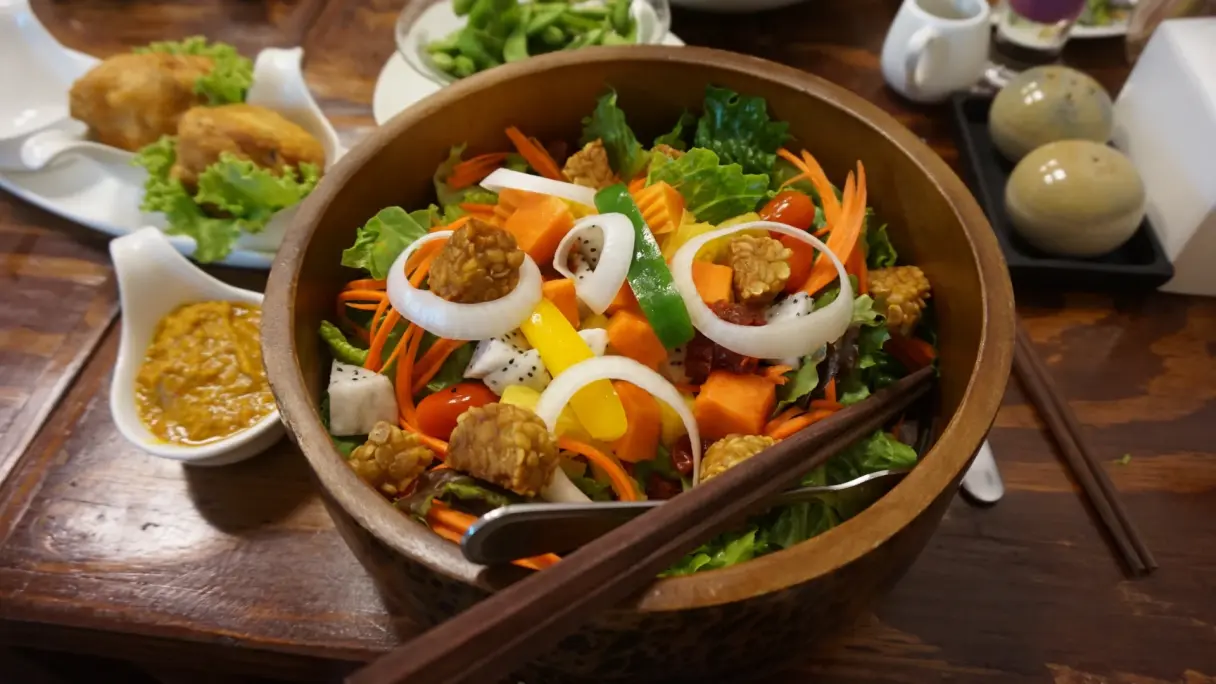
The most common and traditional variety, like tofu, is tempeh made from soya beans. However, noble mould also likes various other legumes such as lupins, black beans and even grains. In general, tempeh made from soya beans, similar to tofu, contains an average of 16 g of protein and 6.5 g of fiber per 100 g. Thanks to the wide range of amino acids found in soya beans, tempeh also contains all the essential amino acids required by humans. In combination with additional protein-rich foods, you increase the value of your protein intake and thus contribute to a protein supply tailored to your needs. No wonder tempeh is particularly popular in vegan diets due to its rich nutrients.
What’s more, the fermented beans offer another benefit for your gut health: during fermentation, the noble mould fungus does its best and pre-digests complex proteins and carbohydrates for you, making the soya beans even more digestible! In addition, the content of secondary plant substances – specifically polyphenols – increases during fermentation. Regular consumption can also help beneficial bacteria colonize the large intestine. These are bifidobacteria, which strengthen the intestinal immune system by fighting off pathogens.
This might also interest you
Freezing and defrosting tofu
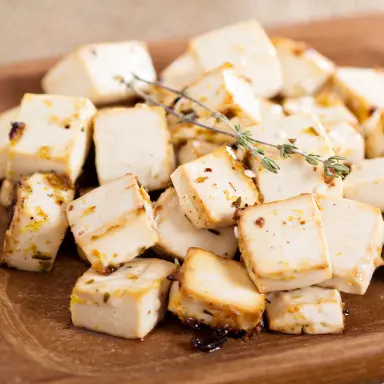
Here you can find out how to freeze and defrost tofu – making it even tastier in the process. Read on to find out.

Fermentation – preserving food in a resource-saving way
Fermentation preserves food in a resource-efficient way. Discover benefits, methods, and tips for flavor, health, and sustainability.
How to store coffee beans and ground coffee correctly
Store coffee beans and coffee correctly so that they stay fresh, tasty and keep for as long as possible. Find out now.