Sesame oil: effects, nutritional values and vitamins of the seed oil
Oils and other fats can be found in every kitchen: from olive oil to rapeseed and sunflower oil, the choice is extensive. But do you also have sesame oil at home? The effect of this oil is truly remarkable, in terms of taste as well as its health benefits. Find out why sesame oil will enrich your cooking and what it can do for your health.
Storage time*
| Refrigerator compartment 7 °C | 56 days |
| Room temperature 20 °C | 28 days |
The key points
- Rich in nutrients: sesame oil contains a lot of unsaturated fatty acids, vitamin E, vitamin K and minerals, such as magnesium and calcium.
- Rich in calories: containing about 900 calories per 100 millilitres, sesame oil is one of the most energy-rich cooking oils and should be used in moderation.
- Light vs. dark oil: light sesame oil can be heated to high temperatures and has a neutral taste, while dark sesame oil has more flavor and contains more natural ingredients – but is only suitable for cold or lukewarm dishes.
- Correct storage matters: store in a cool, dark place after opening.
Sesame oil – list of contents
The nutritional values of sesame oil
The sesame plants are plants of the species Sesamum indicum. Its botanical name suggests that it thrives in India and in areas with similar climatic conditions. Sesame and products made from sesame are therefore very popular in Asian cuisine. But what is the effect of sesame oil?
Sesame oil adds flavor to many dishes as well as having a very high nutritional value. It consists of around 40 percent unsaturated fatty acids, mainly oleic acid and linoleic acid, which can have a positive effect on cholesterol levels. Sesame oil is particularly remarkable for its vitamin content, as it is rich in vitamin E – a powerful antioxidant that protects the body’s cells from oxidative stress and contributes to healthy skin. Sesame oil also contains vitamin K, which plays a role in blood clotting and maintaining healthy bones, among other things. Sesame oil also supplies valuable minerals such as magnesium, calcium and phosphorus. This combination makes sesame oil a tasty, wholesome addition to a balanced diet. However, sesame oil is also one of the most energy-rich oils, containing around 900 calories per 100 millilitres. So be careful of the amount of sesame oil you consume.

Which sesame oil is healthy – light or dark?
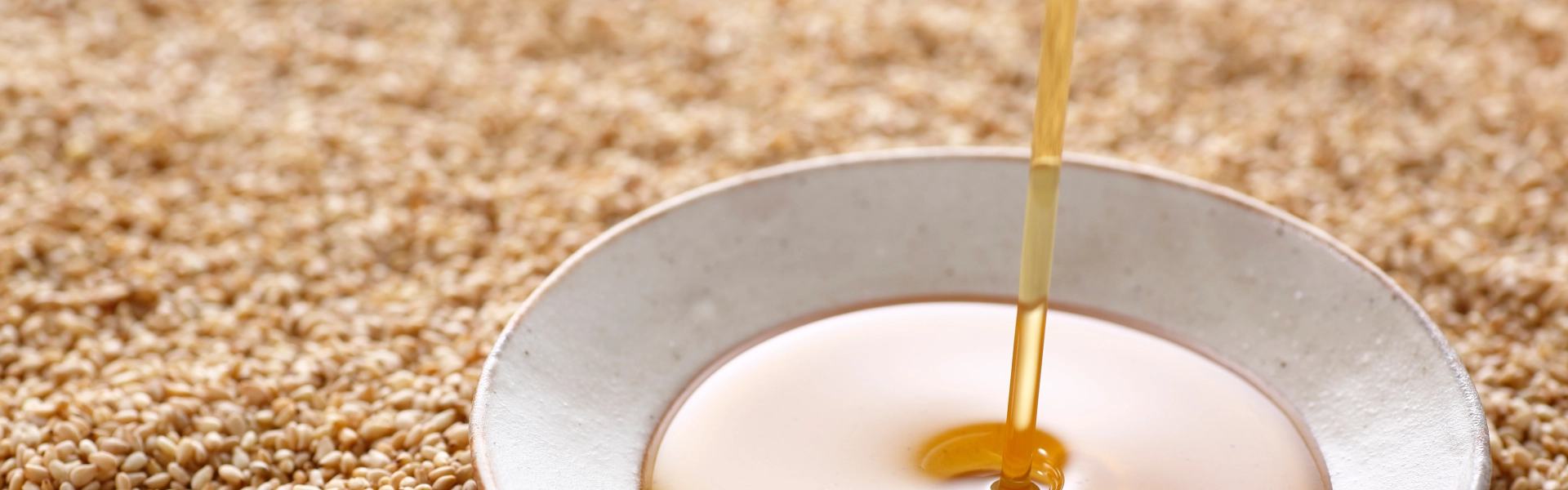
Often, there is not just one but two variants on offer: light sesame oil and dark sesame oil. Does it make a difference which version you buy? Absolutely! The two oils are processed differently and therefore have different properties and uses in the kitchen. Whether light or dark, both oils are extracted from the seeds of the sesame plant. Half of the seeds consists of oil which is obtained by pressing.
To obtain the dark oil, the seeds are roasted before pressing. The roasting produces aromas which mean that the dark sesame oil is ideal for seasoning food. The roasted sesame seeds are cold-pressed. This gives the dark sesame oil an intense and characteristic taste of its own – nutty and roasted. However, it should not be heated to high temperatures, as it contains free fatty acids that cause it to smoke at lower temperatures.
Unroasted sesame seeds are used to produce the light, yellowish oil. In most cases, it is not cold-pressed but refined for further processing. For example, after pressing, the seeds are additionally treated with a solvent to extract the remaining oil. This makes the yield higher. The oil must then be cleaned. The result: an oil that can be used in many ways, can be heated to high temperatures and has a long shelf life. However, since odorants, flavors and colorants are also removed, the oil loses some of its character during refining and tastes relatively neutral.
From a health point of view, cold-pressed dark sesame oil is considered the better choice as it contains more natural ingredients, such as antioxidant lignans and heat-sensitive vitamins – provided that it is not subjected to too much heat.
Once opened, the oil bottle should be tightly closed to prevent as little oxygen as possible coming into contact with the oil. Opened bottles should also be stored in the refrigerator. Dark bottles and storage in the appliance help to delay rancidity, so that you can enjoy the benefits of sesame oil for longer.
*All specifications given are to be considered as guideline values, and depend in each case on the type of foodstuffs and on the proper storage without interruption of the cold chain from harvest/production through to the Liebherr appliance. Should food products have information about minimum shelf life, the date on the packaging always applies.