Pointed cabbage – how healthy is this green cabbage variety?
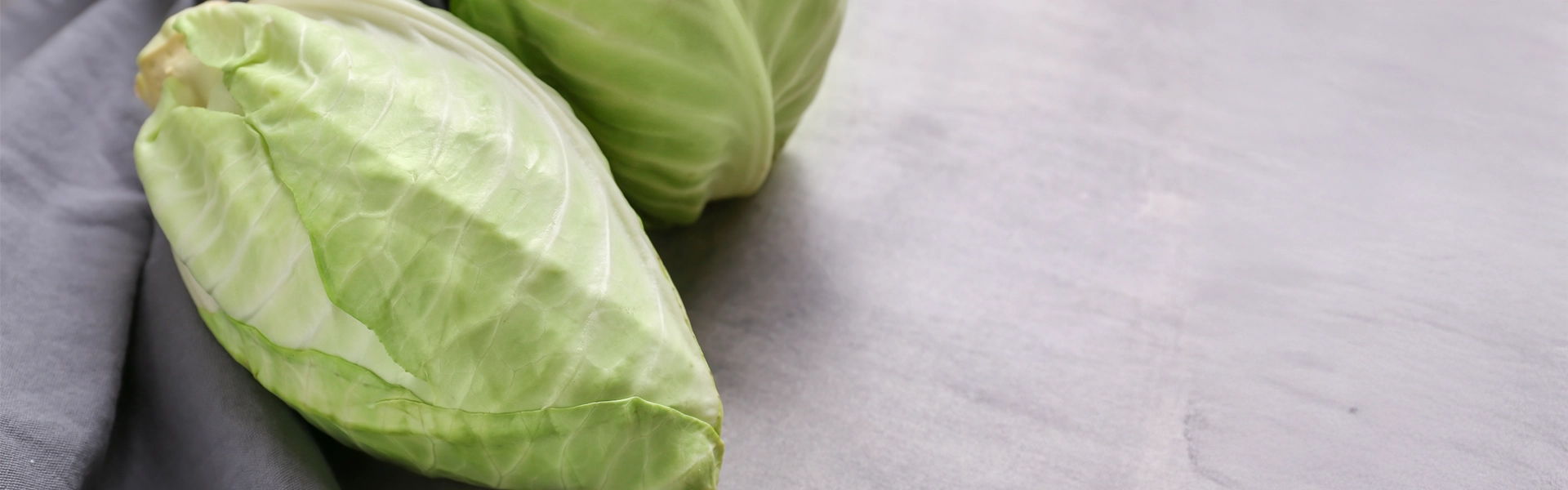
At first glance, pointed cabbage appears unremarkable with its cone shape and loosely arranged leaves, but beneath its delicate exterior lies a powerhouse of healthy nutrients. It is worth paying more attention to this mild, slightly sweet cabbage, especially if you are following a health-conscious diet. In this article, you will find out what vitamins and minerals it contains, why it is easy to digest and what health benefits it offers.
Storage time*
| BioFresh Fruit & Vegetable safe just above 0 °C with high humidity | 55 days |
| EasyFresh safe 7 °C with air regulation plate | 29 days |
| Refrigerator compartment 7 °C | 23 days |
| Freezer compartment -18 °C | 12 months |
The key points
- Nutrient profile per 100 g: 23 kcal, 3 g carbohydrates, 0.3 g fat, 2.1 g protein, 2.5 g fiber
- Vitamins and minerals: rich in vitamin C, zinc, folic acid and vitamin K
- Low in calories and satiating: ideal for a health-conscious diet and suitable for losing weight
- Health benefits: supports the immune system, bone formation and digestion
- Storage: without greens, cool, dark and moist
- During pregnancy: suitable, but do not eat raw
Pointed cabbage season, vitamins and calories: why this vegetable is twice as good for you
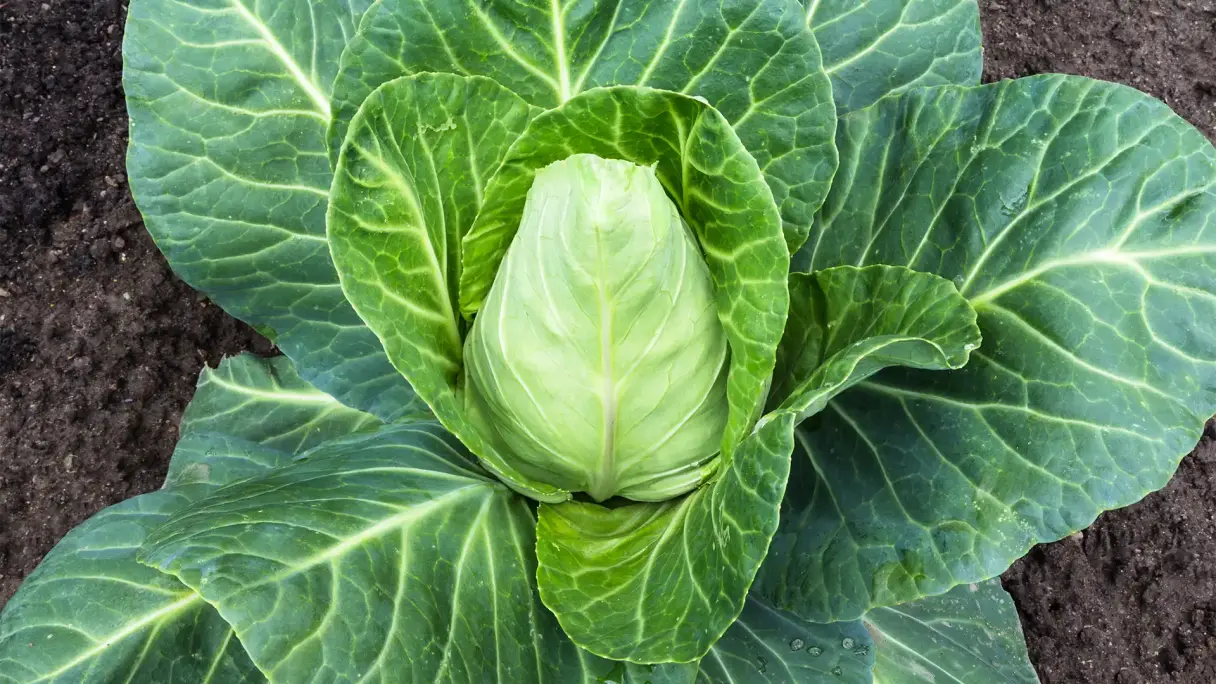
If you want to boost your immune system in a natural way, this tender cabbage is an excellent choice. That’s because pointed cabbage is rich in vitamin C. At 60 mg per 100 g, it contains more than many citrus fruits. Just 200 g is sufficient to meet an adult’s entire daily requirement.
It also contains zinc, folic acid, vitamin K and valuable secondary plant substances, such as bioflavonoids and chlorophyll, which protect our cells from oxidative stress.
The high fiber content of pointed cabbage aids digestion and helps you feel full. Its delicate leaf structure makes it particularly easy to digest, which also means that it is suitable for people with sensitive stomachs. This is an advantage compared to heavier types of cabbage, such as white or red cabbage.
Another plus point: this cabbage has just around 23 kcal per 100 g, which makes it a real lightweight among vegetables and ideal for losing weight. With a water content of 91 percent, 100 g of pointed cabbage contains 3 g of carbohydrates, 0.3 g of fat, 2.1 g of protein and 2.5 g of fiber.
The best way to preserve the nutrients of pointed cabbage is to store it in the refrigerator. In a BioFresh Fruit & Vegetable safe, it can be stored for up to 55 days at a temperature of just above 0°C and high humidity.
Pointed cabbage is available almost all year round. In spring, it has a mild, delicate flavor, while in autumn it becomes stronger.
| Vitamin | 100 g contains | Minerals | 100 g contains |
|---|---|---|---|
| Vitamin C | 60 mg | Potassium | 249 mg |
| Vitamin A (in retinol equivalent (RE)) | 25 μg | Calcium | 50 mg |
| Vitamin B1 | 50 μg | Magnesium | 9 mg |
| Vitamin B2 | 50 μg | Sodium | 6 mg |
| Niacin | 300 μg | Phosphorus | 30 mg |
| Vitamin B5 | 150 μg | Zinc | 200 μg |
| Vitamin B6 | 150 μg | ||
| Folic acid | 73 μg | ||
| Vitamin E | 150 μg |
Health benefits of pointed cabbage
Its high vitamin C and zinc content strengthens the immune system and can help prevent colds. Pointed cabbage also contains valuable secondary plant substances and mustard oils, which have anti-inflammatory properties.
A special bonus: pointed cabbage contains lots of fiber, which gently stimulates digestion. They ensure you stay feeling full for longer, bind water in the intestines and promote bowel movement, which can prevent constipation. Unlike many other types of cabbage, pointed cabbage is particularly easy to digest and causes less flatulence, making it ideal for people with sensitive digestive tracts. The combination with caraway is recommended for even better tolerance, as this reduces flatulence.
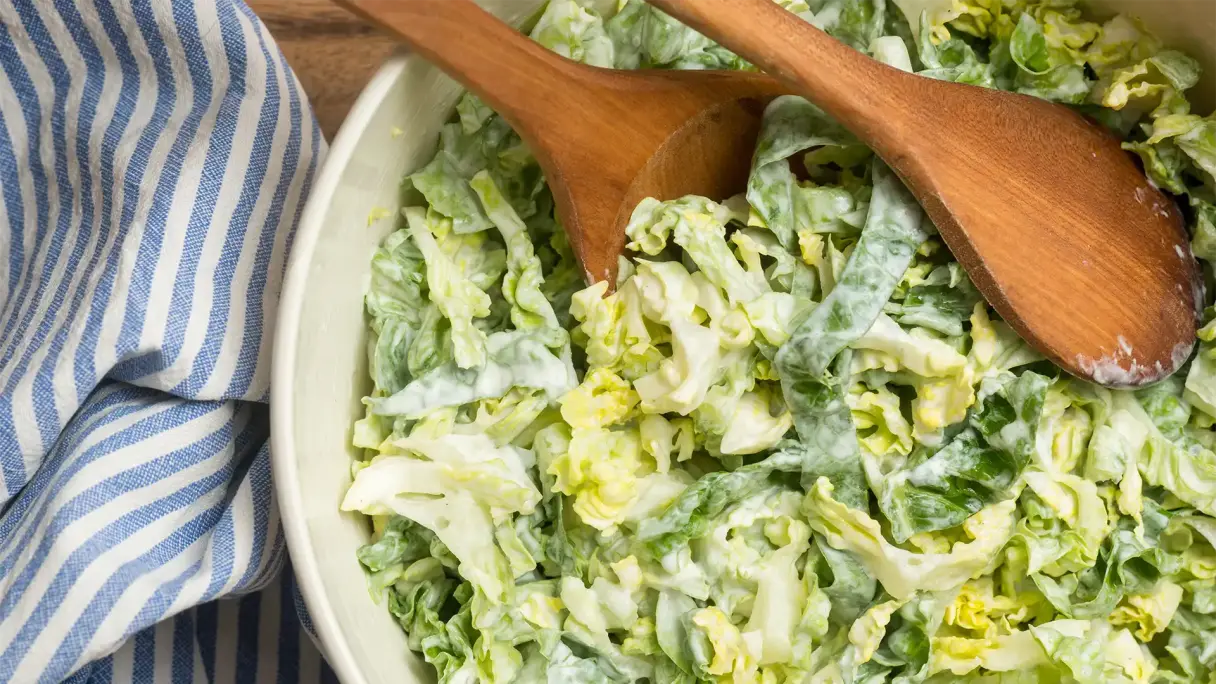
When eaten raw, pointed cabbage retains its crunchy texture and provides important vitamins. It is ideal for fresh salads, for instance, in combination with grated apples, parsley and a light lemon and honey dressing.
Pointed cabbage is an ideal addition to the diet of anyone who wants to eat healthily: it is low in calories, filling and nutritious. Its short cooking time makes it particularly suitable for everyday use and very versatile.
Pointed cabbage during pregnancy
Pointed cabbage is a valuable and nutritious choice during pregnancy. It provides important vitamins and minerals such as folic acid, calcium and vitamin C, which play a key role in the healthy development of the baby and the well-being of the mother. Folic acid supports the development of the nervous system, calcium strengthens bones and vitamin C improves iron absorption.
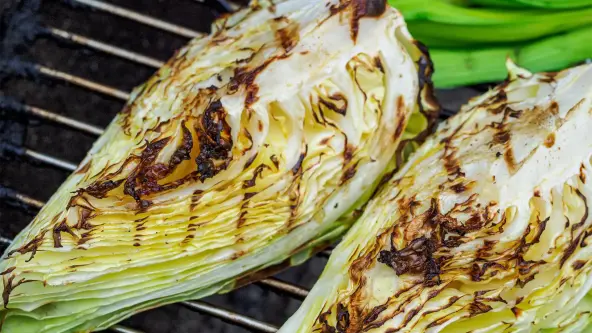
However, raw pointed cabbage, such as in coleslaw, should be avoided as it can contain bacteria such as listeria. It is important to wash the leaves thoroughly and to cook or steam the cabbage before eating.
Thanks to its high fiber content, pointed cabbage aids digestion, which is helpful to combat constipation during pregnancy. However, pregnant women should avoid large quantities to prevent flatulence. Cabbage leaves can also help with symptoms such as swollen legs.
FAQs – pointed cabbage
Like many types of cabbage, pointed cabbage contains nitrate, which can be converted into harmful nitrite when kept warm for long periods or when repeatedly reheated. This can be problematic, especially for pregnant women, babies and small children. Cabbage should be prepared fresh and not kept warm for longer than necessary to preserve its health benefits. It releases its vitamins and nutrients optimally when gently cooked.
If the pointed cabbage is wilted, smells unpleasant or has dark, mushy spots, it should be disposed of. Even raw, it is only really tasty when fresh. It should always be fresh, well washed and prepared as soon as possible after purchase for the greatest benefit and best nutrients.
*All specifications given are to be considered as guideline values, and depend in each case on the type of foodstuffs and on the proper storage without interruption of the cold chain from harvest/production through to the Liebherr appliance. Should food products have information about minimum shelf life, the date on the packaging always applies.