Physalis – a fruit with good nutritional values
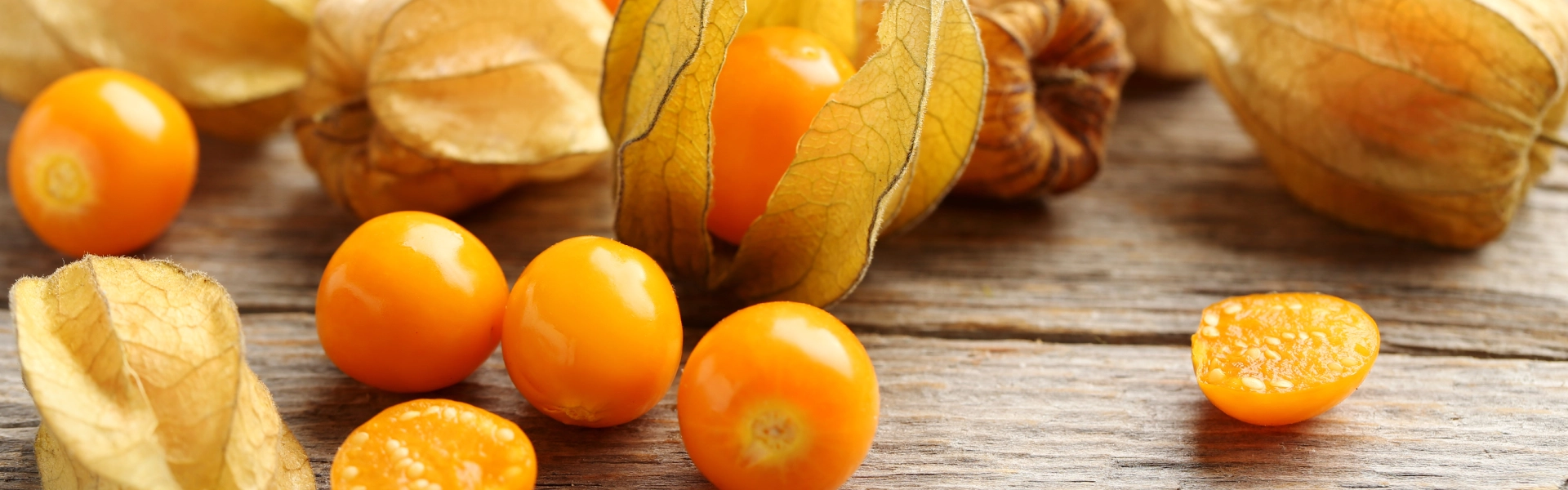
The physalis resembles a praline in its appearance: Firm and rounded with a pretty paper wrapping - or rather leafy pod. No wonder, then, that it is so often used to decorate buffet platters or flower arrangements. Today, we shine a light on the physalis and show you why we should enjoy this orange fruit with its unique natural packaging more often. Learn all about storing physalis and its nutritional values.
Storage time*
| EasyFresh safe 7 °C with air regulation plate | 24 days |
| Refrigerator compartment 7 °C | 19 days |
| Freezer compartment -18 °C | 12 months |
The key points
- Physalis is native to South America and is now found worldwide in temperate to tropical regions.
- Physalis taste sweet and sour, reminiscent of gooseberries, and are rich in vitamin B, vitamin C, carotenoids and iron.
- Ripe fruits can be recognized by their straw-colored calyx, sweet smell, firm consistency and orange, slightly sticky surface.
Physalis and its nutritional values: exotic power fruit with healthy benefits
Physalis, with its excellent nutritional values, originally comes from Peru and Brazil. From here, the annual herbaceous plant spread throughout the entire Andes region. It is part of the nightshade family, which also includes tomatoes. Almost 200 years ago, Portuguese sailors brought the orange fruit to South Africa, which earned the fruit the name Cape gooseberry. Today, the fruit is grown around the world in the temperate and tropical regions of South Africa, South America, Australia, New Zealand and India.
The cherry-sized fruits of the physalis may be red, orange or yellow-green in color and are enclosed by a lantern-like, paper-thin husk that is not edible. The taste of the fruits is refreshing, sweet and slightly acidic. They are reminiscent of gooseberries, although the two are unrelated. The fruit contains lots of seeds that are eaten with the fruit. Physalis are rich in vitamins B and C, carotenoids and iron. Incidentally, depending on how ripe they are, 100 grams of physalis contain around 50 to 70 calories.
Tips on ripeness, preparation and preservation of the nutritional values of physalis
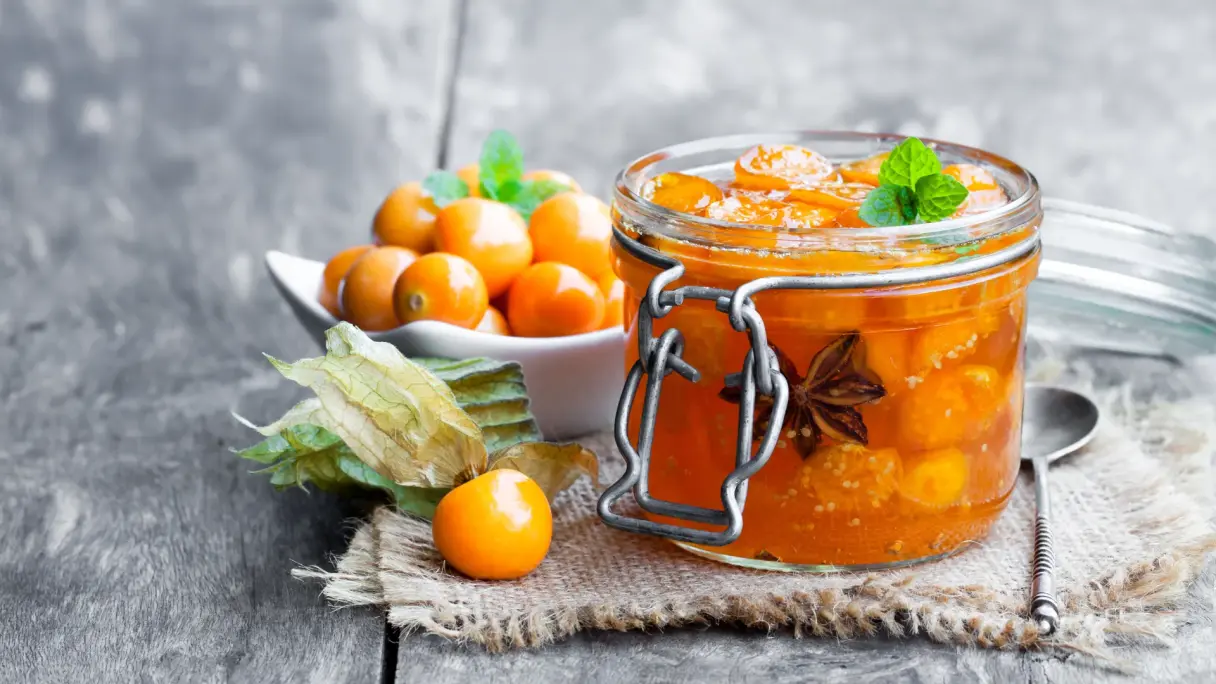
Physalis are ideal eaten raw as a small fruit snack, preferably at room temperature. For something more refined and substantial, the small fruits can be dipped in chocolate. With further preparation, the fruits can also be used to spice up desserts with their subtle acidity, for example in cakes or tarts. And if you want to be really sophisticated, you can even poach the fruits for dessert. The high pectin content means that jams can also be produced.
But how can you tell if these little fruits are ripe? It's obviously best to do this without the husk. The fruits should smell sweet and be orange, flawless, firm and slightly sticky. However, a straw-colored husk also indicates whether there is a ripe fruit beneath. If this is the case, the highest levels of sugar and beta-carotene are present.
By the way: Physalis are very good for storing. As long as they still have their husks, which act as natural packaging, they will keep fresh in the refrigerator for a long time. At temperatures around 7 °C, they stay fresh for up to 19 days, and in the EasyFresh safe for up to 24 days. Without their husks, physalis can also be frozen or dried in the freezer to preserve their nutritional value.
*All specifications given are to be considered as guideline values, and depend in each case on the type of food and on the proper storage without interruption of the cold chain from harvest/production through to the Liebherr appliance. Should food products have information about minimum shelf life, the date on the packaging always applies.