Lamb: nutritional values such as calories and protein content
Lamb is one of the most popular types of meat due to its nutritional value and unique taste. In some regions, lamb is even considered to be a delicacy. Lamb is not only popular for its taste – its nutritional value also has a number of health benefits. Read on to find out about the nutritional values and vitamins in lamb.
Storage time*
| BioFresh Meat & Dairy safe just above 0 °C with low humidity | 8 days |
| Refrigerator compartment 7 °C | 1 days |
| Freezer compartment -18 °C | 10 months |
The key points
- Nutritious and high in protein: lamb has about 20 g of high-quality protein per 100 g – perfect for building muscle and cell regeneration.
- Valuable micronutrients: it contains iron, zinc, selenium, magnesium and vitamins B12, B3 and A, among other things.
- Calories and fat content depending on the cut: lean meat, such as leg or fillet, contains approx. 230–260 kcal and 10–15 g fat per 100 g.
- Healthy when consciously prepared: lamb from species-appropriate husbandry and that is cooked gently is a sensible addition to a balanced diet.
Lamb and its nutritional values
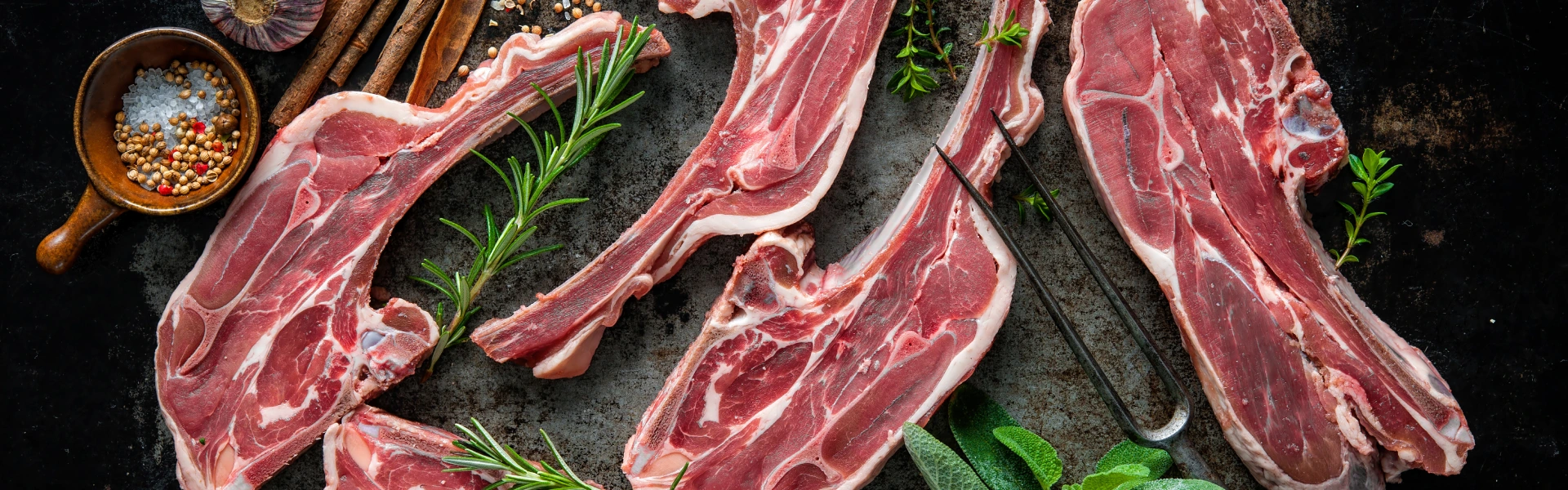
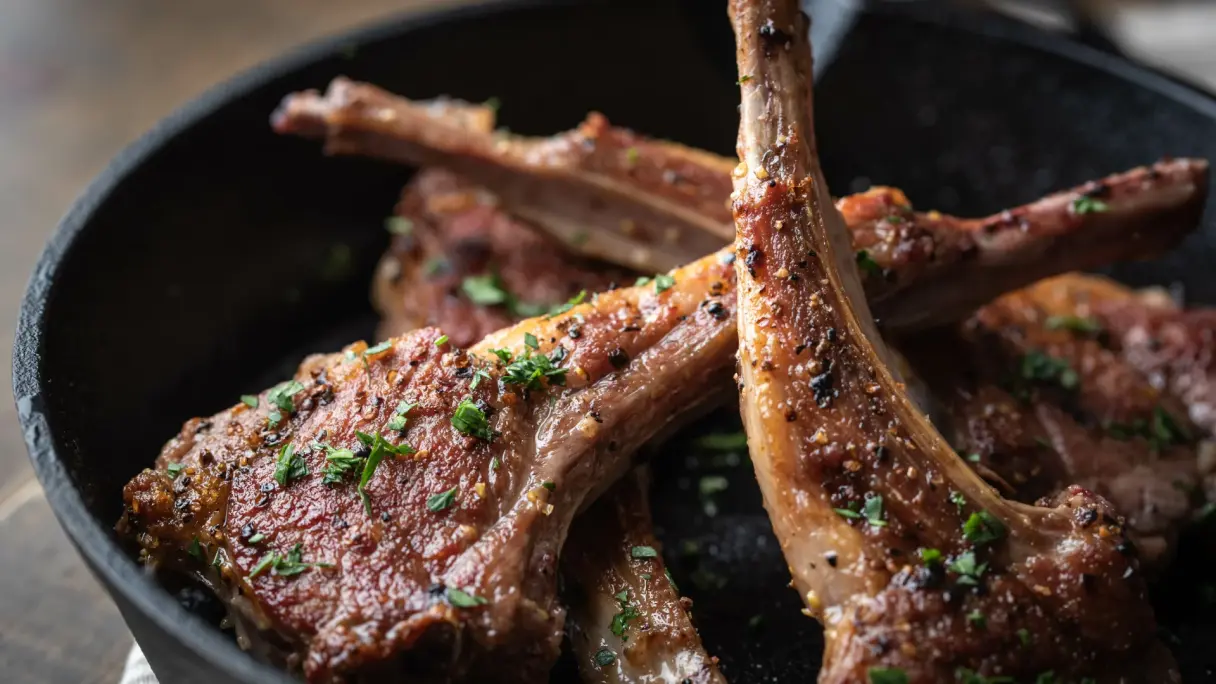
Lamb is the meat of young sheep that are under one year old – usually between four and six months. If meat is labelled as mutton, the animals were usually older, and their meat has a stronger taste of its own. A sign of good quality is an even layer of fat about 3 mm thick. If the meat is of good quality, the meat should be light to brick-red and the fat should be almost white. Make sure the meat comes from appropriately kept animals. You can taste the difference.
Apart from its exceptional taste, lamb also has significant nutritional values. Depending on the cut and how it is prepared, 100 grams of lamb contains 230 to 260 calories. The fat content varies, but in lean cuts such as the leg or fillet, it is usually between 10 and 15 grams per 100 grams. Its high protein content is worth mentioning: around 20 grams of high-quality protein per 100 grams make lamb a valuable source of essential amino acids. If you are mindful of a balanced diet, you should look for lean cuts when shopping and ensure that you use gentle cooking methods.
You shouldn’t wait too long with this, as the shelf life of lamb in a refrigerator at a normal cooling temperature of 7 °C is just one day. However, in the BioFresh Meat & Dairy safe of your Liebherr refrigerator, you can store the meat for up to eight days. This has low humidity and a temperature of just above 0 °C. Lamb can be stored in a freezer for up to ten months.
How healthy is lamb with its vitamins?
Lamb is often underestimated when considering a balanced diet. It is a type of meat that has a very good mix of micronutrients. The B vitamins it contains, especially B12, can be really important for your nervous system and cell division. Vitamin A can be beneficial for your eyesight and skin health, while small amounts of vitamin C can enhance the absorption of iron from plant-based food sources.
Lamb also contains high levels of potassium, magnesium, iron and zinc. Potassium is very important for heart function and blood pressure, while magnesium has an antispasmodic effect on muscles and zinc is involved in countless metabolic processes. The iron content of lamb is also impressive in terms of nutritional values. This is especially beneficial for people who have increased nutritional requirements.
For you to enjoy a balanced diet and the positive nutritional effect of lamb, it’s best to cook it with only a little extra fat and avoid highly processed products, such as the cured or breaded variants. In moderation and provided it comes from a good source, lamb can make a valuable contribution to your diet thanks to its nutritional value.
*All specifications given are to be considered as guideline values, and depend in each case on the type of foodstuffs and on the proper storage without interruption of the cold chain from harvest/production through to the Liebherr appliance. Should food products have information about minimum shelf life, the date on the packaging always applies.