Dates: nutritional values, calories and effects of the snack
As we all know, almost everyone likes sweets. And if they come disguised as small fruits with valuable ingredients, then it’s even better! Dates and their nutritional values are enjoying great popularity, not only in their region of origin on the Persian Gulf – they are also increasingly found as a snack in other cuisines around the world. We reveal what makes the little fruit so special.
Storage time*
| BioFresh Meat & Dairy safe just above 0 °C with low humidity | 360 days |
| Refrigerator compartment 7 °C | 310 days |
| Freezer compartment -18 °C | not recommended |
The key points
- High in calories and sweet: 100 g of dates contain about 300 kcal, mainly from sugar – they provide a quick burst of energy and are a natural alternative to sweets.
- Rich in nutrients: in addition to fiber and minerals, dates also contain valuable B vitamins and the essential amino acid tryptophan.
- Fresh vs. dried: fresh dates contain more heat-sensitive vitamins (e.g. vitamin C), while dried dates have a higher nutrient density and a longer shelf life.
- Storage and shelf life: dried dates have a significantly longer shelf life (up to 360 days in the BioFresh safe), while fresh dates will last for a week in the refrigerator if they’re tightly packed.
Origin and nutritional values of dates
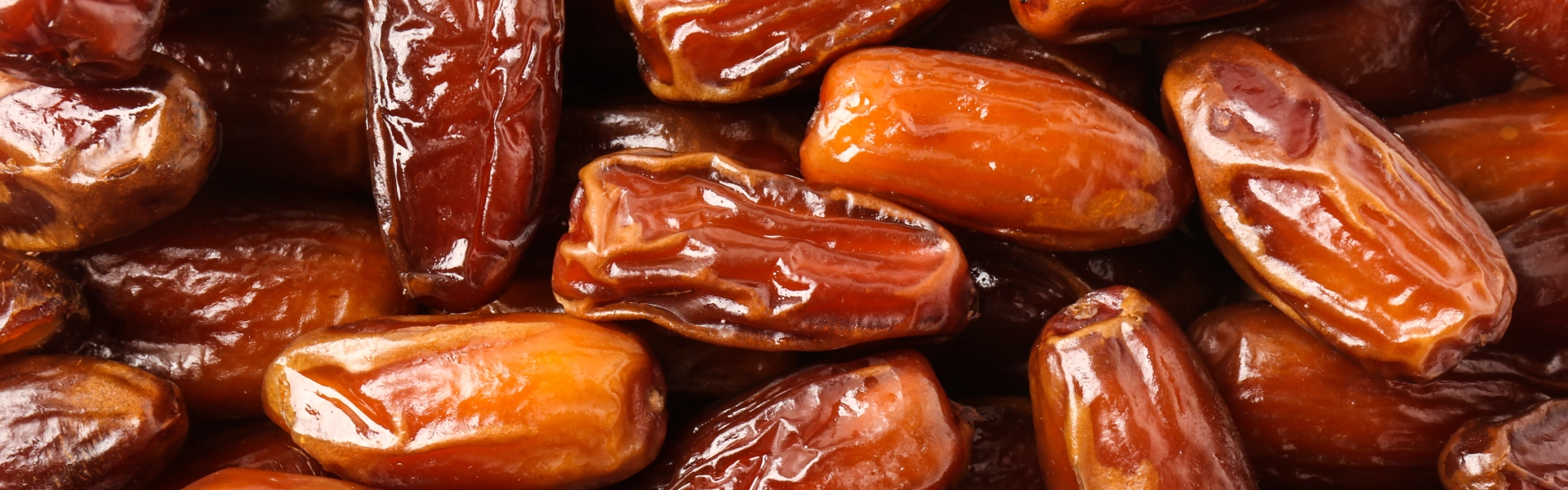
Date palms are true veterans. They have been around for at least 7,000 years and are among the oldest cultivated plants in the world. The up to 30 m tall palm tree comes from the dry, Mediterranean area around the Persian Gulf. It bears fruit over a long period of time and can even live up to 150 years. Besides their cultivation in the dry zone from Morocco to Pakistan, they are now also found in California, Mexico and Australia. Botanically speaking, the sweet fruit of the date palm are berries. There are numerous varieties. Particularly well known are the soft date Medjool and the semi-dry variety Deglet Nour. The taste of the date is highly characteristic, which is why it is so popular: honey-sweet and marzipan-like.
Just by tasting dates you can tell that they contain a high quantity of calories. The nutritional value for 100 g of dates is approximately 300 kcal. The sweet fruits contain 65 percent carbohydrates, which are predominantly sugars (glucose-fructose mixture), such as those found in honey and table sugar. But the sweet fruits are not only rich in energy; they are also a rich source of dietary fiber and minerals, as well as B vitamins (e.g. niacin and pantothenic acid). Dates also contain large amounts of the essential amino acid tryptophan, which the body is unable to produce on its own. This must therefore be supplied with food. Calcium, potassium, magnesium, iron and copper are also found in the small, sweet fruits.
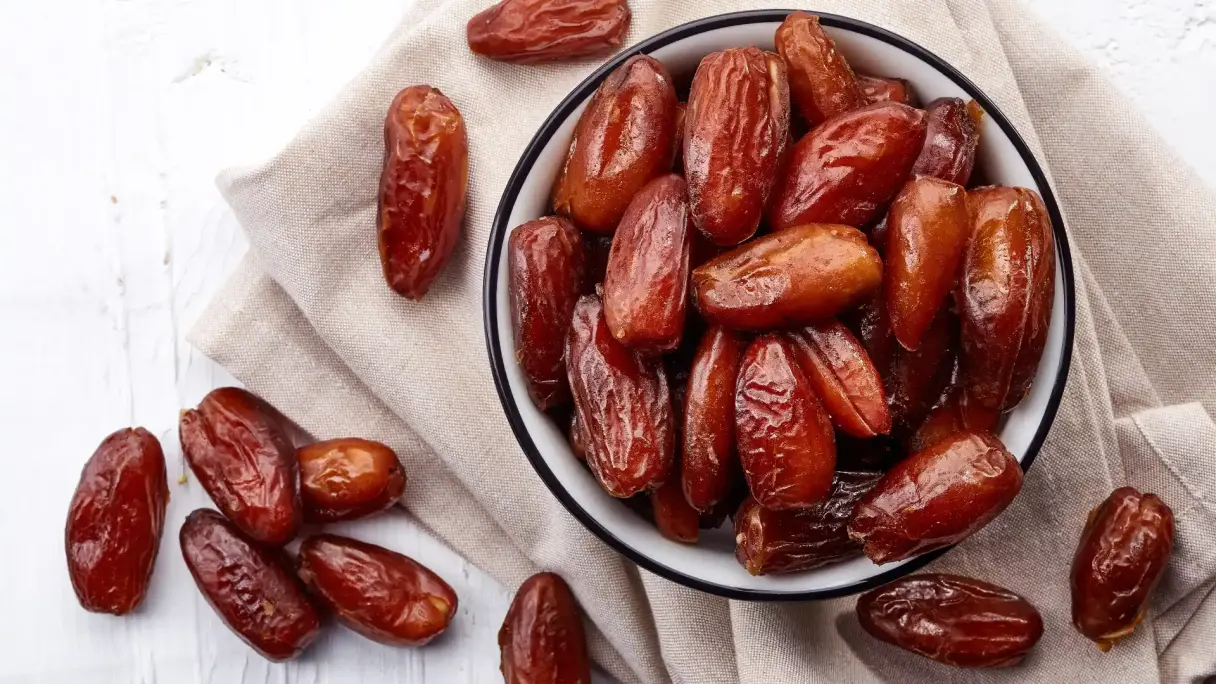
Fresh or dried dates – which contain more vitamins?
Dates are available in three different forms. The most common type on offer is the dried fruit. For this purpose, the ripe, fresh dates are dried in the sun or in the oven until they contain only about 25 percent moisture. Dried dates are very sweet, have a long shelf life and are available almost everywhere. Fresh dates, on the other hand, are rather rare. Unripe fruits are sweet and juicy. However, if the fruit is fully ripe, it is frozen after harvesting and only defrosted when it is delivered to the consumer. This means that they only keep for a few days, but retain their juicy consistency. Fresh dates are extremely sensitive.
In terms of vitamin content, fresh dates have better nutritional values because they generally contain more heat-sensitive vitamins such as vitamin C or certain B vitamins. During the drying process – especially at high temperatures – some of these vitamins are lost. However, dried dates are much more concentrated: the removal of water increases the density of minerals and energy-providing nutrients per 100 grams of dates. So if you want to get as many vitamins as possible, it’s better to choose fresh dates – if they’re available. Dried dates, on the other hand, score points with their longer shelf life and higher calorie and mineral density.
When stored at home, fresh dates keep tightly packed in the refrigerator for a week. Dried dates keep for up to 310 days in the refrigerator. In your Liebherr refrigerator with BioFresh Meat & Dairy safe, they can even be stored for up to 360 days. This freshness compartment provides optimal conditions for storing dry foods such as meat and dates. This way, your dates, with their plethora of nutritional values, will last for almost a year and you will always have a sweet snack on hand.
*All specifications given are to be considered as guideline values, and depend in each case on the type of food and on the proper storage without interruption of the cold chain from harvest/production through to the Liebherr appliance. Should food products have information about minimum shelf life, the date on the packaging always applies.