Cucumber: nutritional values, vitamins and calories of the vegetable
We love cucumbers! In any case, this creeping vine plant is a very common feature on our plates. Lots of positive effects are associated with cucumbers and their nutritional values. We reveal the nutritional values, vitamins and calories in cucumbers and whether this vegetable really is as healthy as it’s made out to be.
Storage time*
| EasyFresh safe 7 °C with air regulation plate | 12 days |
| Refrigerator compartment 7 °C | 10 days |
| Freezer compartment -18 °C | not recommended |
The key points
- Low in calories and high in water content: cucumbers are about 95% water and contain just 12-15 calories per 100 g, making them ideal for a calorie-conscious diet.
- Mild yet valuable nutrient profile: it provides vitamin K, some B vitamins, a little vitamin C and minerals such as potassium, magnesium and zinc.
- Healthy for skin and body: cucumbers have a refreshing effect, promote blood circulation, have a diuretic effect and can nourish the skin and support kidney function.
- Sensitive when stored and surrounded by other produce: cucumbers should be stored in a cool place, away from ethylene-containing fruits (e.g. apples or tomatoes), to preserve their freshness and nutrients.
Cucumber – list of contents
These nutrients and vitamins are found in cucumbers
Cucumbers are among the lowest-calorie vegetables and consist of around 95 percent water. 100 g of cucumber contains only around 12 to 15 calories, making this vegetable ideal for a calorie-conscious diet. Despite its high water content, cucumber contains a number of important nutrients. These include small amounts of fiber and traces of protein and carbohydrates. However, very little fat contributes to the nutritional values of cucumbers. In terms of vitamins, cucumbers are primarily a source of vitamin K. They also contain vitamin C, albeit only in small amounts, as well as various B vitamins such as B1, B5 and B7. Cucumbers also contain other nutrients, particularly potassium, which is important for maintaining the balance of water in the body. Other trace elements include magnesium, iron and zinc, albeit in relatively low concentrations. Cucumbers impress with their freshness, high water content and combination of easy digestibility and diverse, albeit rather subtle, nutrient profile.
However, cucumbers and their nutrients are delicate. Once harvested, it likes it not too warm and not too cold, not too damp and not too dry. And it is also quite demanding when choosing its neighbours. Cucumbers are somewhat sensitive to cold and will keep in the refrigerator for about ten days. In the EasyFresh safe of your Liebherr refrigerator, however, they can stay crisp and fresh for up to 12 days. Once cut open, it’s best to place your cucumber in a sealable food storage container so you can enjoy its nutritional benefits for longer. Caution is also advised when there are other vegetables nearby: cucumbers are very sensitive to the ripening gas ethylene. Therefore do not keep them next to tomatoes, apples, kiwi fruits and other fruit and vegetables which emit ethylene.
Cucumbers are so healthy
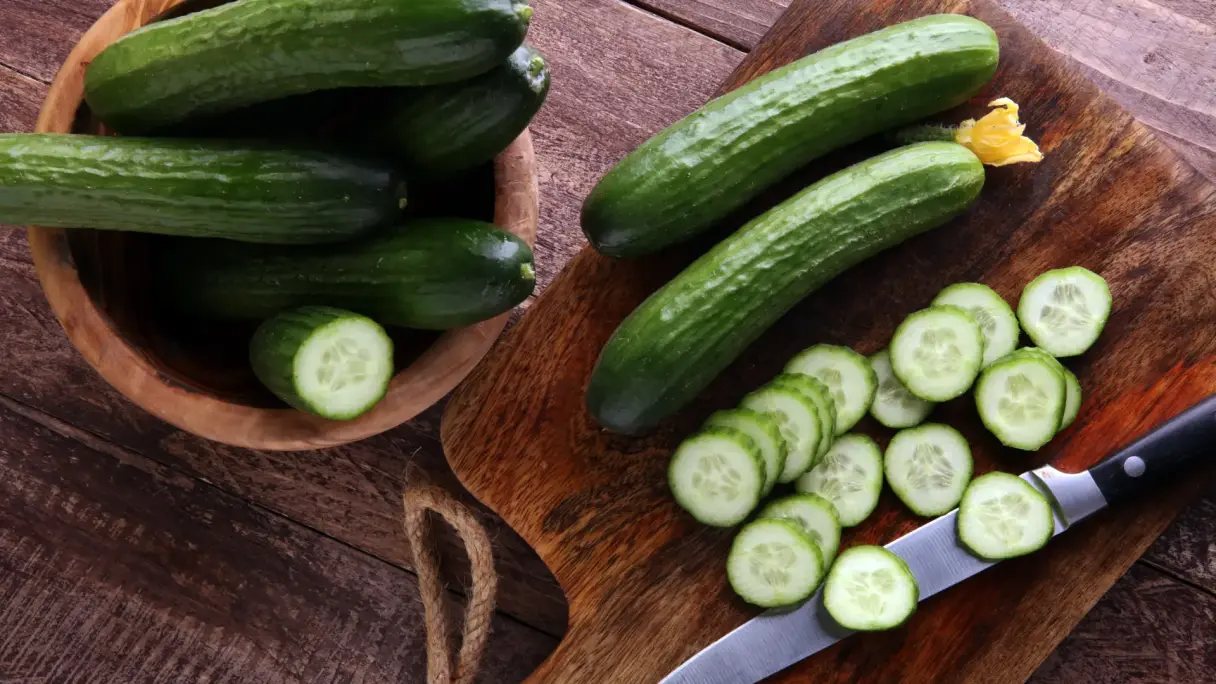
Cucumber is not only a popular vegetable, but also a genuine natural remedy with a wide range of effects. It has been prized as a remedy and beauty product for centuries. It’s particularly well known for its refreshing effect on the skin – for example in the form of cucumber slices placed on the eyes, which are said to reduce puffiness and signs of fatigue thanks to their circulation-promoting properties. Cucumber is said to have a firming and hydrating effect. Cucumber also has positive effects when it’s used internally: it has a diuretic effect and can help flush urea out of the body. Eating cucumbers can therefore be healthy and support kidney function.
However, caution should be exercised when consuming cucumbers if they taste unusually bitter. This is due to cucurbitacins, bitter compounds that are found in wild cucumbers and their relatives such as courgettes and pumpkins. Although they have been largely bred out, bitter specimens can still occur in isolated cases. In such cases, peel the cucumber from the base of the flower – if it still tastes bitter, it’s best not to eat it. Otherwise, cucumbers are a tasty, low-calorie vegetable with beneficial nutritional values that can be easily integrated into a balanced diet.
*All specifications given are to be considered as guideline values, and depend in each case on the type of foodstuffs and on the proper storage without interruption of the cold chain from harvest/production through to the Liebherr appliance. Should food products have information about minimum shelf life, the date on the packaging always applies.