Cress – which vitamins make this plant so healthy?
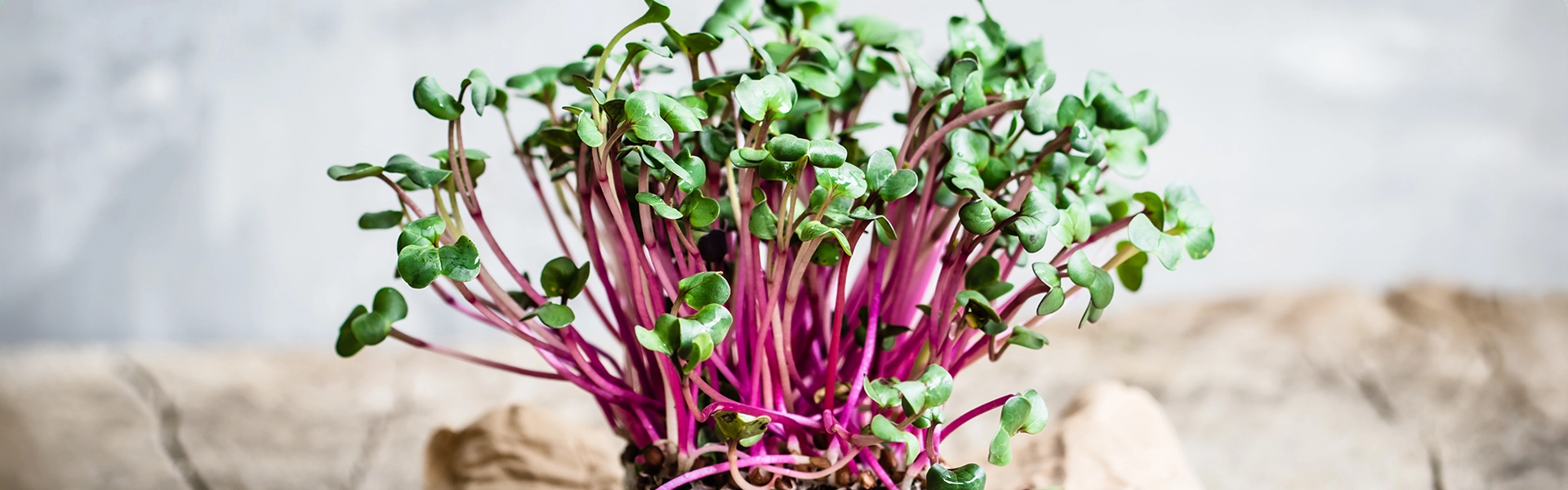
Cress is not only a spicy and healthy addition to salads and main dishes, but also a true superfood packed with vitamins and nutrients. This uncomplicated plant provides many valuable ingredients that can have a positive effect on health. Here you can find out everything about the vitamins in cress, its nutritional values and health benefits.
Storage time*
| BioFresh Fruit & Vegetable safe just above 0 °C with high humidity | 7 days |
| EasyFresh safe 7 °C with air regulation plate | 2 days |
| Refrigerator compartment 7 °C | 1 day |
| Freezer compartment -18 °C | 12 months |
The key points
- Rich in vitamins: cress contains lots of vitamin C as well as vitamin A and vitamin E.
- Important nutrients: cress provides folic acid, iron and potassium.
- Health benefits: cress has anti-inflammatory properties, aids digestion and can help alleviate bladder and urinary tract disorders.
What vitamins does cress contain?
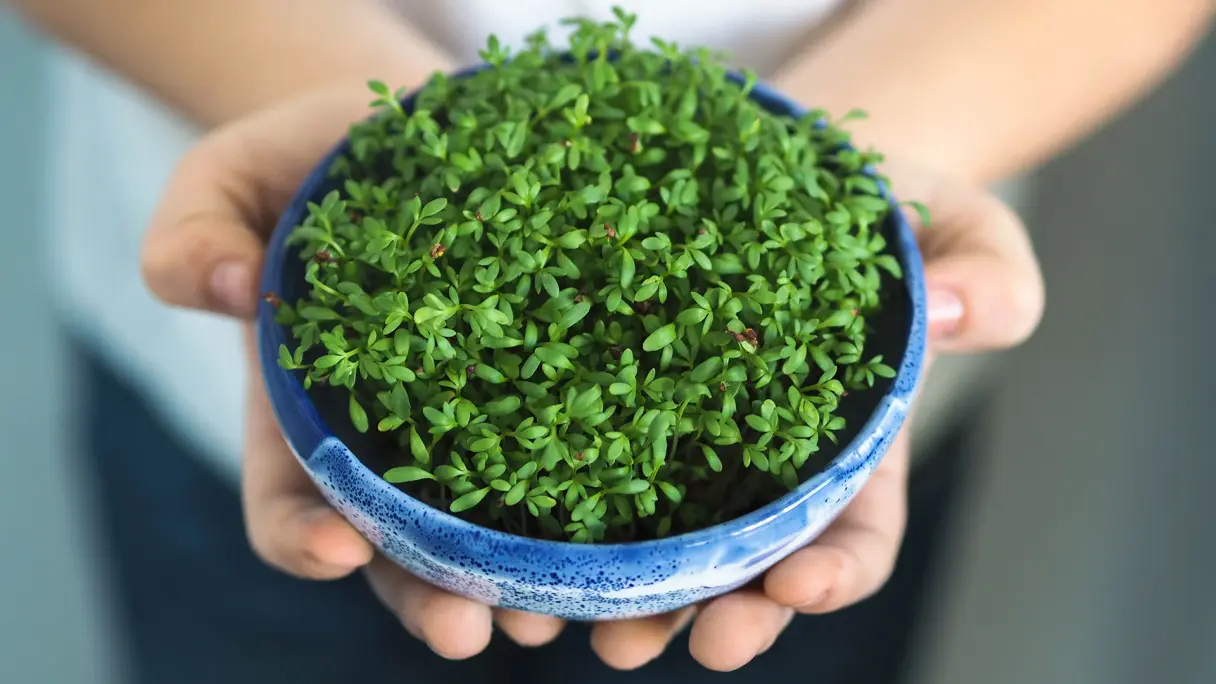
Cress is a real vitamin bomb, especially in the cold months. It contains high amounts of vitamin C, which strengthens the immune system and protects the body from colds. Just a few leaves of cress per day can make a significant contribution to your daily vitamin C intake.
In addition to vitamin C, cress also contains vitamin A, which is important for healthy skin and eyes, and vitamin E, which acts as an antioxidant and protects cells from harmful free radicals. These vitamins make cress a valuable food that supports the immune system and ensures radiant skin.
Cress is not only rich in vitamins, but also contains important nutrients such as folic acid, which plays a crucial role in cell division. The iron contained in cress supports oxygen transport in the blood and helps prevent iron deficiency. Potassium is also a valuable component, as it helps regulate blood pressure and strengthen the cardiovascular system.
Cress also provides magnesium, which is necessary for muscle function, and calcium, which promotes healthy bones and teeth and supports their development.
How is cress used for a healthy diet?
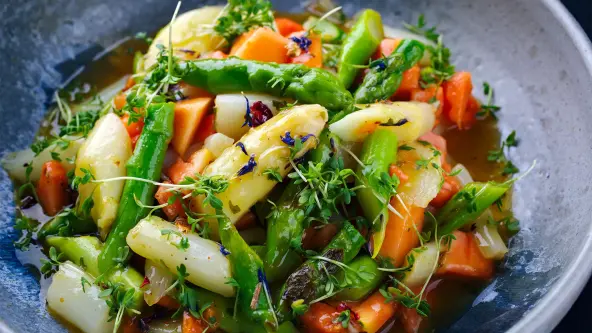
Cress is very versatile in the kitchen. The fresh, aromatic leaves are ideal as an ingredient in salads, quark and egg dishes, but also in fish and meat dishes. Cress goes particularly well with dishes that require a little spice or freshness.
Cress is best used raw, as heating causes some of its valuable nutrients to be lost and the leaves become bitter. It tastes fresh and aromatic, especially in salads or as a garnish on bread. Cress can also add an interesting touch to smoothies while increasing their nutrient density.
To keep it fresh, cress should be stored in a cool place such as the Liebherr BioFresh Fruit & Vegetable safe after cutting. Thanks to optimized humidity and a temperature of just above 0 °C, it will stay fresh for up to seven days. Uncut cress will also keep for several days if stored in an airtight container in the refrigerator.
It is important not to wash the cress before storing it, as excess moisture can promote mould growth. Wash the cress just before eating to preserve its freshness and nutrients.
*All specifications given are to be considered as guideline values, and depend in each case on the type of food and on the proper storage without interruption of the cold chain from harvest/production through to the Liebherr appliance. Should food products have information about minimum shelf life, the date on the packaging always applies.