Amaranth: seeds full of nutritional values
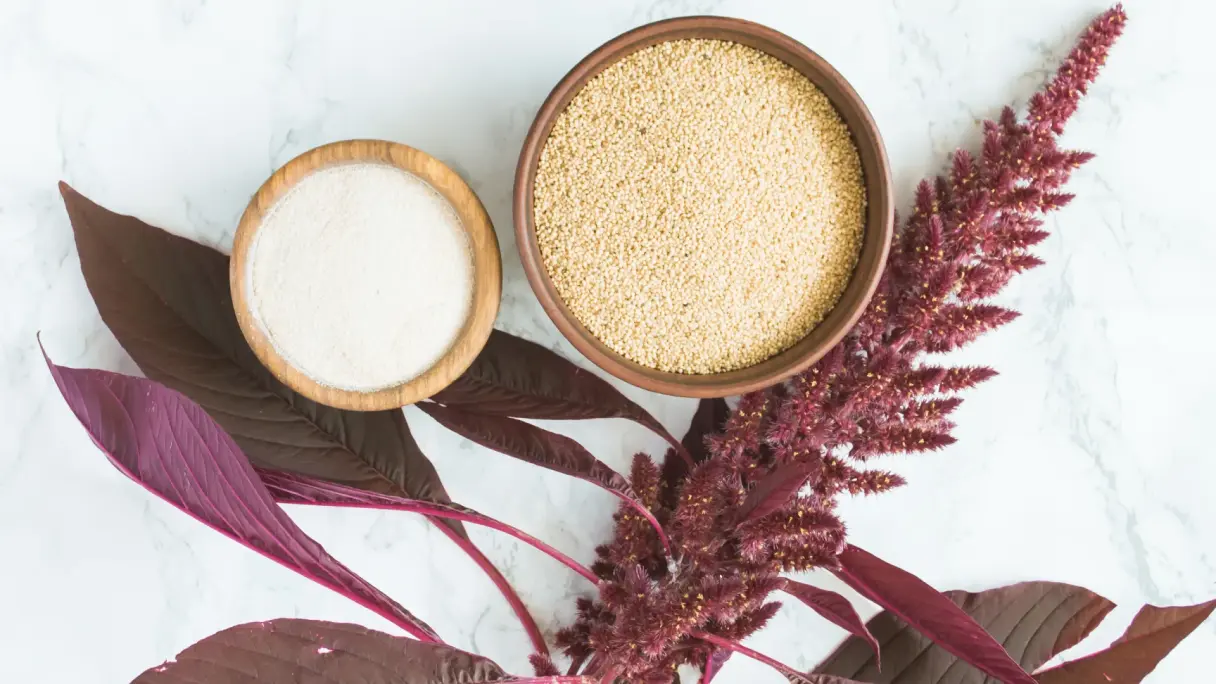
The pseudocereal amaranth is slowly but surely finding its way into conventional supermarkets. The time-honoured crop with colorful purple flowers is not only nutritionally versatile, but can also be used as an alternative for various cereals. Read on to find out which nutritional values make amaranth a true power grain.
The key points
- Amaranth is a nutrient-rich pseudocereal that originates from South America – it was a staple food of the Incas and Aztecs.
- It contains lots of protein, including the essential amino acid lysine, as well as high-quality unsaturated fatty acids and important minerals such as iron, magnesium and calcium.
- Gluten-free with a range of uses – e.g. as a side dish, in muesli or as a dessert.
- Storing when cooked: in a closed container in the fridge.
- Amaranth is not recommended for small children because it contains antinutrients such as saponins and tannins.
Amaranth – used by indigenous peoples in South America
The origins of amaranth date back around 5,000 years. In South America, it was one of the staple foods of the Aztec, Inca and Maya people. From there, this miracle grain spread out and is now a cultivated crop that’s well known and used all over the world. There are almost seventy different varieties of amaranth. The amaranthaceae plant has even more to offer. Not only is the grain edible, but the leaves of each variety also make a delicious vegetable. In terms of taste, the leaves resemble chard or spinach.
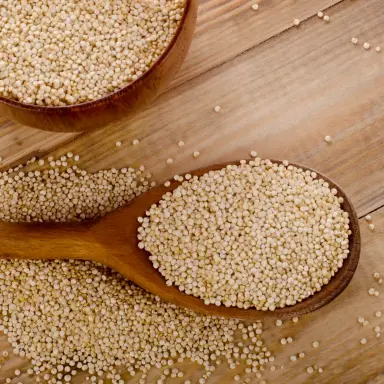
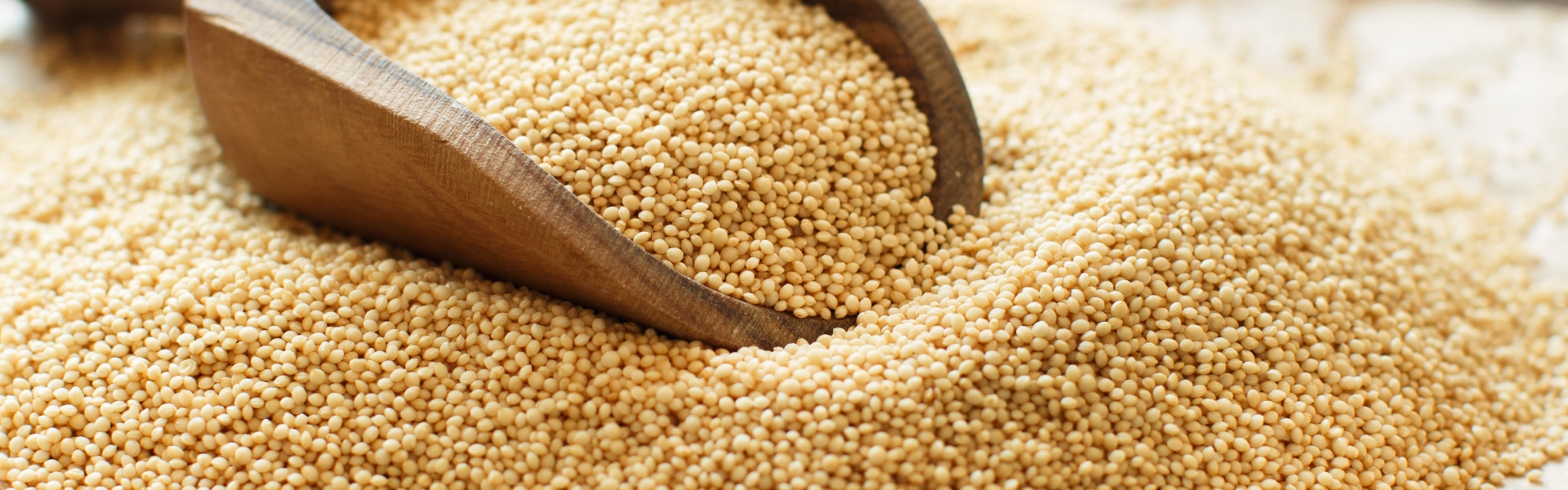
The small seeds look a lot like millet seeds. In terms of taste, the grain impresses with a slightly nutty and cereal-like flavor.
Amaranth and its nutritional values for the body
In terms of its macronutrient values, amaranth has an impressive protein content, which at around 14 grams per 100 grams is even higher than that of wheat. While all standard cereals lack the essential amino acid lysine, amaranth proudly boasts it. This means combining amaranth with other cereals helps achieve a high biological value.
Amaranth’s fats are also of a high quality! The predominantly unsaturated fatty acids of the amaranth seeds also have antioxidant properties. In terms of micronutrients, it is also packed with minerals including phosphorus, magnesium, calcium and iron. Amaranth is also a great source of dietary digestive fibre and, in this sense, is comparable in terms of content with wheat. So amaranth contains lots of healthy nutrients and around 370 calories per 100 grams.
However, the power grain also contains small amounts of saponins and tannins. In human nutrition, these belong to the “antinutrients”, which have a negative effect on the human digestive system. Saponins cause red blood cells to break down, while tannins can impede the absorption of nutrients. The German Nutrition Society (DGE) advises parents not to include the pseudocereal in the diet of young children because of the aforementioned antinutrients.
Amaranth: its effect makes it multi-talented in the kitchen
The grain contains no gluten and is therefore a valuable alternative to conventional cereals. People affected by celiac disease or who have an intolerance to gluten can enjoy this nutrient-rich pseudocereal without worrying. Amaranth is only suitable for baking to a limited extent as the lack of gluten means that the dough does not stick together.
You can cook amaranth in a similar way to rice. It is helpful to wash and soak the seeds beforehand, as this allows the antinutrients mentioned above to pass more easily into the water when the grain is cooked. Using double the amount of water, cook the seeds for about half an hour on a low heat until tender. Let the seeds soak for another ten minutes, then they’ll be ready to serve. If you’d prefer a warm dessert, you can also cook the amaranth seeds in milk and sweeten with maple syrup, for example.
Amaranth should be stored like grain in an air-tight, dry container at room temperature and ideally in a dark place. Amaranth that’s already been cooked should be stored in a well-sealed container in the fridge and consumed within 2–3 days.