
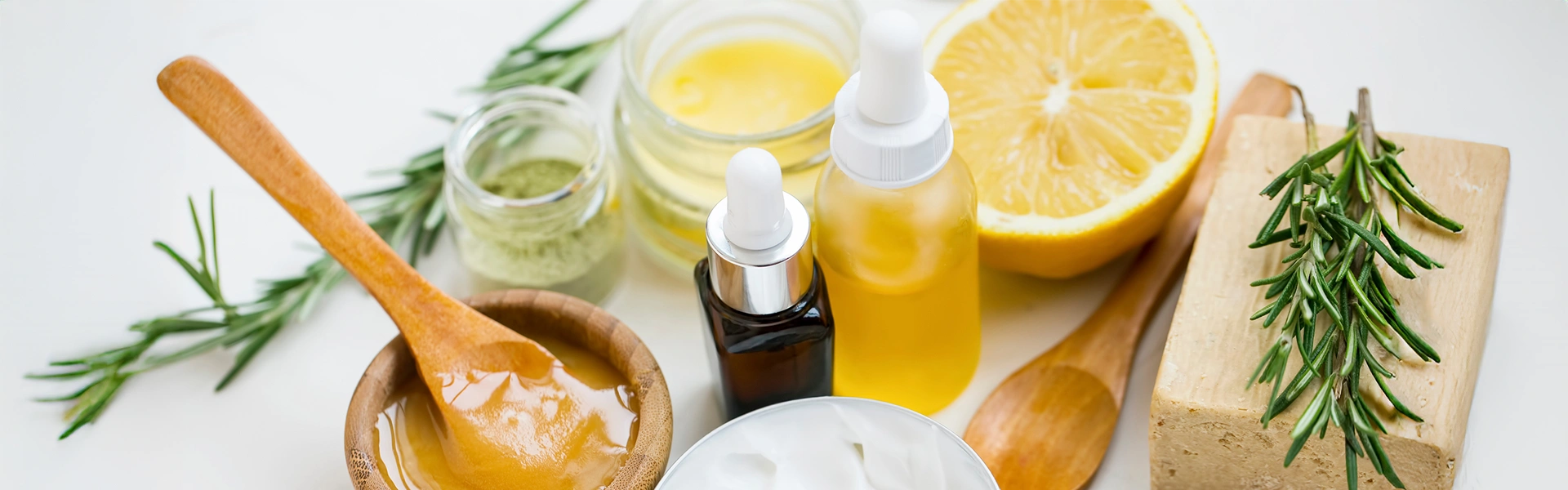
Make your own natural cosmetics for a natural care regime
Have you ever wondered how you can make your skin and hair care more durable and healthier? By making your own natural cosmetics and storing them in a cool place, you have control over the ingredients and ensure that valuable nutrients are preserved for longer. Find out here which ingredients are suitable for producing cosmetics and what the advantages are of doing this yourself.
The key points
- Making your own natural cosmetics is an environmentally friendly alternative to conventional cosmetics.
- No harmful ingredients such as fragrances, paraffins or microplastics.
- Easy to make with just a few natural ingredients from your kitchen and pantry.
- Protecting the environment through less packaging waste and sustainable ingredients.
- Optimal storage ensures the freshness of ingredients and finished products.
Make your own natural cosmetics – list of contents
Why make natural cosmetics yourself?
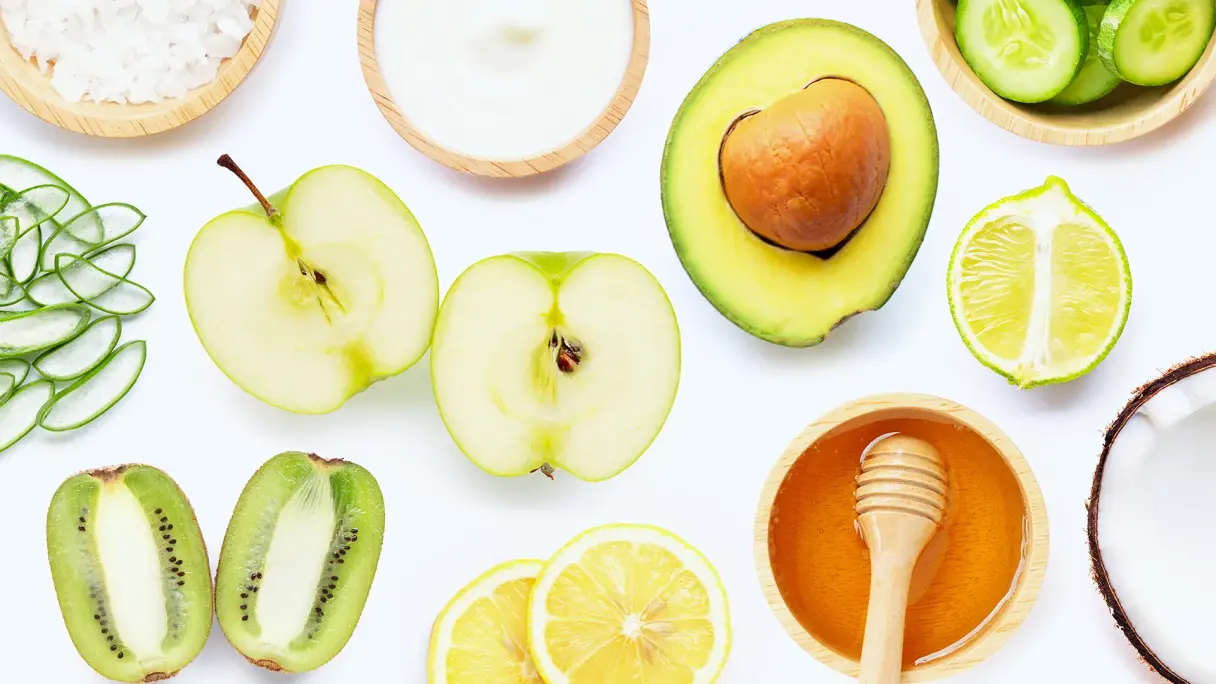
Turning food into cosmetics? This might sound unusual and time-consuming at first. But most products can be made in just a few steps. And the benefit is that we know exactly what they contain, and they care for skin and hair just as well as expensive products from the chemist. There's no need for us to worry about dubious additives, and animal testing is ruled out. And don't forget, it protects the environment. Natural care is also ideal for allergy sufferers, provided that the right foods are used.
Proper storage is crucial to ensure that homemade cosmetics made from food ingredients can deliver their full skincare benefits. Fresh ingredients such as fruit, vegetables, oils and dairy products must be stored in a cool and hygienic place. High-quality Liebherr refrigerators provide the perfect conditions for this: features such as the Fruit & Vegetable safe protect delicate foods such as lettuce and strawberries, while BioFresh ensures that food stays fresh for longer thanks to an ideal combination of humidity and temperature.
Cosmetics made from food – in a nutshell!
- Natural ingredients: no harmful additives, fragrances or paraffins
- Skin and hair care: as rich and effective as drugstore products
- Environmentally friendly: no microplastics, less packaging waste
- Correct storage: cool and hygienic for maximum freshness
Cosmetics refrigerator How to store your homemade products
Once you have tried out a cosmetic recipe, the question arises as to where best to store the products. If you place the products in the bathroom at room temperature, the natural ingredients will react with each other very quickly and therefore just keep for a few days. However, if you store the products in a refrigerator, the hair and face masks will last at least twice as long. Some products are even suitable for freezing and remain fresh for weeks.
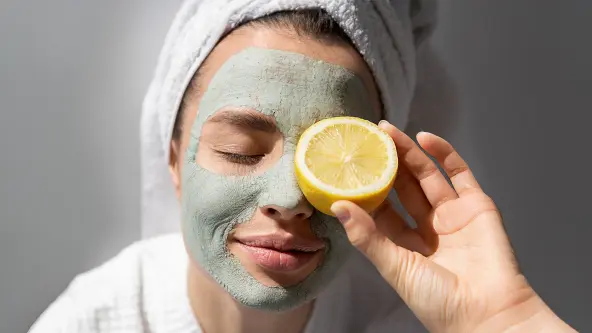
Make your own cosmetics – DIY straight from nature!
We recommend the vegan lemon mask especially for oily skin, as it provides a pleasant freshness boost! For this, mix a little fresh lemon juice with fresh yeast into a smooth mixture and then apply to the skin for 10–15 minutes.
Another recipe for skin care is a face mask using healing clay and carrots. Its purpose is to clean our skin and shrink the pores. For this, grate a carrot as finely as possible. Mix 3 tablespoons of this with 1 teaspoon of oil and 2 tablespoons of healing clay, apply and wash off after 15 minutes.
But it's not just the skin which can be pampered with ingredients from your home, here's a recipe for a hair mask that is a genuine protein treatment. Simply mix 150 g natural yoghurt, 1 egg, 2 tablespoons of jojoba oil, 1 teaspoon of honey and 2 drops of wheatgerm oil and heat everything briefly in a bain-marie. Then apply everything to the damp ends of your hair and wrap your hair in a towel for 15 minutes. Finally, wash with shampoo.
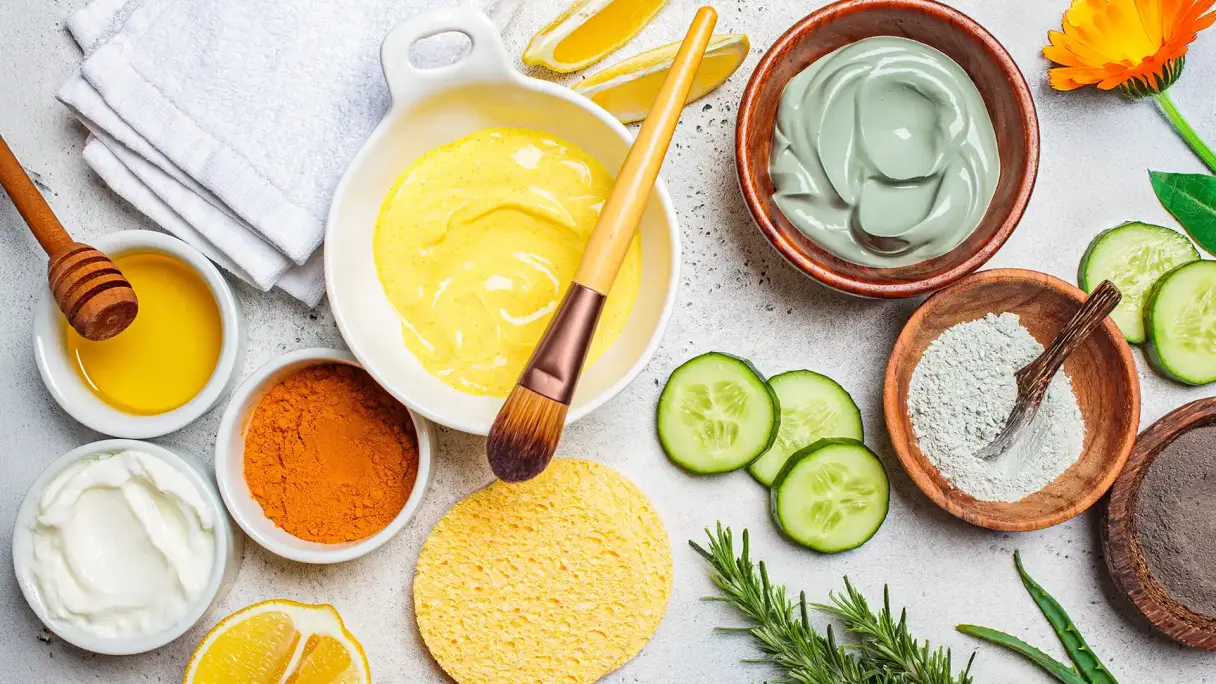
FAQ: make your own natural cosmetics
To make your own natural cosmetics, you only need a few fresh ingredients such as oils, herbs, fruit, vegetables or dairy products. Depending on the recipe, natural binding agents such as beeswax or clay may also be added. Clean containers, hygienic working practices and correct storage are also important to ensure shelf life.
Choose natural ingredients that suit your skin type and mix them according to simple recipes to make creams, masks or exfoliants. For example, a mixture of yoghurt and honey provides moisture, while lemon juice and sugar serve as a gentle exfoliant. Store your products in the refrigerator to preserve their freshness.
Homemade natural cosmetics are free from harmful additives, are kind to the environment and are often cheaper than shop-bought products. What’s more, you can tailor the ingredients to suit your individual needs and know exactly what you are putting on your skin. This makes them a gentle and safe alternative, especially for people with allergies or sensitive skin.
This might also interest you
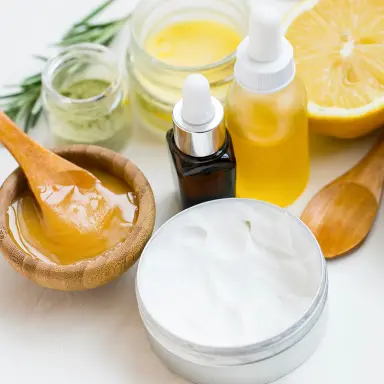
Make your own natural cosmetics for a natural care regime
Care products without any artificial ingredients or unnecessary packaging waste? We’ll show you how you can make your own natural cosmetics and keep them suitably chilled.
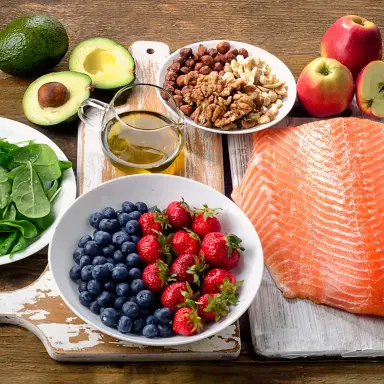
The top 10 foods for healthy skin
From avocados and sweet potatoes to salmon, find out which foods and their nutrients protect and regenerate your skin. Read on to find out.
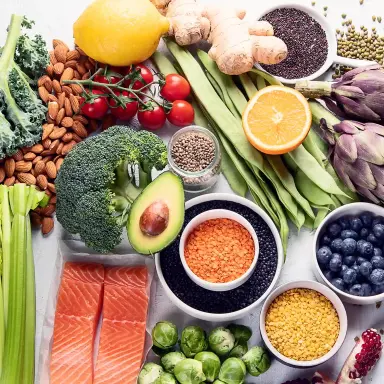
Energizing nutrition – energetic throughout the day
Start the day full of energy and stay energetic all day long – with energizing nutrition. Read on to find out.