How long will eggs last in the fridge?
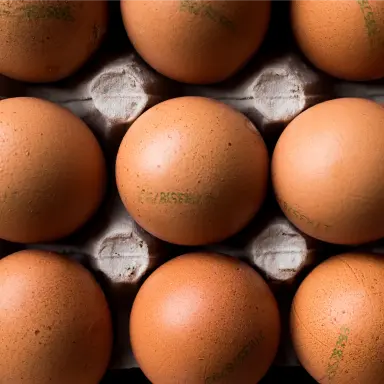
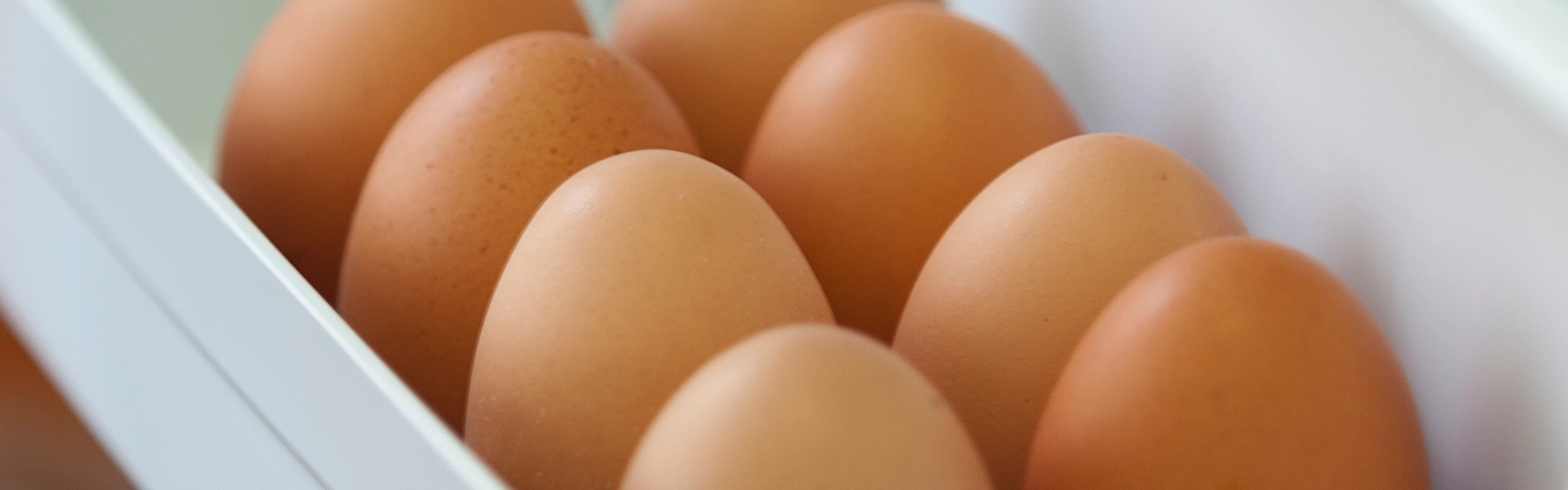
Eggs – these oval protein bombs adorn our menus in the form of scrambled eggs, omelettes, fried eggs, boiled eggs or as extravagant poached eggs. However, there are a few questions surrounding the shelf life and storage of eggs. In this article, you will learn how to store eggs correctly. And how long eggs can be kept in the fridge.
The key points
- Raw eggs can be stored in the fridge for up to 15 days.
- Raw eggs can be stored for up to 45 days in the Meat & Dairy safe of a Liebherr BioFresh fridge.
- Boiled eggs can be kept in the fridge for about a week
- Boiled eggs can be stored in the Meat & Dairy safe for two weeks
- In principle, you can store raw eggs at room temperature
- Due to temperature fluctuations, storage in the fridge is safer
- Eggs should be stored in the fridge at a maximum temperature of 7 °C
- Store eggs as low down in the fridge as possible
Store and keep eggs correctly
Can eggs be stored at room temperature?
In principle, you can store raw eggs at room temperature for up to 20 days. However, shortly before the best-before date (BBD) is reached, you should place the protein-rich eggs in the fridge. Eggs stored at room temperature should generally only be consumed after being heated to a high temperature (at least 70 degrees).
Due to the increased temperatures, it is not recommended to store eggs at room temperature, especially in summer. This is because it exposes the eggs to temperature fluctuations. It is best to store eggs in the fridge from the outset. This reduces the risk of salmonella infection.
How long will eggs last in the fridge?
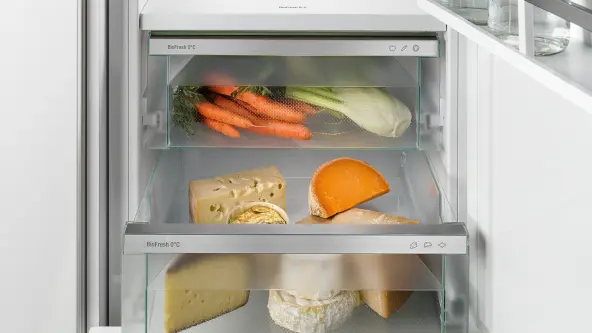
Raw eggs can be stored in the normal fridge compartment for up to 15 days. Raw eggs can even be stored for up to 45 days in the Meat & Dairy safe of a Liebherr BioFresh fridge. You can store boiled eggs in the fridge compartment for about a week. Boiled eggs can be stored in the Meat & Dairy safe for two weeks.
Where to keep eggs in the fridge?
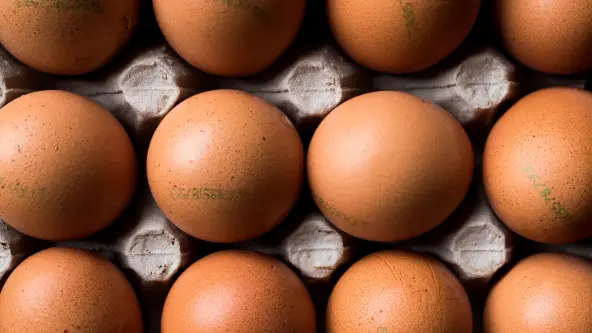
Eggs should be kept in the fridge at a maximum temperature of 7°C. If you have a normal fridge without a BioFresh safe, store them as low down as possible.
Once eggs are in the fridge, they should be kept there until consumption. The eggshell has a natural protective layer called the cuticle. When the egg is stored again at room temperature, the cuticle loses its function. As the temperature drops, condensation forms, making the cuticle porous and therefore more permeable to pathogens.
Storing eggs in the fridge door is therefore only advisable to a limited extent. This is because the constant opening of the door causes temperature fluctuations.
Egg storage summary:
- keep eggs in the fridge. High temperatures can promote the growth of salmonella, especially in summer.
- Eggs stored at room temperature should only be consumed after being heated to over 70 °C.
- Store eggs in the fridge in the colder compartments. Frequently opening the fridge door causes temperature fluctuations.
- Temperature fluctuations cause the natural protective layer in the egg to become ineffective and permeable to pathogens.
- Eggs stored in the fridge should therefore no longer be kept at room temperature.
Shelf life of eggs
How long do eggs keep and what factors are important? The best-before date is always shown on the eggbox. Eggs can generally be kept for at least 28 days after they are laid. However, when stored properly, you can still consume them after this period.
Generally speaking, buy and consume eggs when they are freshest. If you are using raw eggs (for tiramisu or mayonnaise), they should not be more than 18 days old. After preparation, they must be stored in a cool place. They should be consumed no later than two days after preparation.
Why is it so important to pay attention to the shelf life of eggs?
- Salmonella can accumulate on the eggshell in the chicken coop, so wash your hands after handling eggs.
- Salmonella are bacteria that can cause severe gastrointestinal infections.
- The growth of salmonella is restricted below 6 °C. Heating to above 70 °C kills the bacteria.
- Pregnant women, breastfeeding women, elderly people with compromised immune systems and young children should only eat eggs that have been thoroughly cooked.
- Check whether the eggshell is damaged. In case of small cracks or holes: heat immediately and consume! Otherwise, you should dispose of the eggs in the organic waste bin.
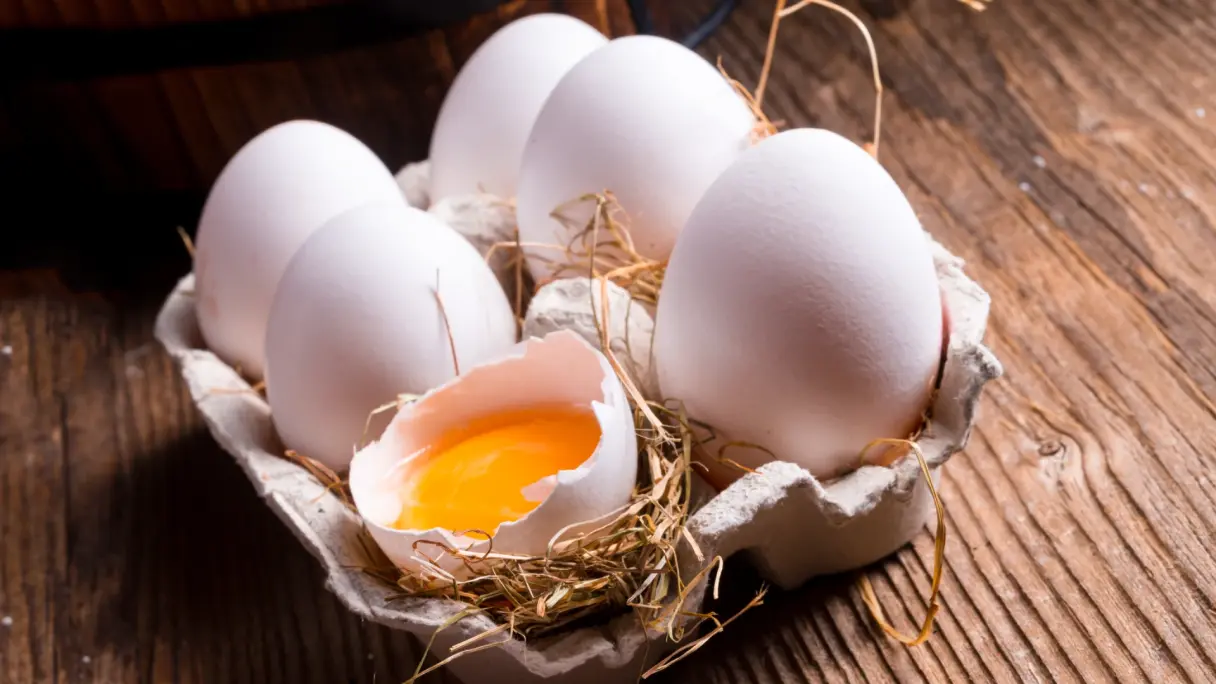
Eggs contain many important nutrients.
Eggs are a popular accompaniment – whether on toast at breakfast time or as a delicious source of protein for lunch or dinner. Thanks to their high protein content, they quickly help you feel full for a long time.
They are a good source of many important nutrients, including folic acid and vitamins A, D, E, K and B2. They also contain minerals such as calcium, iron and phosphorus.
Tips for using eggshells after storage
And here are two tips for recycling eggshells:
eggshells are full of calcium and are alkaline, meaning they have a high pH value. These properties make them particularly suitable for fertilising plants. To do this, wash the eggshells thoroughly with warm water and a drop of washing-up liquid. Then crumble the shells into as small pieces as possible – and your organic fertiliser is ready!
The eggshell can also be used as a decorative candle! Whole or half shells are suitable for this purpose, but you should wash them thoroughly first. Now it’s time to get creative!
You can paint the shells with acrylic paints and leave them to dry. Cut a piece of wick and hold it in the eggshell. Now simply pour hot wax over it and wait until everything has cooled down.